

This guide illuminated the profound interconnection between craft, sustainability, and cultural memory. Learning how Wajima lacquerware embodies circular beauty—designed for repair across generations—reshaped my understanding of luxury beyond consumption. The meticulous attention to kaiseki's seasonal rhythms and the artisan lineages preserving regional techniques reveal food and craft as living archives. What struck me most was recognizing how Japan's "aesthetics of subtraction" offers not nostalgia but a viable model for sustainable contemporary living, where restraint becomes sophistication and inheritance fuels innovation.
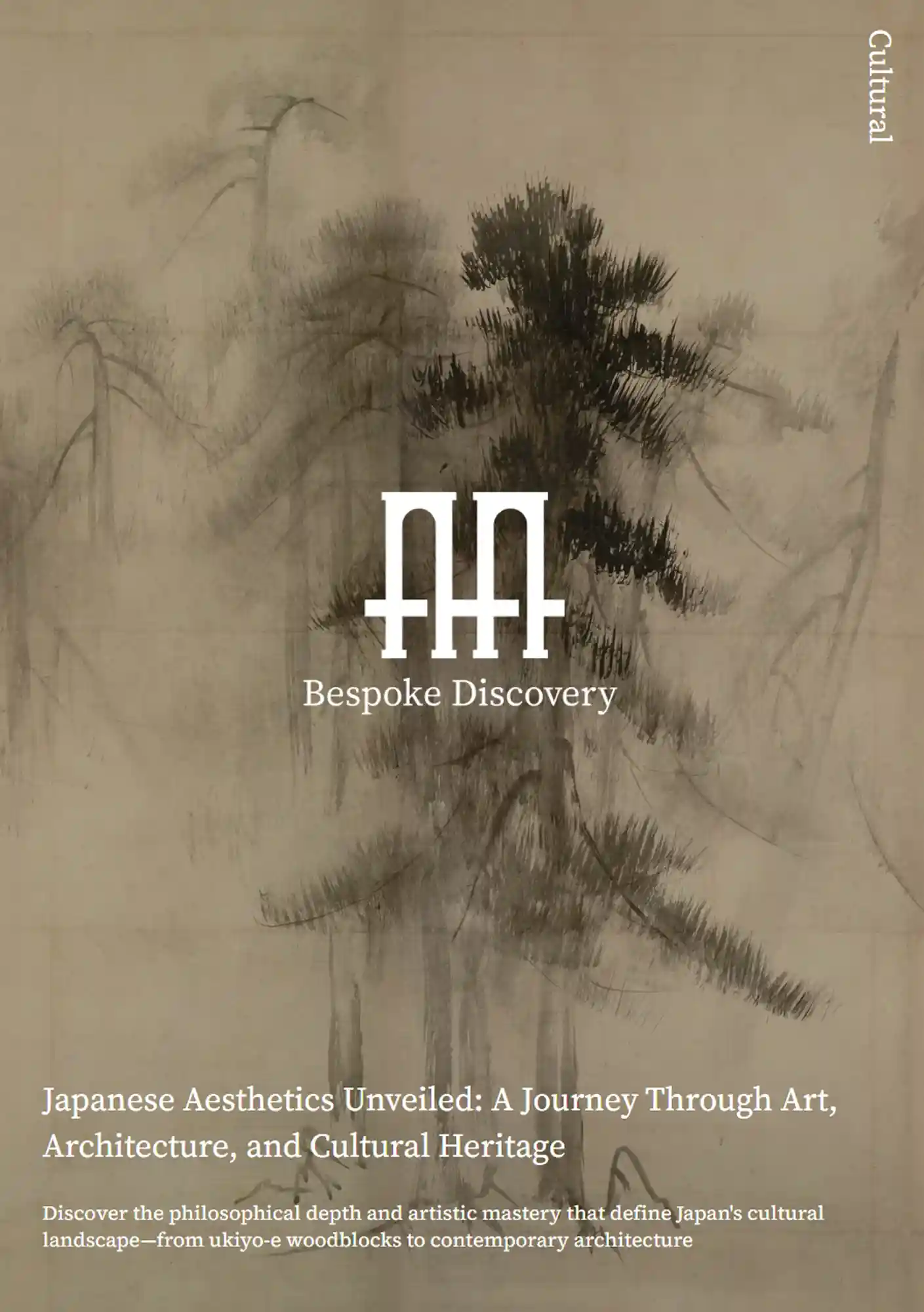
Japanese Aesthetics Unveiled: A Journey Through Art, Architecture, and Cultural Heritage
Art
Museum
Architecture
Japanese aesthetics unite tradition and innovation through principles of wabi-sabi, ma, and seasonal awareness. This guide explores how these concepts shape art, architecture, and daily life—from Hokusai's ukiyo-e to Ando's museums, tea ceremonies to Art Islands. Encounter a landscape where restraint reveals power and imperfection becomes beauty, where craftsmen preserve techniques.
Experiences You’ll Get from This Guide
Understanding Japanese aesthetics means grasping philosophical foundations across art forms. This guide illuminates core principles—beauty in simplicity, honoring empty space, celebrating seasons—through ukiyo-e, architecture, crafts, cuisine. Explore how historical wisdom influences modern design, why imperfection holds value, how artisans maintain skills across time.
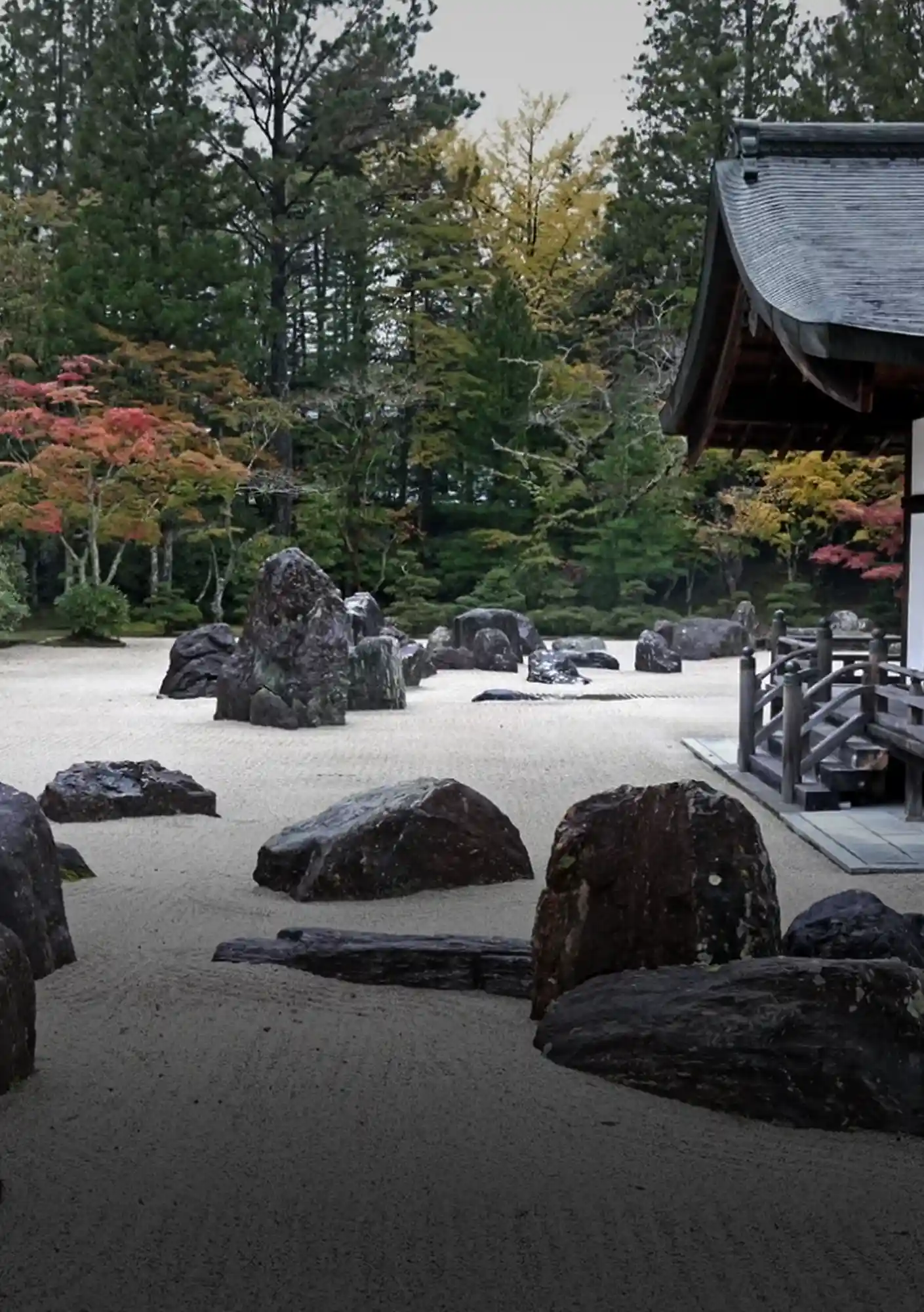
The Philosophy of Empty Space
Karesansui gardens use stone and sand to express vast landscapes through minimal elements. This aesthetic of subtraction invites contemplation, where carefully raked patterns and positioned rocks create mountains and oceans in the mind's eye—demonstrating how Japanese design finds infinite meaning within deliberate restraint.
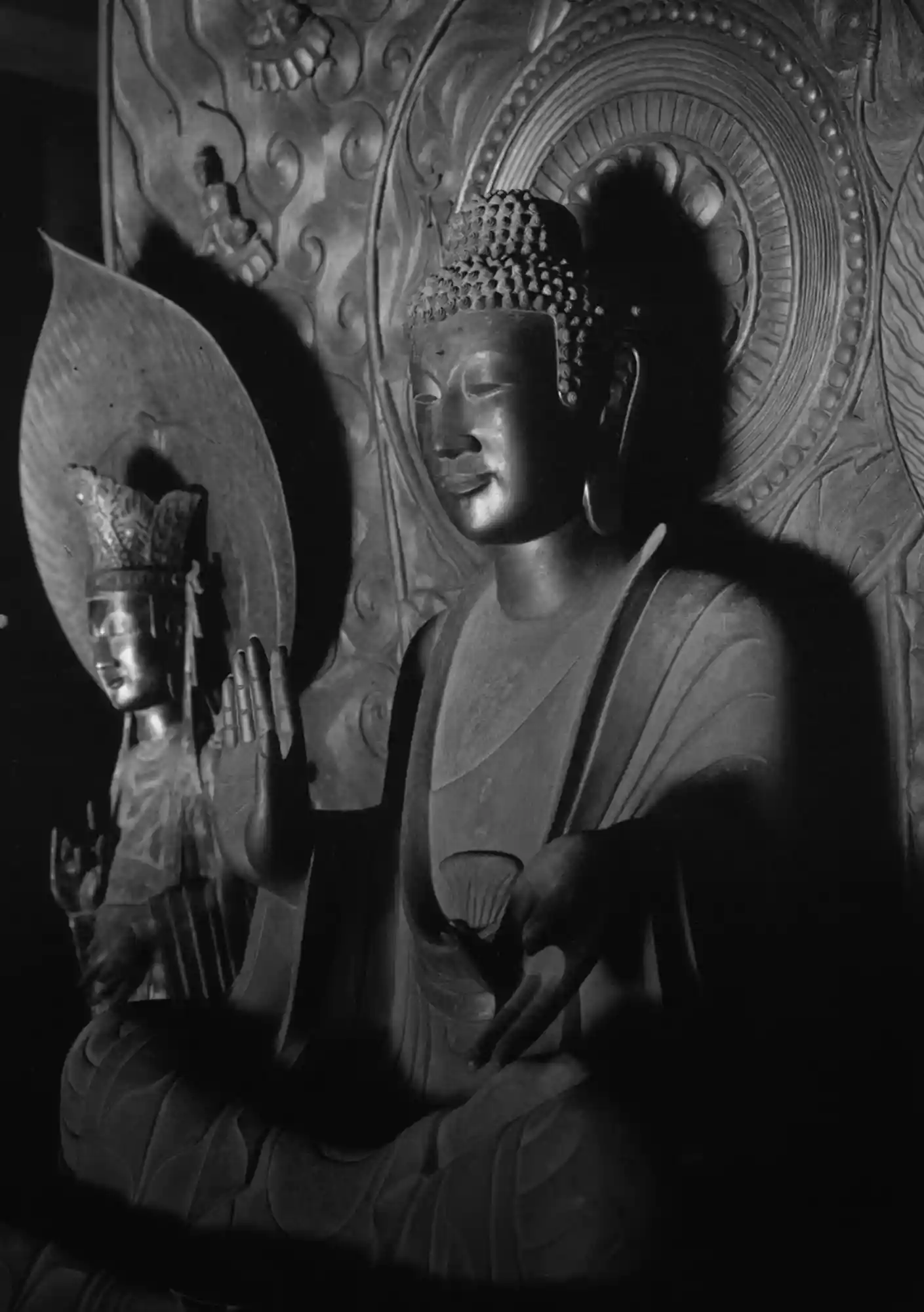
Sacred Art and Spiritual Beauty
Temple sculptures embody centuries of spiritual devotion translated into artistic form. The serene expressions and intricate craftsmanship reflect how Japanese sacred traditions merge aesthetic refinement with religious practice, creating spaces where beauty serves as pathway to contemplation and inner peace.
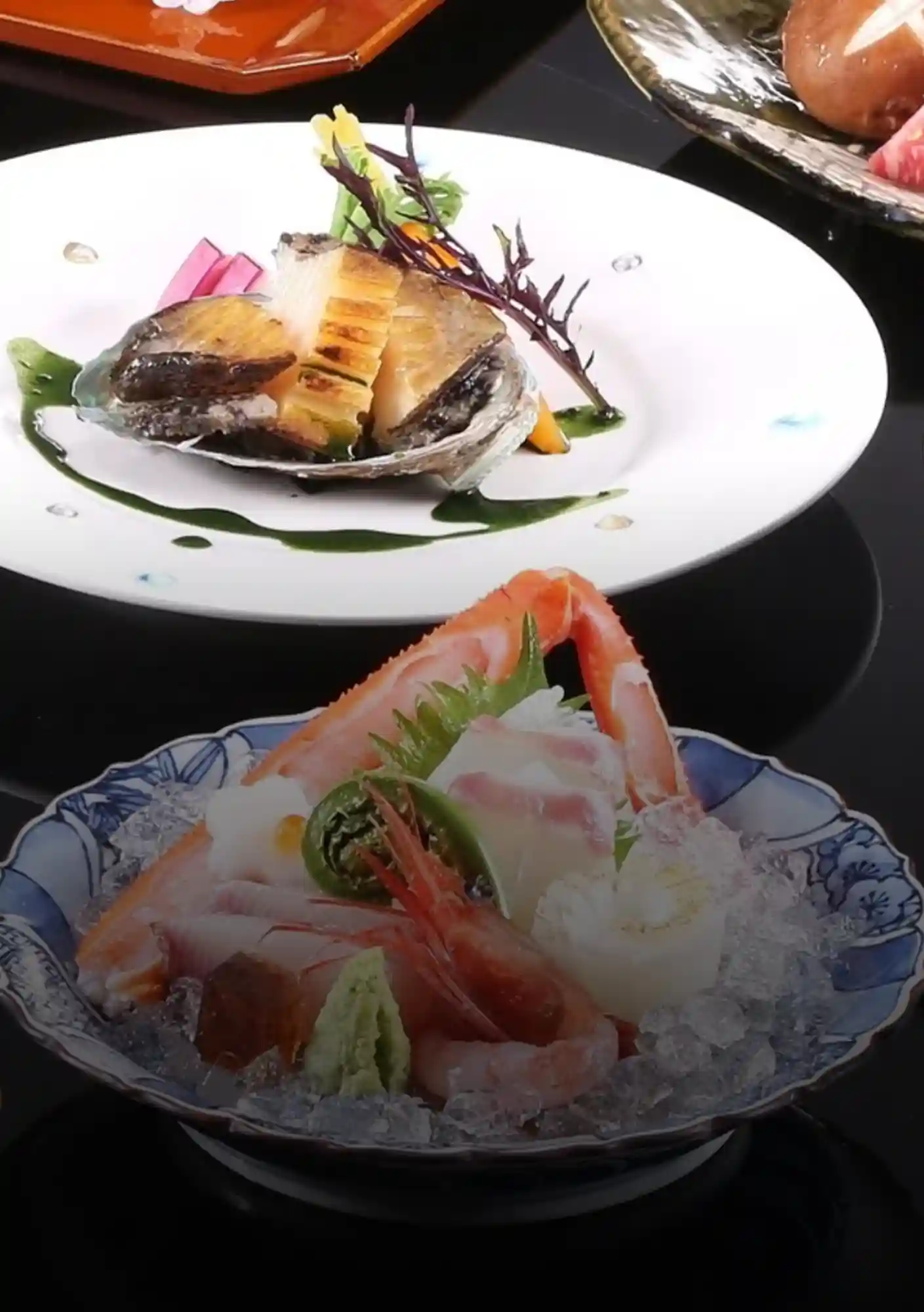
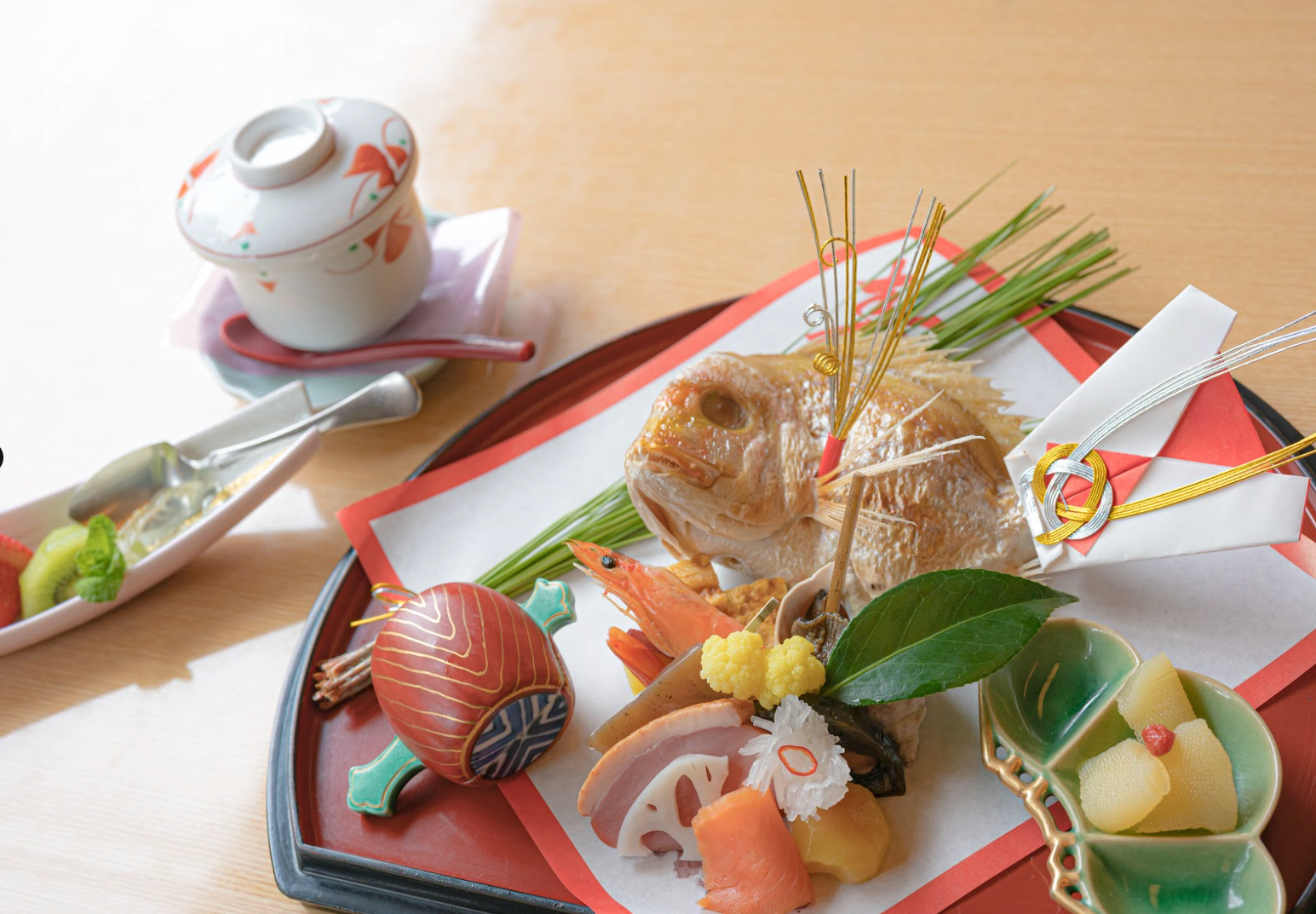
Seasons on a Plate
Kaiseki dining elevates food into visual art, where seasonal ingredients are presented with precise attention to color, texture, and spatial composition. Each dish reflects the five tastes, five colors, and five methods—a culinary philosophy where tableware becomes canvas and dining transforms into aesthetic experience.
Trusted Information
text text text text text text text text text text text text text text text text text text text text text text text text text text text text text text text text text text text text text text text text text.

tea ceremony master
Taro Yamada
Taro Yamad is an acclaimed Master of the Urasenke Tea Ceremony. He teaches the profound art of Chanoyu in Kyoto and shares the spirit of wabi-sabi globally through demonstrations and lectures.
tea ceremony master
Taro Yamada
Taro Yamad is an acclaimed Master of the Urasenke Tea Ceremony. He teaches the profound art of Chanoyu in Kyoto and shares the spirit of wabi-sabi globally through demonstrations and lectures.
tea ceremony master
Taro Yamada
Taro Yamad is an acclaimed Master of the Urasenke Tea Ceremony. He teaches the profound art of Chanoyu in Kyoto and shares the spirit of wabi-sabi globally through demonstrations and lectures.
Sneak Peek Inside the Guide
You can read the first few pages as a preview.
To read the full version, please register using the form.
To read the full version, please register using the form.
