background_Spiritual

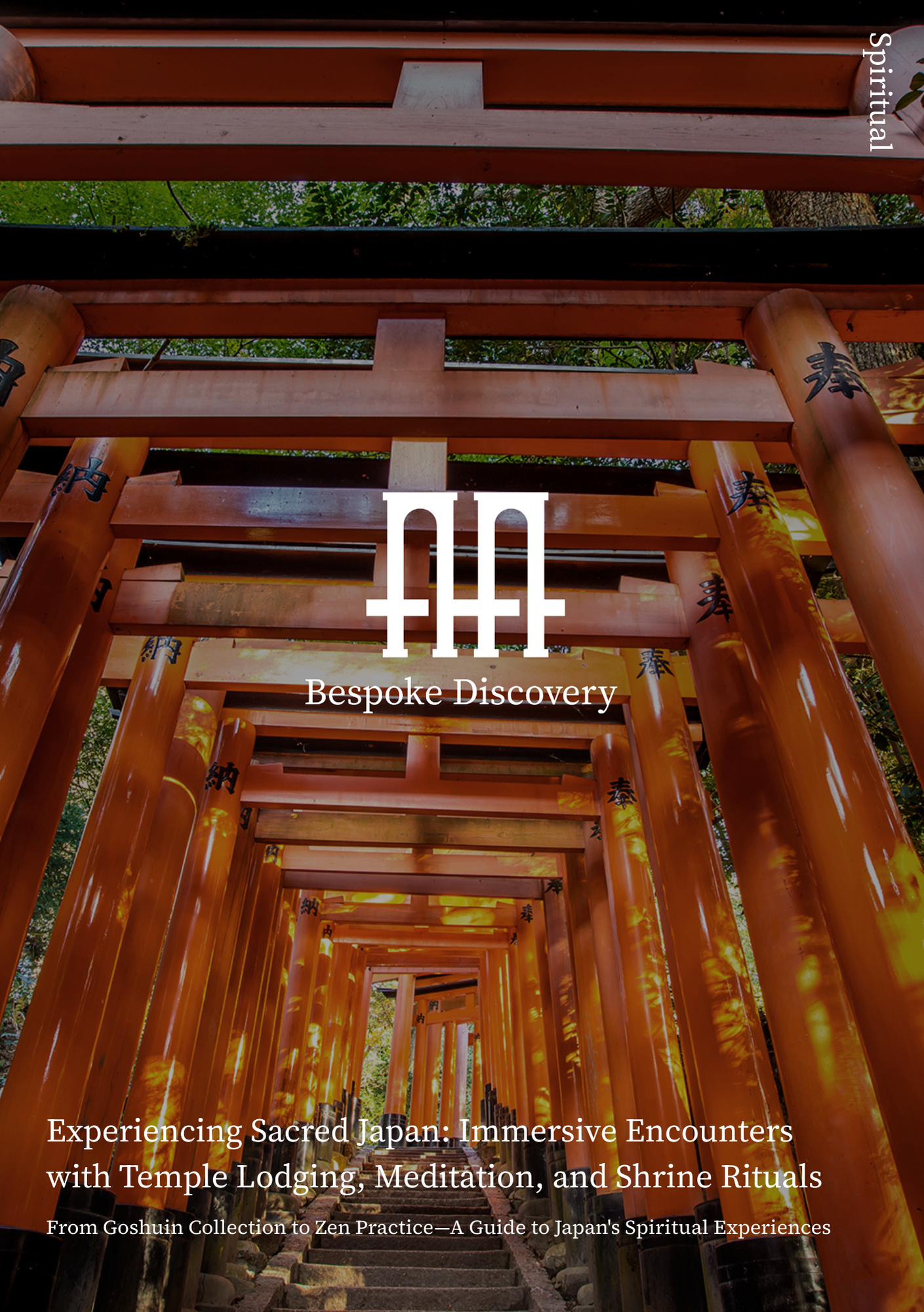
Experiencing Sacred Japan: Immersive Encounters with Temple Lodging, Meditation, and Shrine Rituals

Shrine Temple
Japan's spiritual traditions offer more than sightseeing—they provide transformative experiences that reshape how you see the world. This guide explores temple lodging, goshuin collection, Zen meditation, and Shinto rituals, revealing how ancient practices integrate into modern life and offer frameworks for mindful living.
Experiencing Sacred Japan: Immersive Encounters with Temple Lodging, Meditation, and Shrine Rituals

Experiences You’ll Get from This Guide

Stepping into Japan's sacred spaces means entering dialogues that transcend tourism. From collecting calligraphic goshuin stamps to practicing zazen meditation in Kyoto temples, from staying overnight in Koyasan's mountain monasteries to participating in New Year shrine visits, these experiences cultivate awareness beyond the everyday.

Experiencing_Sacred_Japan_01

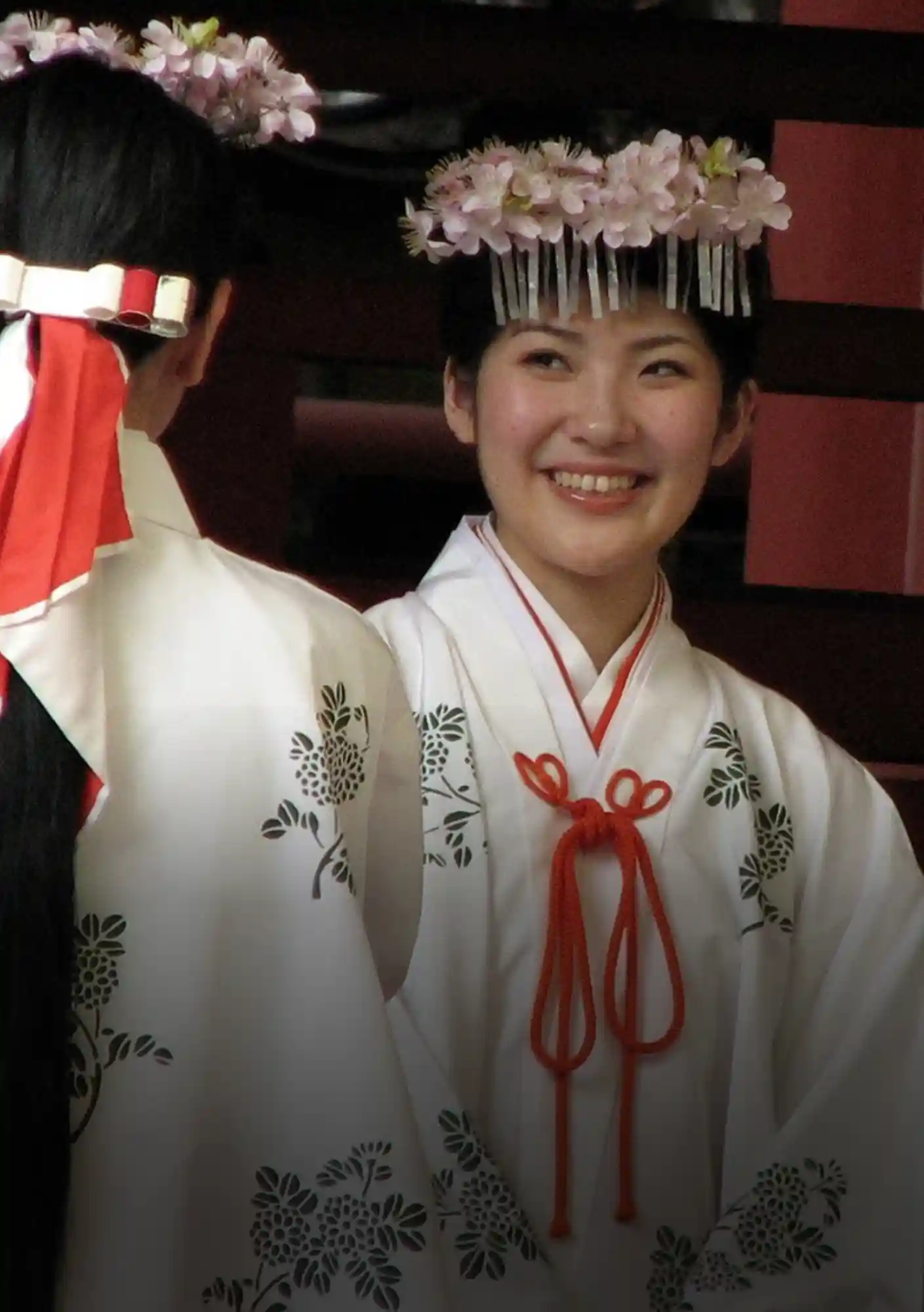
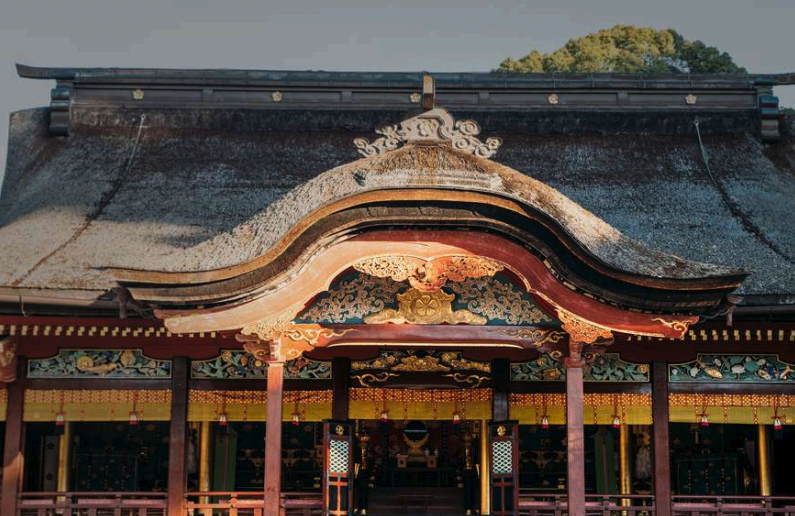
Sacred Offerings and New Year Blessings at Japanese Shrines

Shinto rituals mark life's milestones through elaborate ceremonies at Japan's sacred sites. From wedding blessings to seasonal festivals, these traditions connect participants to centuries of cultural continuity and spiritual meaning.

Experiencing_Sacred_Japan_02

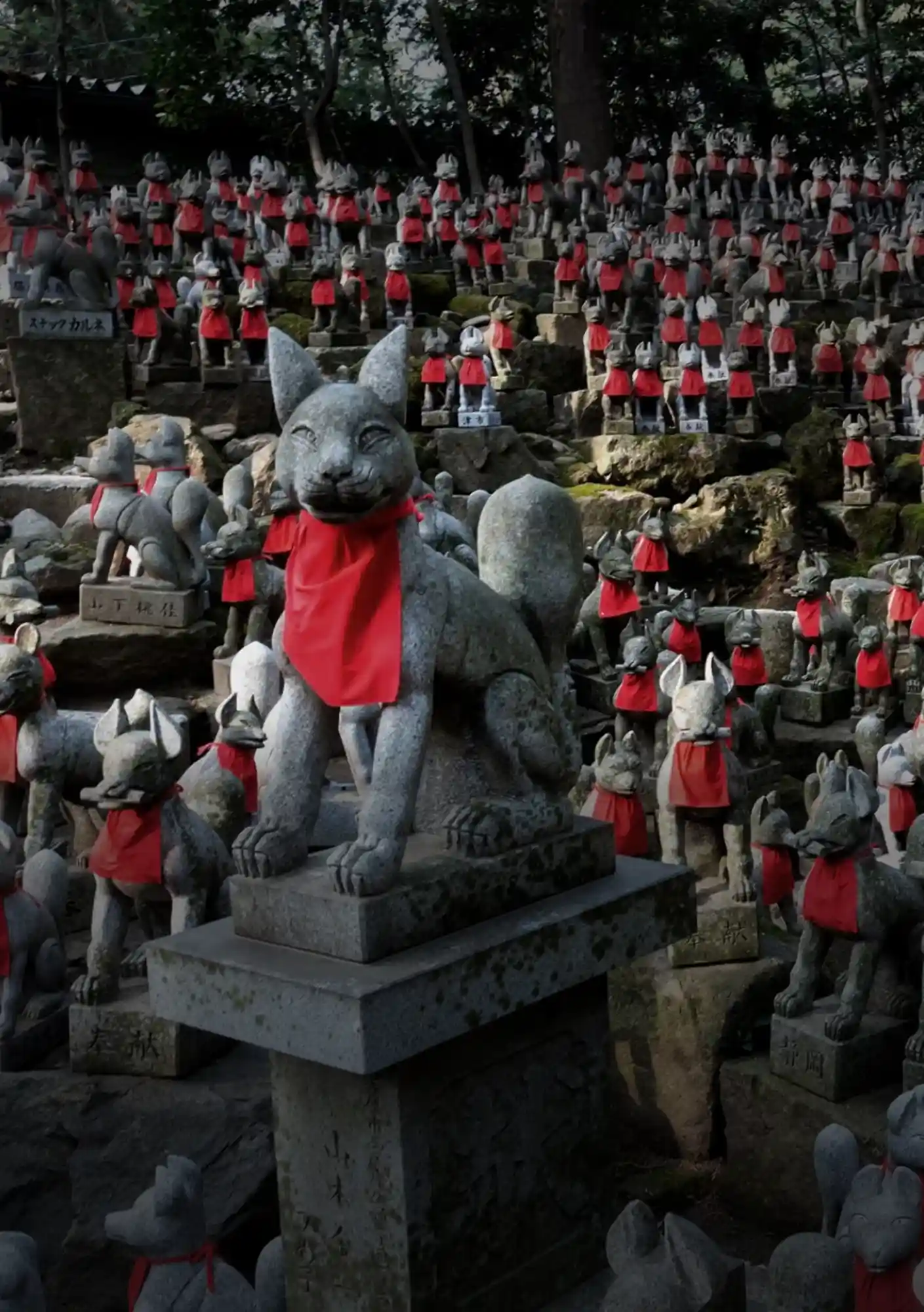
Guardian Statues and Sacred Symbolism

Stone fox messengers (inari) and protective deities populate temple grounds throughout Japan. These sacred figures embody spiritual protection, fertility, and prosperity, inviting contemplation and prayer from pilgrims seeking divine guidance.

Experiencing_Sacred_Japan_03

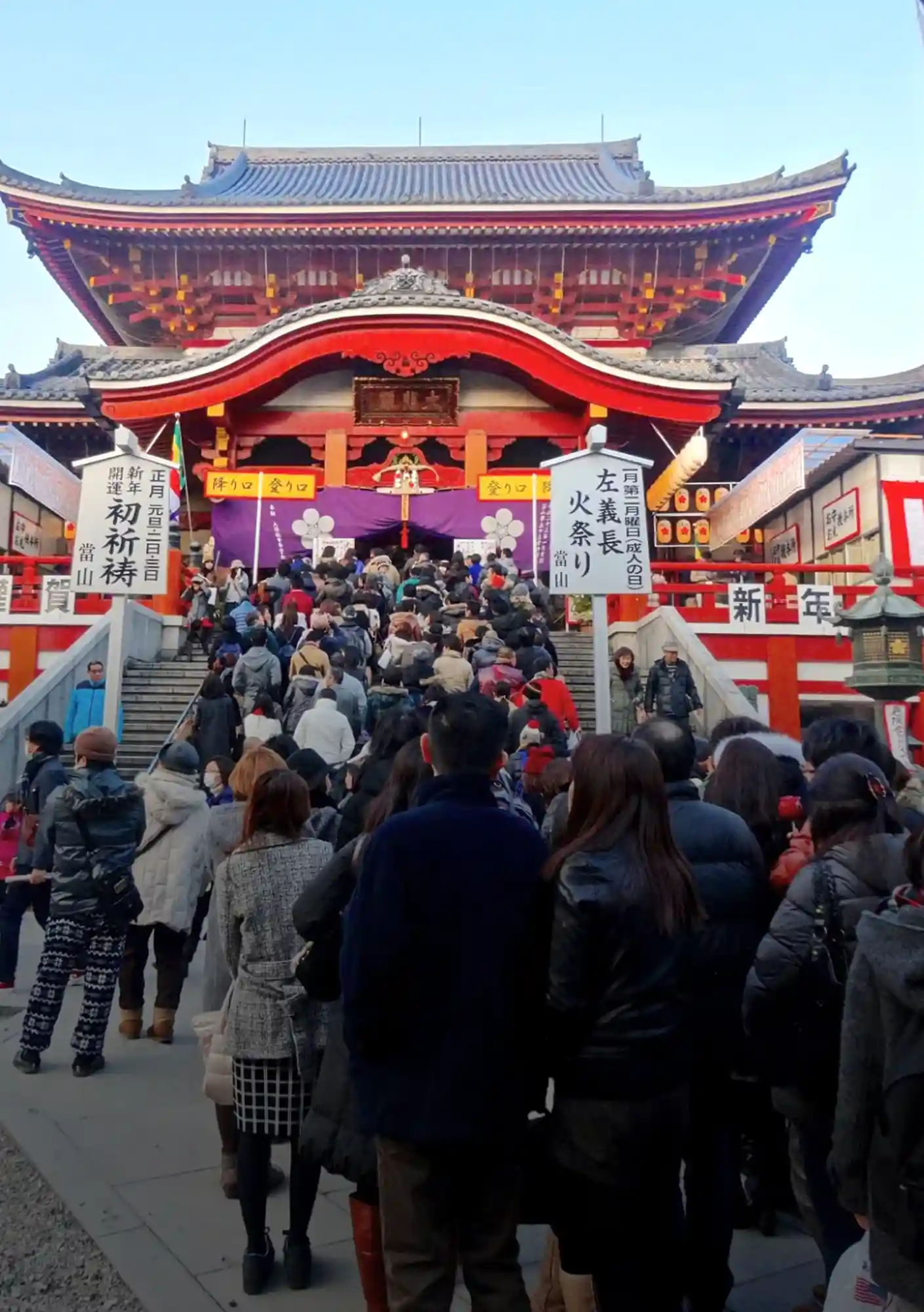
New Year Pilgrimage and Community Worship

Hatsumode brings millions to shrines during January's opening days. This collective ritual renewal—drawing omikuji fortunes, offering prayers, purchasing protective amulets—demonstrates how ancient practice sustains modern spiritual life.

Trusted Information

text text text text text text text text text text text text text text text text text text text text text text text text text text text text text text text text text text text text text text text text text.
tea ceremony master
Taro Yamada
Taro Yamad is an acclaimed Master of the Urasenke Tea Ceremony. He teaches the profound art of Chanoyu in Kyoto and shares the spirit of wabi-sabi globally through demonstrations and lectures.
tea ceremony master
Taro Yamada
Taro Yamad is an acclaimed Master of the Urasenke Tea Ceremony. He teaches the profound art of Chanoyu in Kyoto and shares the spirit of wabi-sabi globally through demonstrations and lectures.
tea ceremony master
Taro Yamada
Taro Yamad is an acclaimed Master of the Urasenke Tea Ceremony. He teaches the profound art of Chanoyu in Kyoto and shares the spirit of wabi-sabi globally through demonstrations and lectures.

Testimonials

Discover what readers from around the world are saying about our guides. Each comment reflects a unique journey into the heart of Japanese culture — from refined traditions and craftsmanship to the quiet beauty found in everyday rituals.

This guide transcends conventional travel writing—it's a meditation on impermanence and renewal. The way it traces goshuin collection as spiritual cartography, or frames temple stays as dialogues with silence, reveals Japan's aesthetic philosophy with remarkable subtlety. What struck me most was the treatment of tradition not as artifact but as living practice, constantly adapting yet preserving essence. The exploration of ma (negative space) and the "aesthetic of subtraction" illuminates how Japanese culture finds richness in restraint. A deeply poetic, intellectually satisfying work that reshapes how one approaches sacred spaces.

Damien Mory (Belgium)

Reading this guide fundamentally shifted my understanding of Japanese spirituality. What I previously perceived as ritual formality now reveals itself as embodied wisdom—each bow, each purification gesture functioning as mindfulness practice. The concept of mottainai particularly resonated: not mere frugality but recognition of interconnection between objects, effort, and existence. I'm struck by how these traditions offer frameworks for contemporary crises—environmental degradation, social fragmentation—that Western individualism struggles to address. The guide's treatment of shinbutsu-shugo demonstrates how theological flexibility enables coexistence. It's equipped me with new lenses for interpreting cultural difference with humility and depth.
Amanda Tan (Australia)

Wow, this guide is absolutely stunning! The way it weaves together temple experiences, meditation practices, and cultural rituals feels so immersive and thoughtfully crafted. I loved learning about goshuin collection—never knew there was such depth behind those beautiful stamps! The photography suggestions and the respectful tone throughout really show how much care went into this. It's not just informative; it's genuinely inspiring. Makes me want to book a trip immediately and experience everything firsthand. Seriously impressive work—thank you for creating something so beautiful and educational. Already sharing it with friends planning Japan trips!

Hlena Joe (USA)

Sneak Peek Inside the Guide

You can read the first few pages as a preview.
To read the full version, please register using the form.

Scroll
Preview
Scroll
Preview