

What distinguishes this Digital Guide is its ability to connect history, craftsmanship, and sustainability into a coherent cultural philosophy. Each chapter feels less like instruction and more like an invitation to observe more carefully—how materials age, how skills are transmitted, and how stories are embedded in everyday practices. The historical framing gave depth to things I might otherwise overlook, from architectural details to the rhythms of food culture. Sustainability emerged not as a separate topic, but as a natural outcome of valuing continuity and care. After reading, I felt better equipped to engage with culture not as a visitor seeking highlights, but as a thoughtful participant.
Timeless & Contemporary Japan: An Architectural Journey Through Culture, Craft, and Aesthetics
Architecture
A refined digital guide exploring Japanese architecture as a cultural continuum. From ancient temples and traditional homes to modern masterpieces and Tokyo’s evolving cityscape, it offers thoughtful insights into design, philosophy, and craftsmanship for the culturally curious traveler.
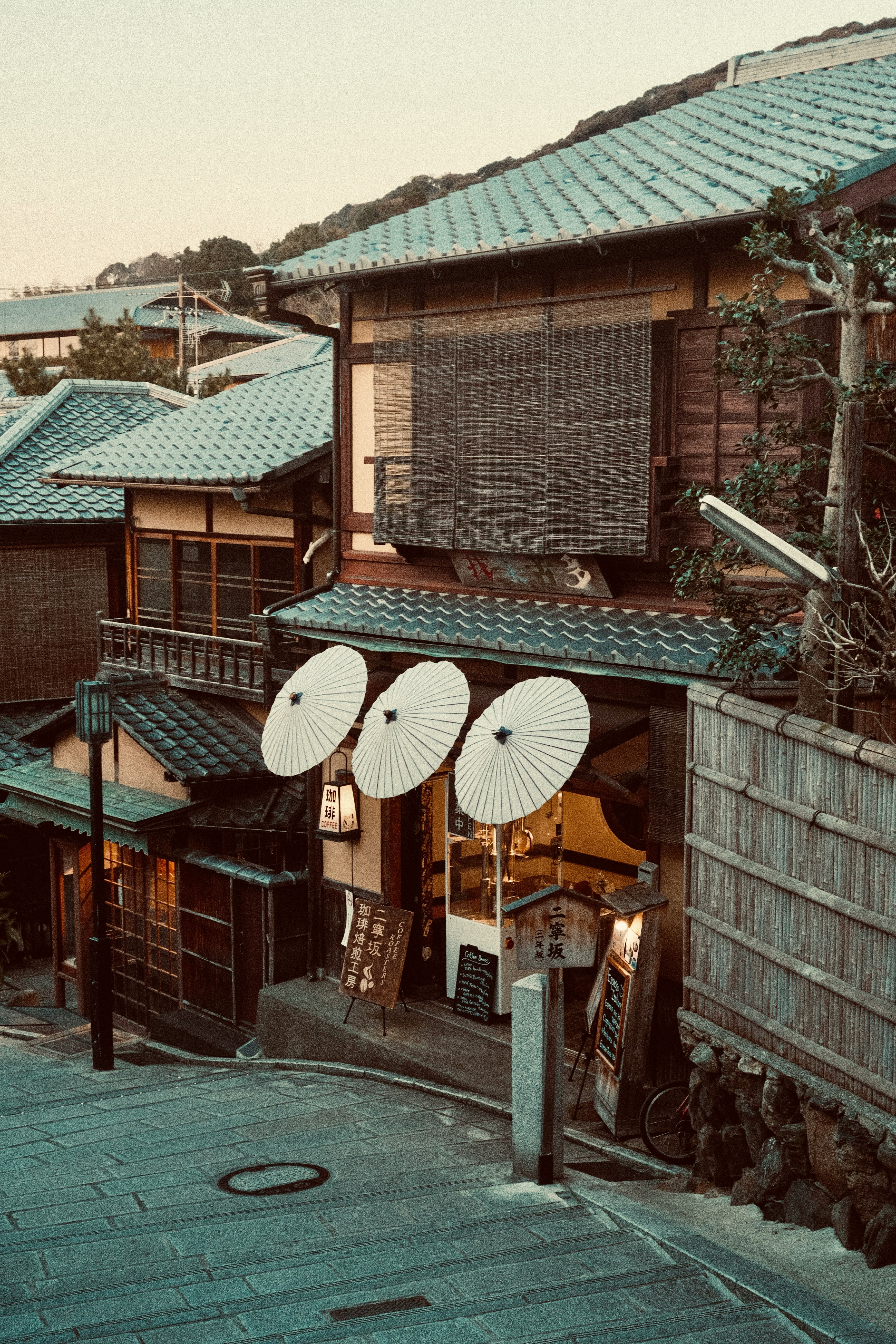
Experiences You’ll Get from This Guide
This digital guide explores Japan’s architecture as a living dialogue between tradition and innovation. From ancient temples and refined tea houses to contemporary museums and Tokyo’s evolving cityscape, it reveals how space, light, and materials express cultural values. Designed for curious travelers, it offers insight into architecture as a gateway to Japanese aesthetics and thought.
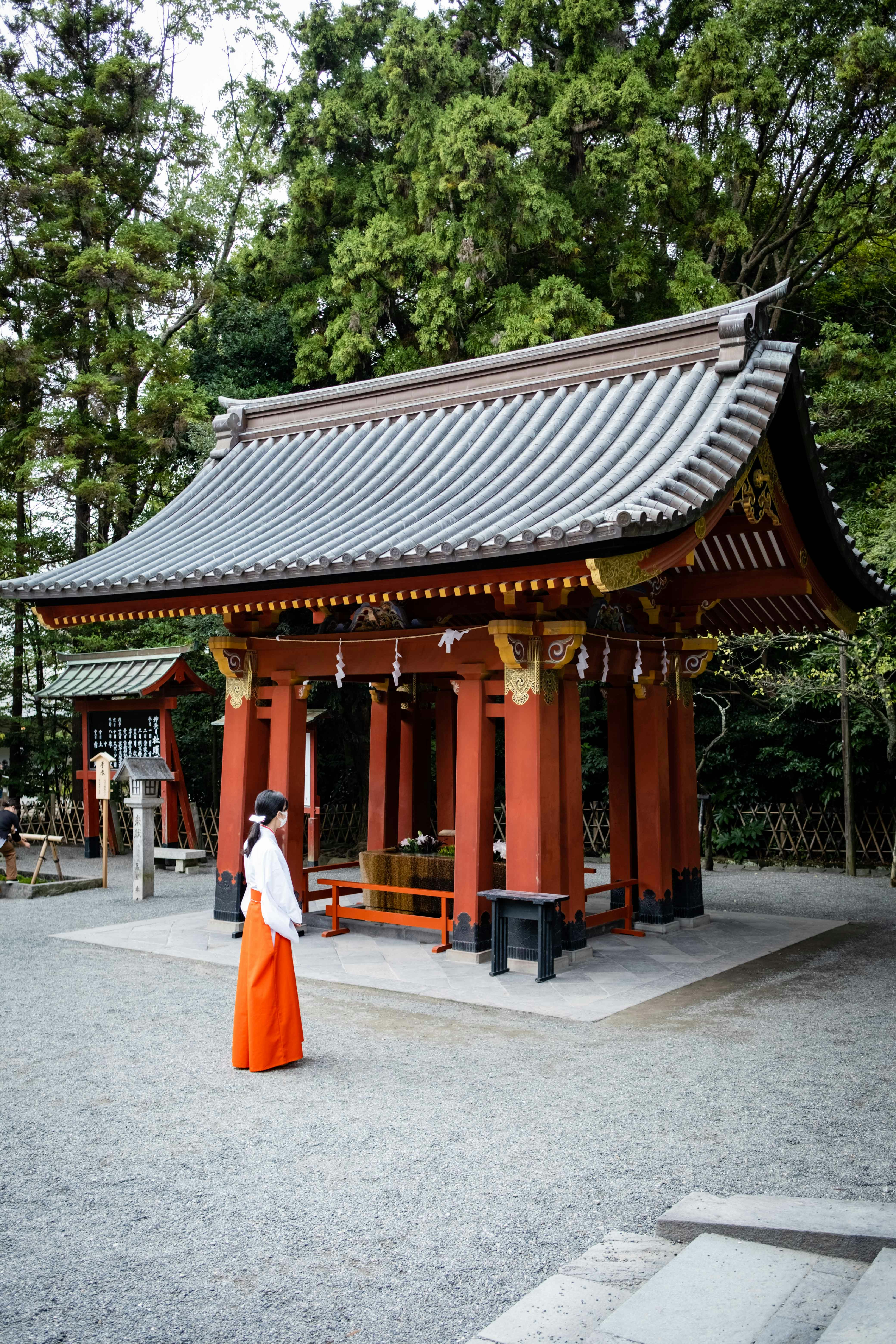
Timeless Japan: Architecture Rooted in Spirit
Discover Japan’s sacred architecture through shrines, temples, and timeless wooden forms. Learn how ritual, nature, and craftsmanship shape spaces of quiet beauty.
Modern Japan: Architecture in Dialogue
Explore contemporary Japanese architecture shaped by light, material, and philosophy. From Ando to Kuma, discover how tradition inspires modern design.
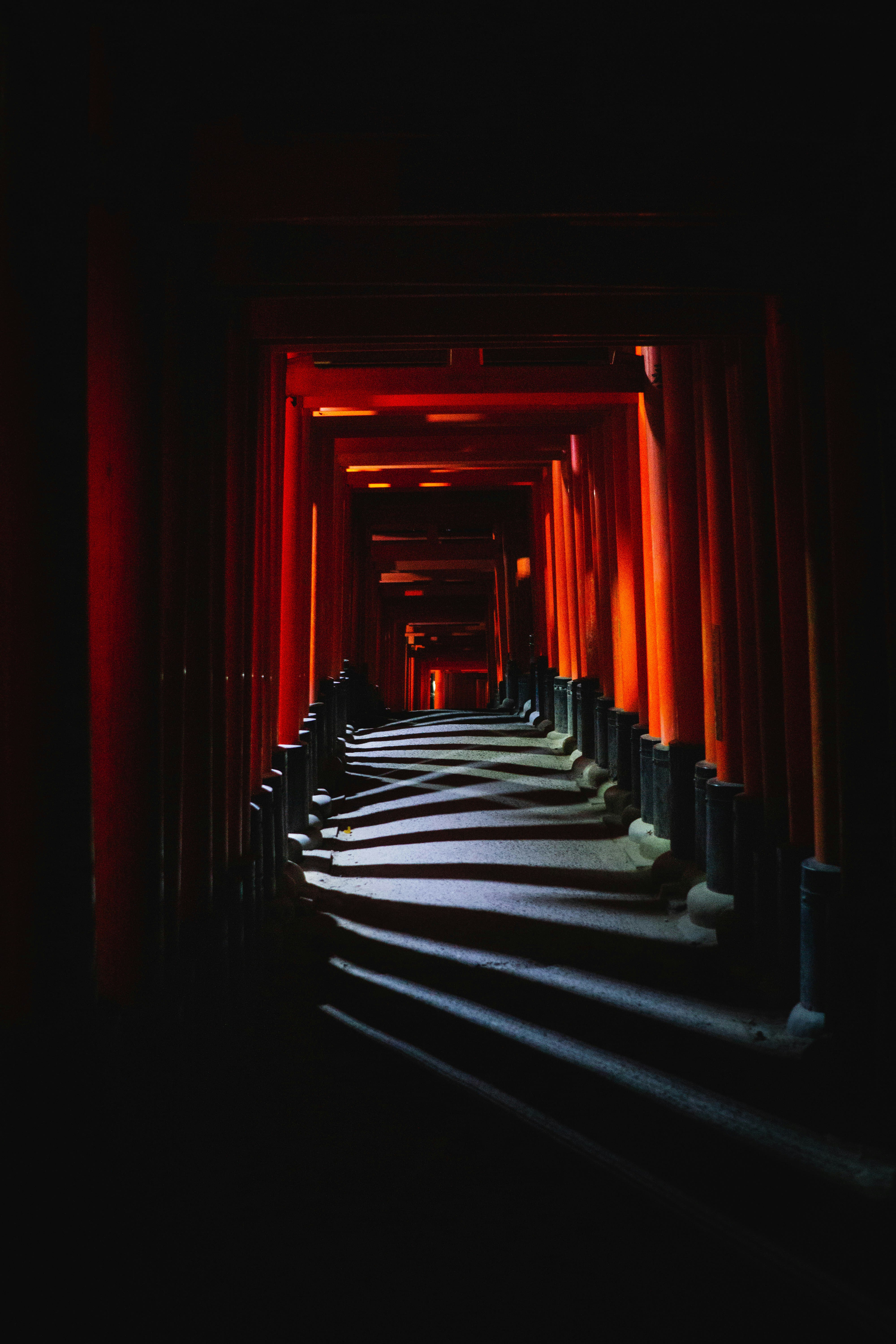
Tokyo: A Living Museum of Architecture
Experience Tokyo as a living museum where tradition and innovation coexist. This guide reveals how the city’s architecture reflects culture, rhythm, and future vision.
Trusted Information
text text text text text text text text text text text text text text text text text text text text text text text text text text text text text text text text text text text text text text text text text.

tea ceremony master
Taro Yamada
Taro Yamad is an acclaimed Master of the Urasenke Tea Ceremony. He teaches the profound art of Chanoyu in Kyoto and shares the spirit of wabi-sabi globally through demonstrations and lectures.
tea ceremony master
Taro Yamada
Taro Yamad is an acclaimed Master of the Urasenke Tea Ceremony. He teaches the profound art of Chanoyu in Kyoto and shares the spirit of wabi-sabi globally through demonstrations and lectures.
tea ceremony master
Taro Yamada
Taro Yamad is an acclaimed Master of the Urasenke Tea Ceremony. He teaches the profound art of Chanoyu in Kyoto and shares the spirit of wabi-sabi globally through demonstrations and lectures.
Sneak Peek Inside the Guide
You can read the first few pages as a preview.
To read the full version, please register using the form.
To read the full version, please register using the form.
