

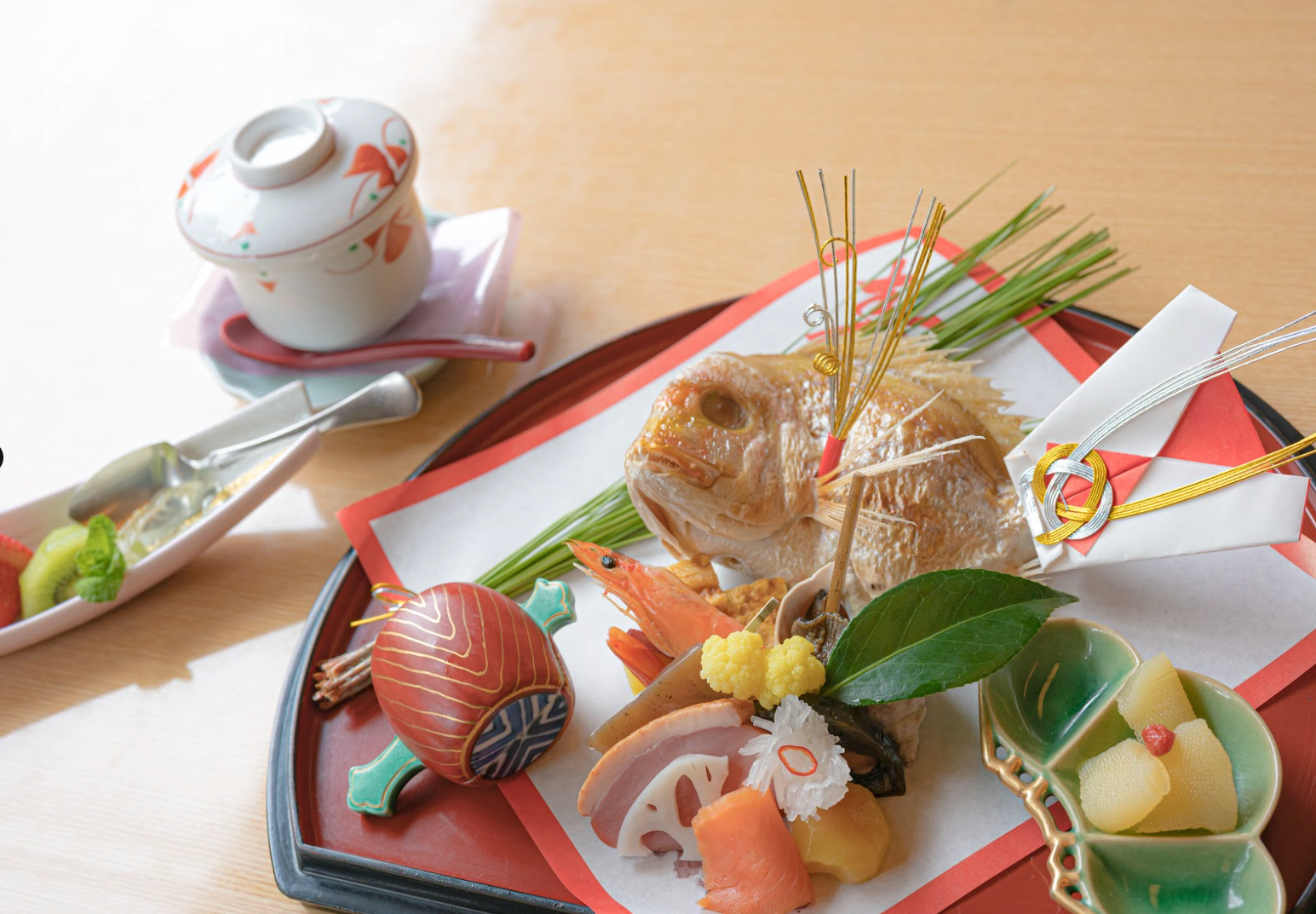
What separates this guide from conventional travel writing is its insistence on context. The chopstick is not merely a utensil—it is the product of a culinary culture built around the delicacy of fish and the refinement of the hand. The lacquerware is not merely beautiful—it is designed to be repaired, to outlast its owner. Every custom documented here carries an ecological conscience that predates contemporary sustainability discourse by centuries. This is the kind of cultural storytelling that changes how you handle objects, not just how you behave at a table.
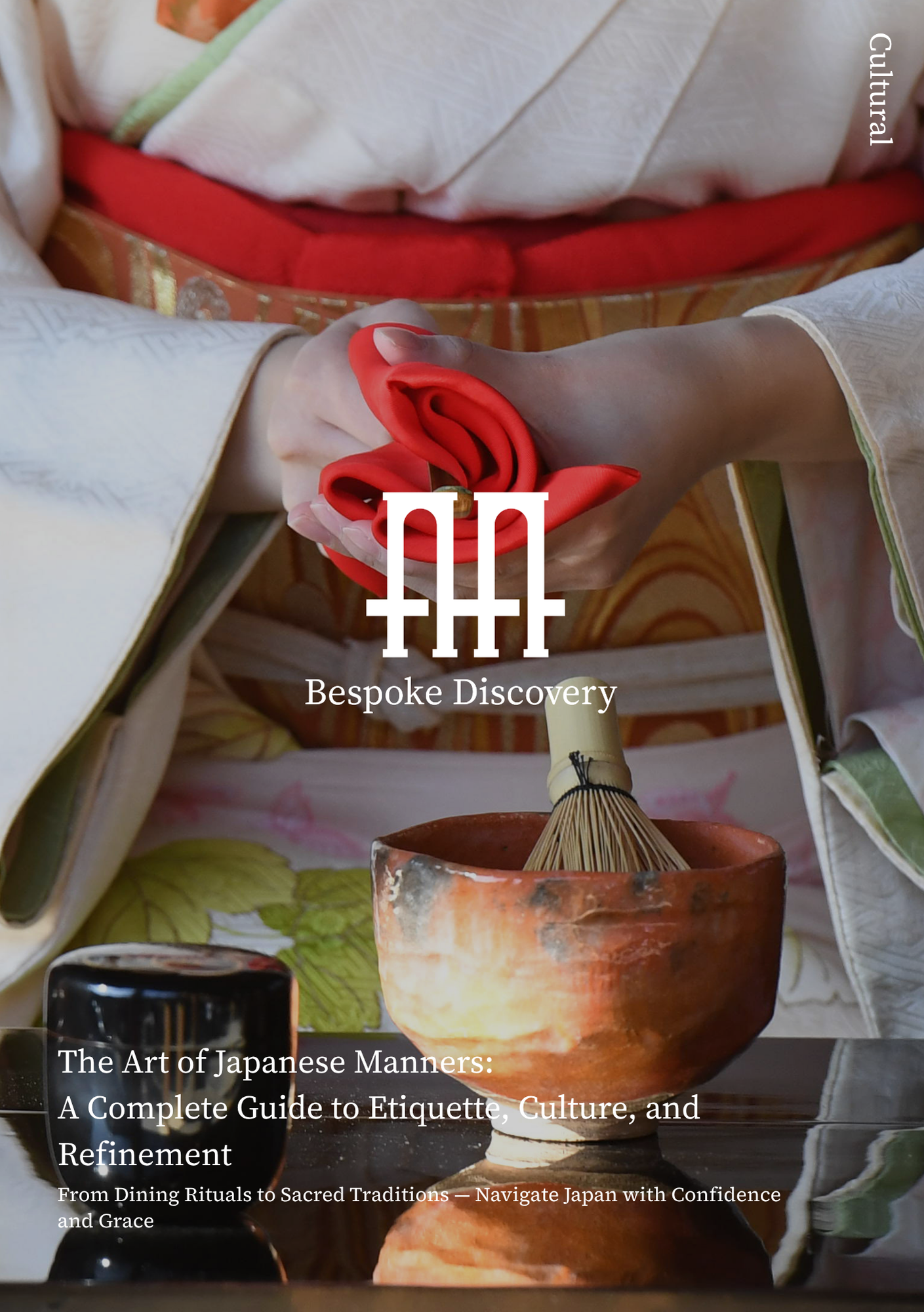
The Art of Japanese Manners: A Complete Guide to Etiquette, Culture, and Refinement
Onsen (Hot Spring)
Traditional
Japanese etiquette is a living philosophy rooted in harmony and respect. This guide decodes the customs shaping daily life in Japan: dining rituals, chopstick technique, onsen conduct, shrine visits, train manners, and gift-giving. A culturally rich companion for travelers seeking Japan beyond the surface.
Experiences You’ll Get from This Guide
Behind every bow, every placed chopstick, and every silence in a Japanese train lies one principle: consideration for others. This guide unpacks the etiquette governing Japanese life—from the dining table to the sacred space—so you move through Japan not as an observer, but as a respectful, culturally fluent guest.
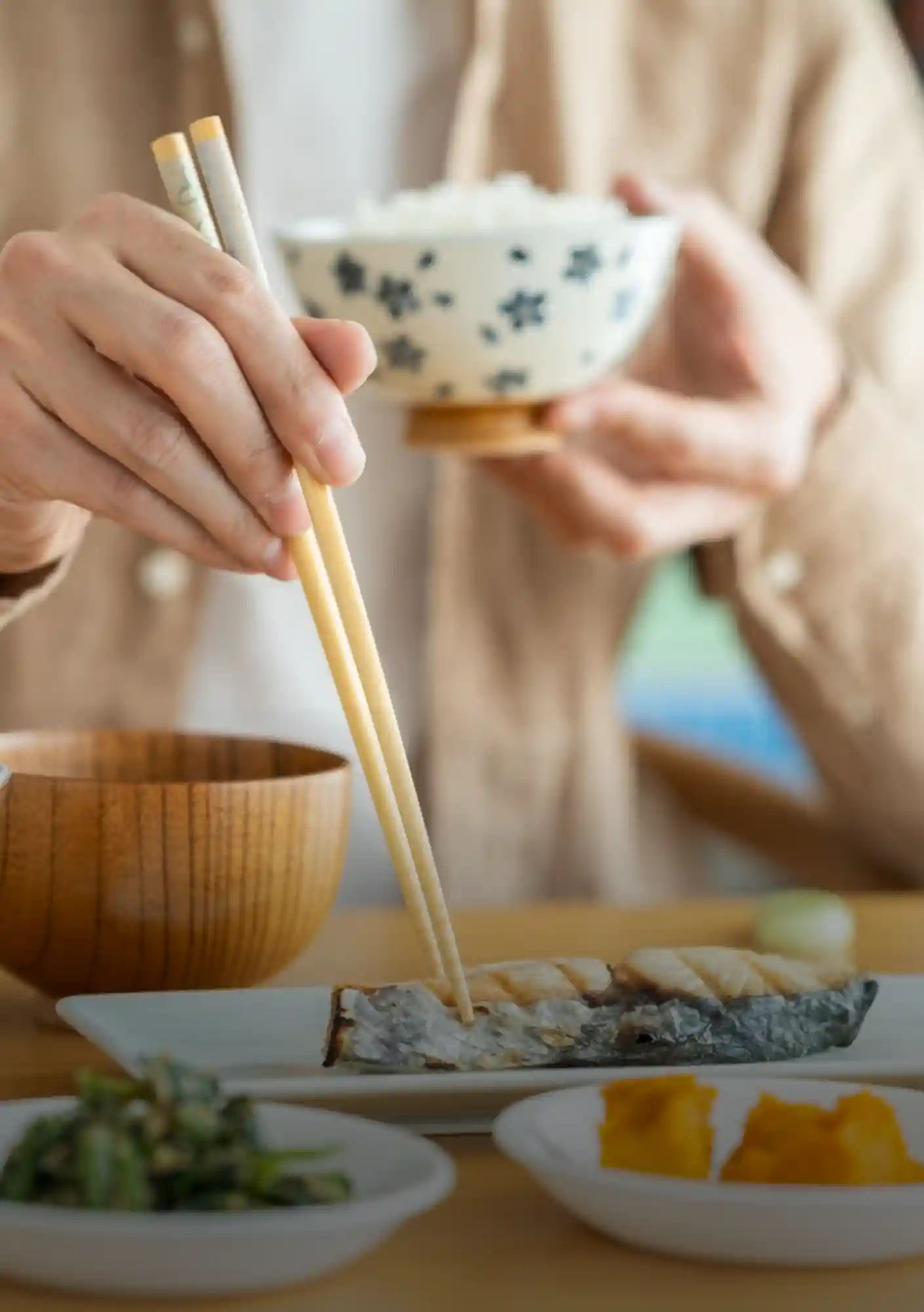
The Art of Eating: Chopsticks, Bowls, and the Japanese Table
Every meal in Japan is a quiet ceremony. Lifting the rice bowl, placing chopsticks with care—these gestures carry centuries of meaning and change how you are received.
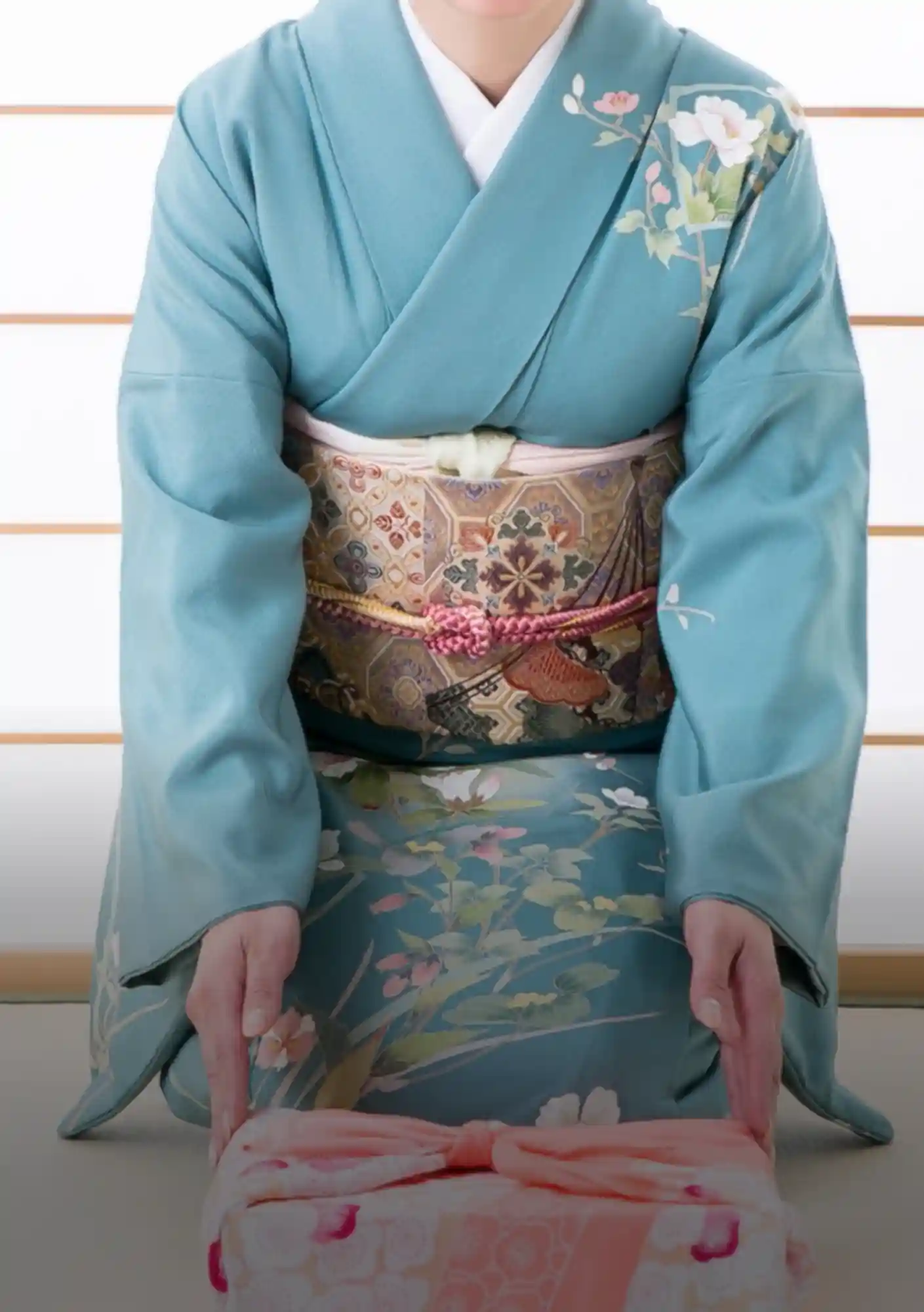
The Bow, the Gift, the Greeting: How Japan Speaks Respect
In Japan, respect is worn in posture and carried in the presentation of a gift. From the angle of a bow to wrapping ritual, learn the quiet codes that govern every exchange.
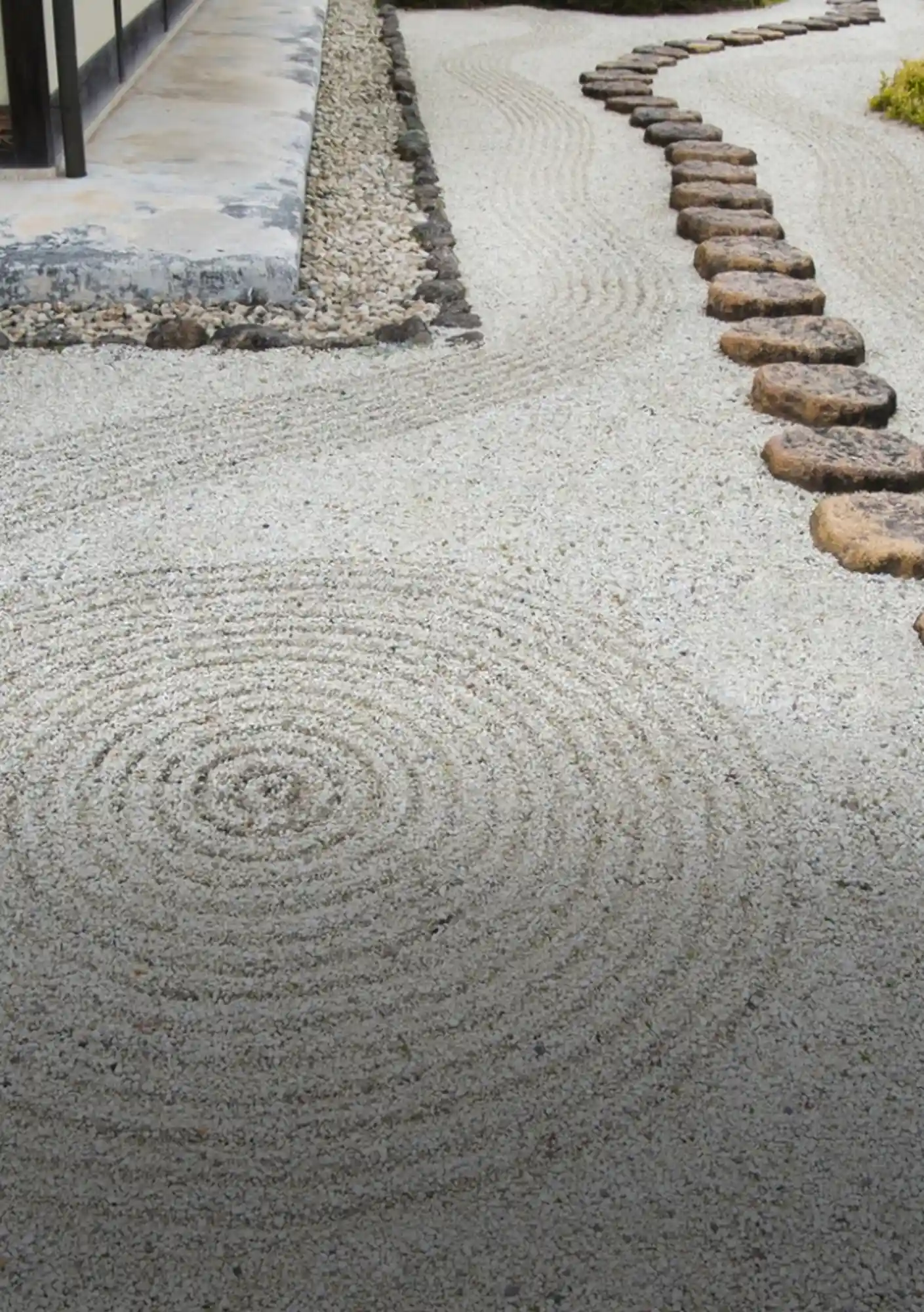
Stillness as Discipline: The Philosophy of Japanese Etiquette
Japanese manners are rooted in ma—purposeful space and silence. From raked gravel to temple paths, this principle shapes how you move through every corner of Japan.
Trusted Information
text text text text text text text text text text text text text text text text text text text text text text text text text text text text text text text text text text text text text text text text text.

tea ceremony master
Taro Yamada
Taro Yamad is an acclaimed Master of the Urasenke Tea Ceremony. He teaches the profound art of Chanoyu in Kyoto and shares the spirit of wabi-sabi globally through demonstrations and lectures.
tea ceremony master
Taro Yamada
Taro Yamad is an acclaimed Master of the Urasenke Tea Ceremony. He teaches the profound art of Chanoyu in Kyoto and shares the spirit of wabi-sabi globally through demonstrations and lectures.
tea ceremony master
Taro Yamada
Taro Yamad is an acclaimed Master of the Urasenke Tea Ceremony. He teaches the profound art of Chanoyu in Kyoto and shares the spirit of wabi-sabi globally through demonstrations and lectures.
Sneak Peek Inside the Guide
You can read the first few pages as a preview.
To read the full version, please register using the form.
To read the full version, please register using the form.
.png)