

This guide illuminates a fundamental cultural divergence: where Western music fills space with harmonic complexity, Japanese tradition celebrates the resonance of emptiness. The concept of ma and the wabi-sabi aesthetic represent a profound alternative to Western perfectionism—finding beauty in transience and incompleteness. The detailed exploration of craftsmanship, from paulownia wood selection to the meticulous work of Fukuyama artisans, reveals the patience and dedication embedded in Japanese culture. What struck me most was how these centuries-old traditions continue evolving without losing their essence. The koto's journey from imperial courts to contemporary fusion projects demonstrates a cultural wisdom about preserving heritage while embracing innovation—a balance Western societies often struggle to achieve.
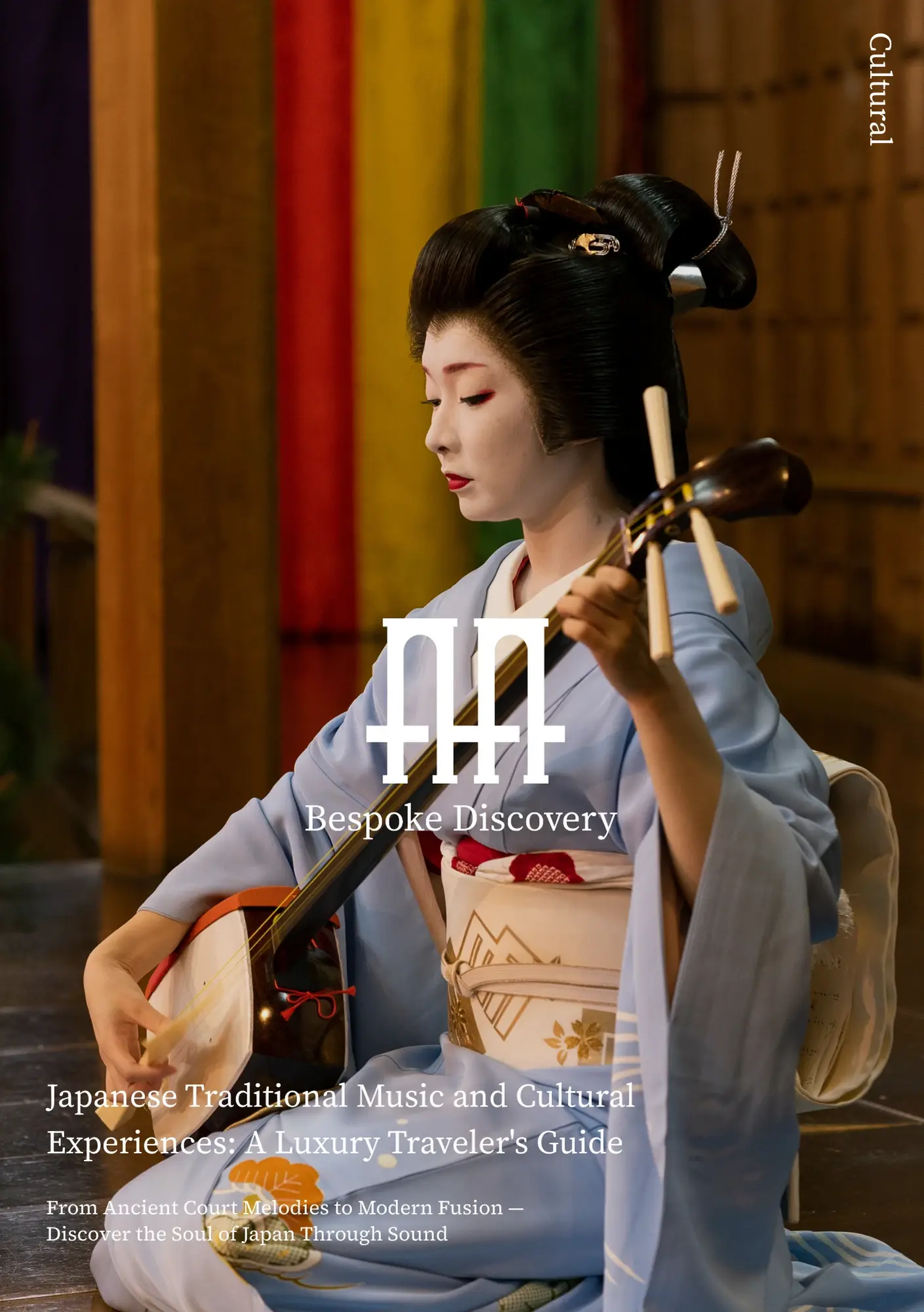
Japanese Traditional Music and Cultural Experiences: A Luxury Traveler's Guide
Experiences You’ll Get from This Guide
Traditional Japanese music celebrates ma—the spaces between sounds—creating a meditative quality reflecting Zen philosophy and wabi-sabi. From gagaku court music to the koto's resonance, these art forms offer travelers a window into Japan's spiritual essence and contemporary musical innovation.

The Dynamic Power of Traditional Japanese Percussion
Taiko drumming embodies the communal rhythm of Japanese festival culture. These powerful performances blend ancient technique with contemporary energy, demonstrating how traditional arts remain vibrant in modern Japan.
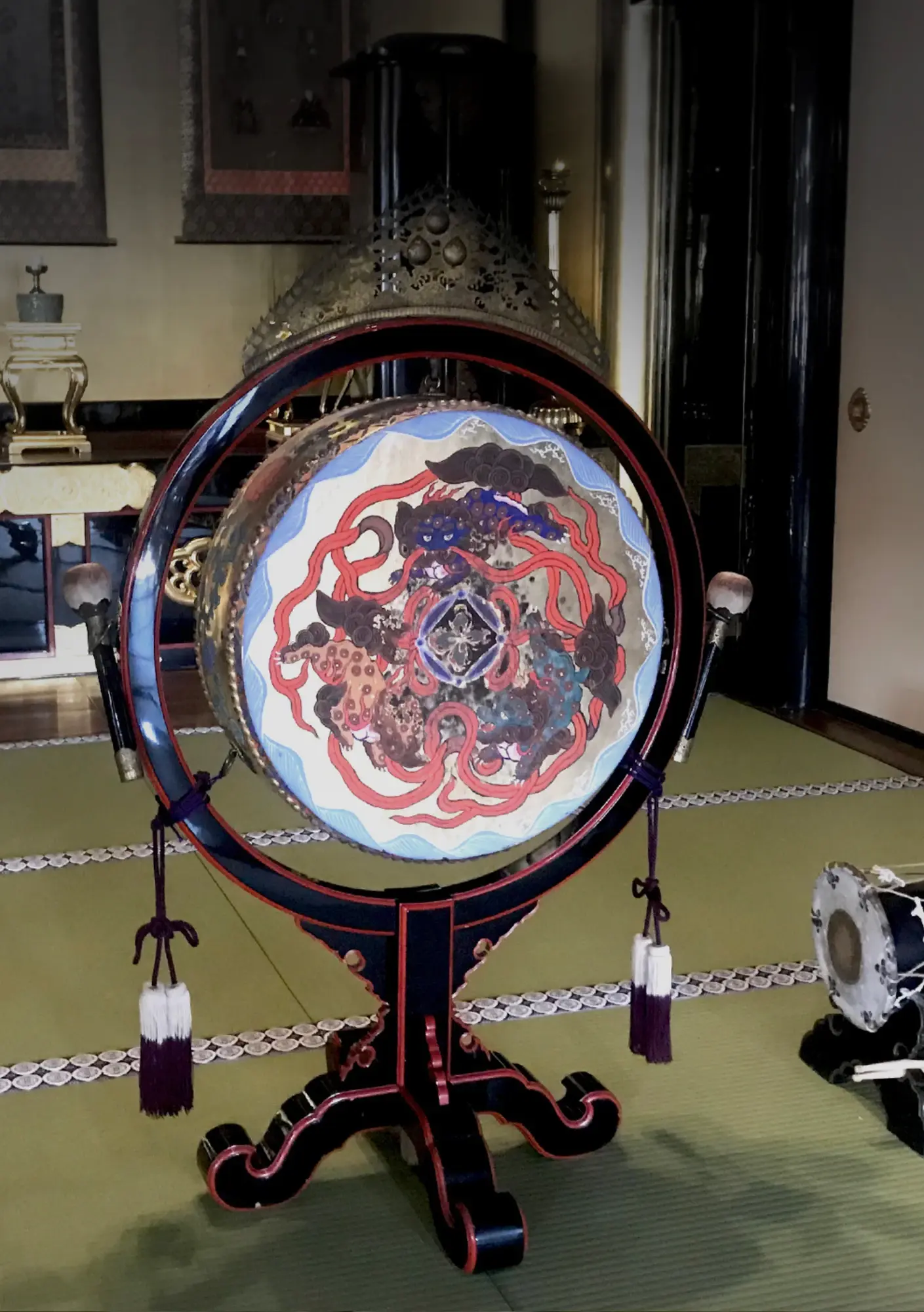
Ceremonial Instruments as Works of Art
This ornate drum showcases exceptional craftsmanship where lacquerwork and musical function converge. These ceremonial pieces reflect the aesthetic that elevates functional objects to art, embodying cultural refinement.
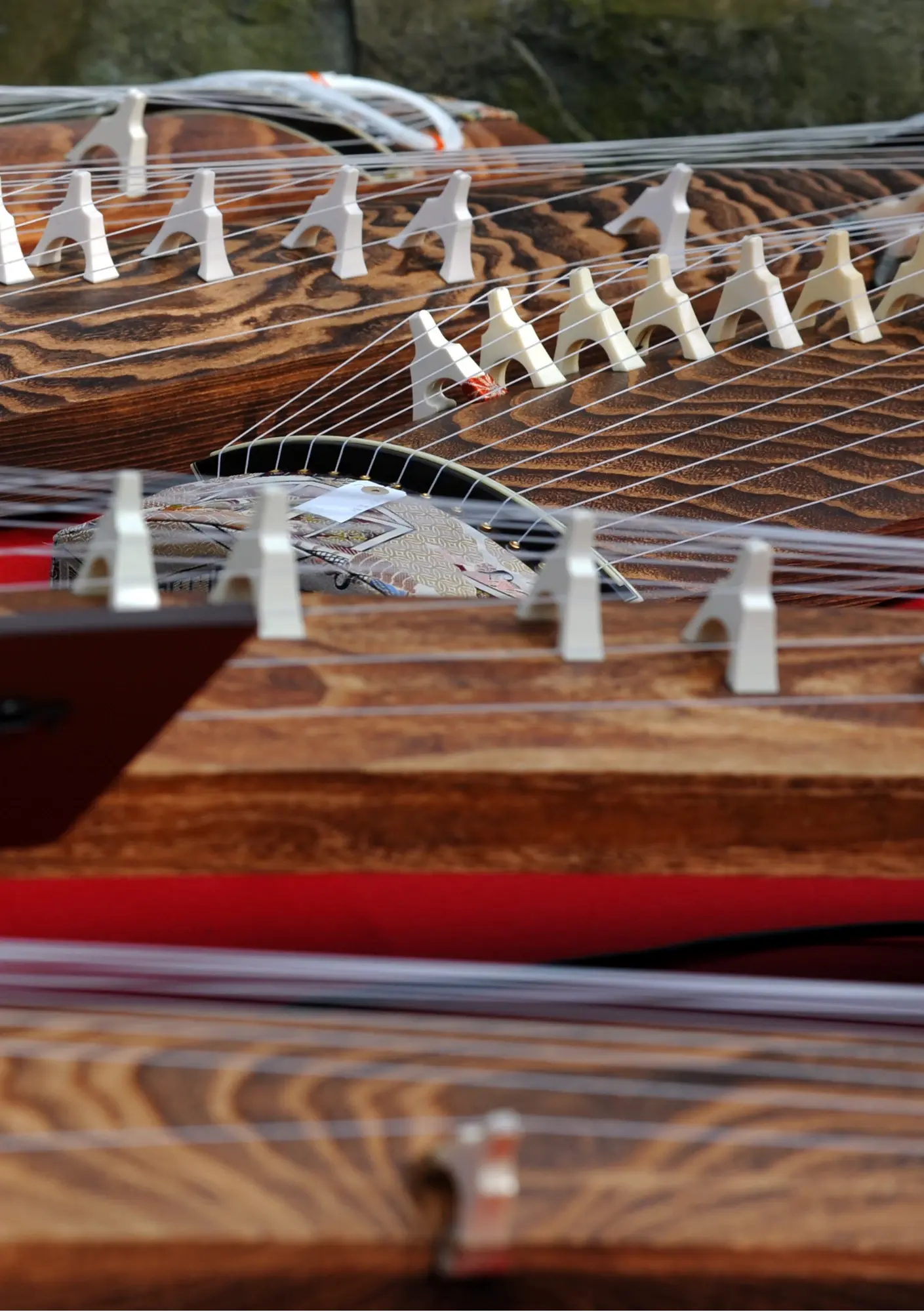
The Intricate Craftsmanship of the Koto
The koto's paulownia wood and thirteen strings reveal meticulous artistry. Adjustable bridges allow musicians to create distinctive scales, capturing the instrument's elegant construction and signature resonant tone.
Trusted Information

Sneak Peek Inside the Guide
To read the full version, please register using the form.
