

As someone fascinated by cross-cultural epistemology, this guide illuminated profound contrasts between Western individualism and Japanese collectivism. The markets aren't merely transactional spaces—they're embodiments of wa, that delicate harmony between human endeavor and natural rhythm. I finally understood shun not as seasonality but as philosophical patience, the craftsman's knife as meditation made steel. Where Western markets celebrate abundance, Japanese markets honor restraint and precision. The etiquette sections revealed how seemingly simple gestures—requesting permission, consuming food mindfully—constitute acts of cultural reverence. This guide taught me that understanding Japan requires unlearning Western assumptions about time, success, and beauty itself.
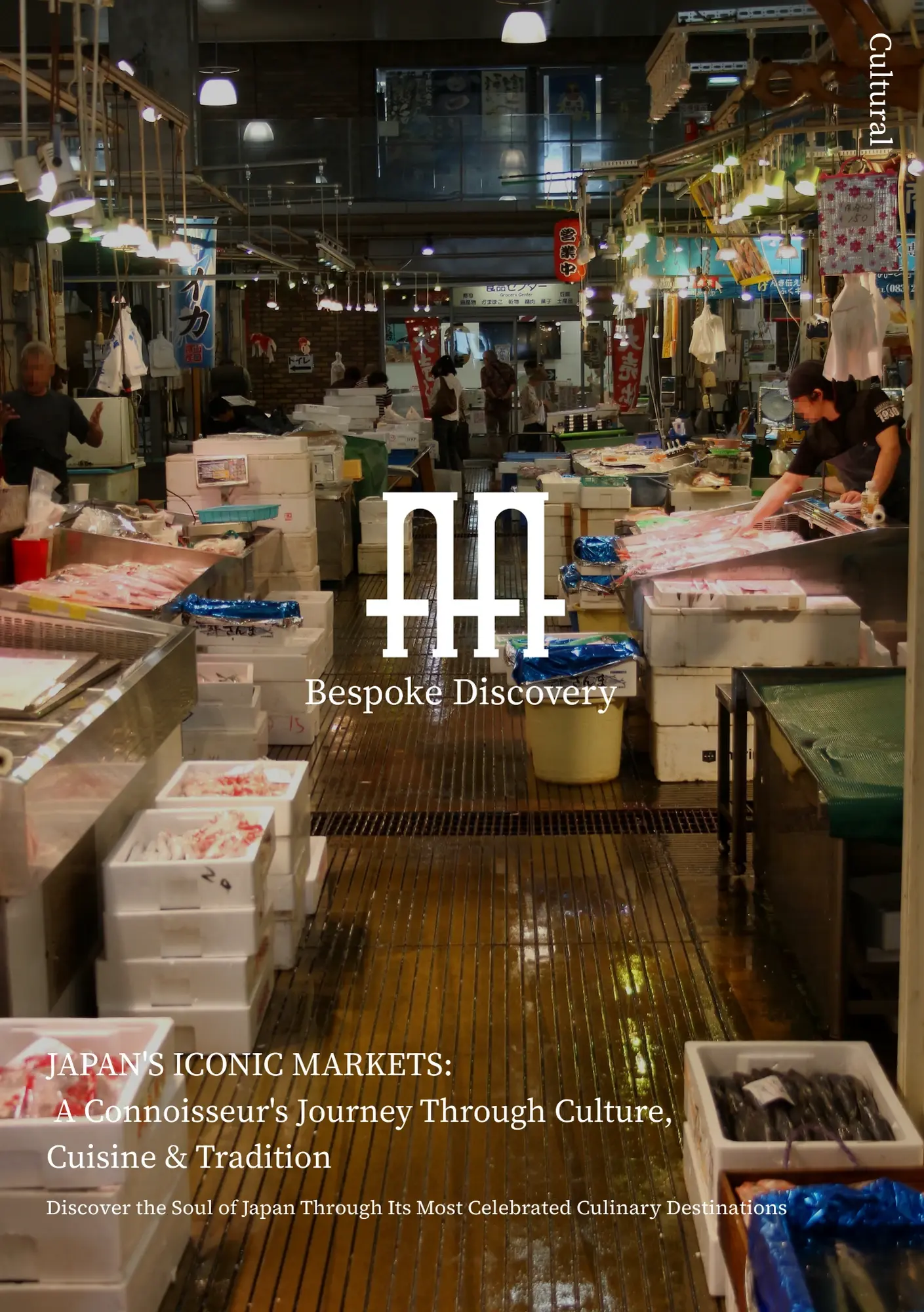
JAPAN'S ICONIC MARKETS: A Connoisseur's Journey Through Culture, Cuisine & Tradition
Food
Market
Discover Japan's iconic markets—Tokyo's Tsukiji and Toyosu, Kyoto's Nishiki, Osaka's Kuromon—through this sophisticated guide for discerning travelers. Explore living museums of culinary tradition with insights on Michelin dining, luxury accommodations, cultural workshops, and authentic experiences.
Experiences You’ll Get from This Guide
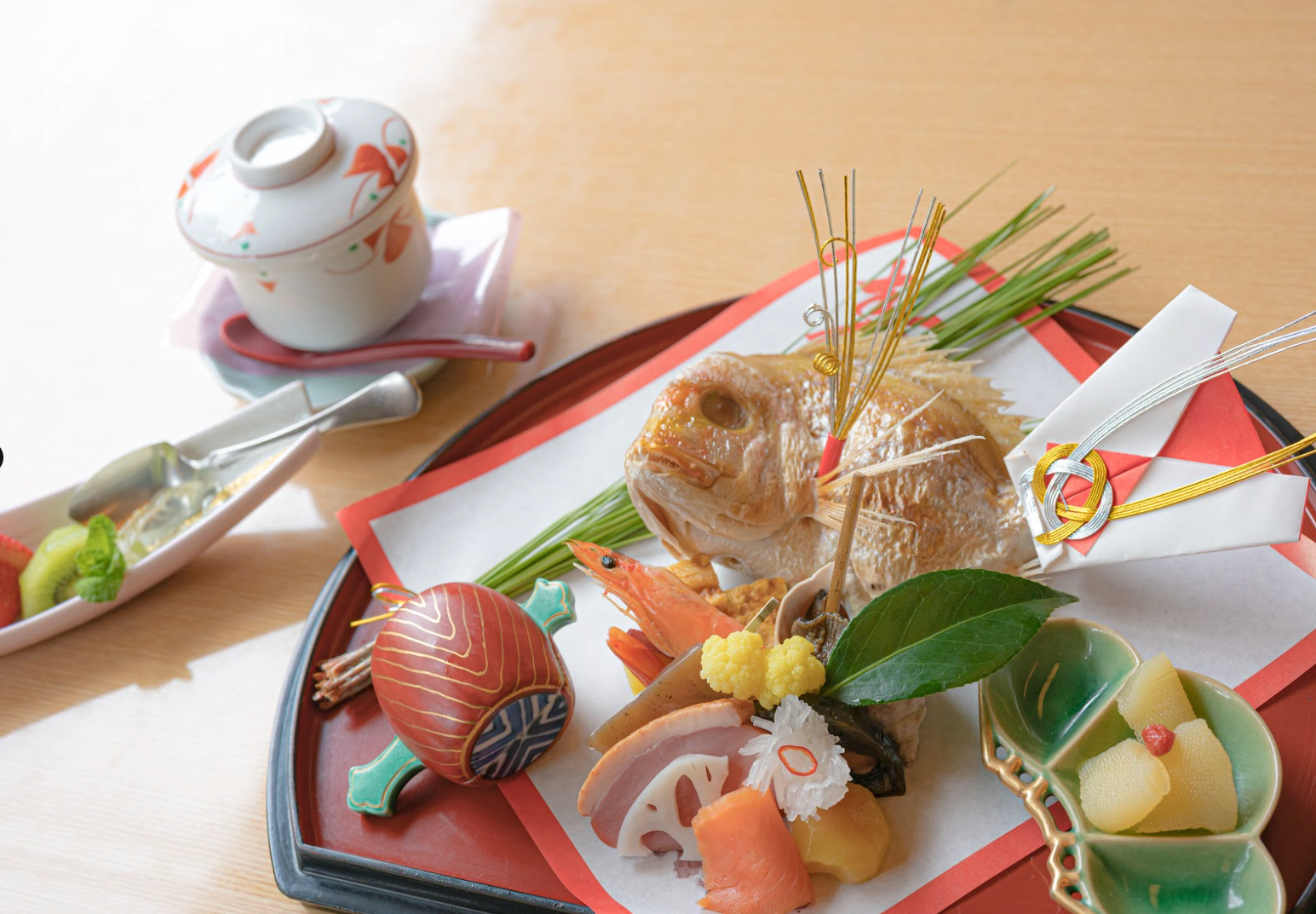
Japan's markets are living museums where culinary culture thrives. From Tokyo's Tsukiji and Toyosu to Kyoto's Nishiki and Osaka's Kuromon, experience dawn auctions, seasonal artistry, and master craftsmen. Discover how these spaces blend tradition with innovation, offering authentic cultural encounters.
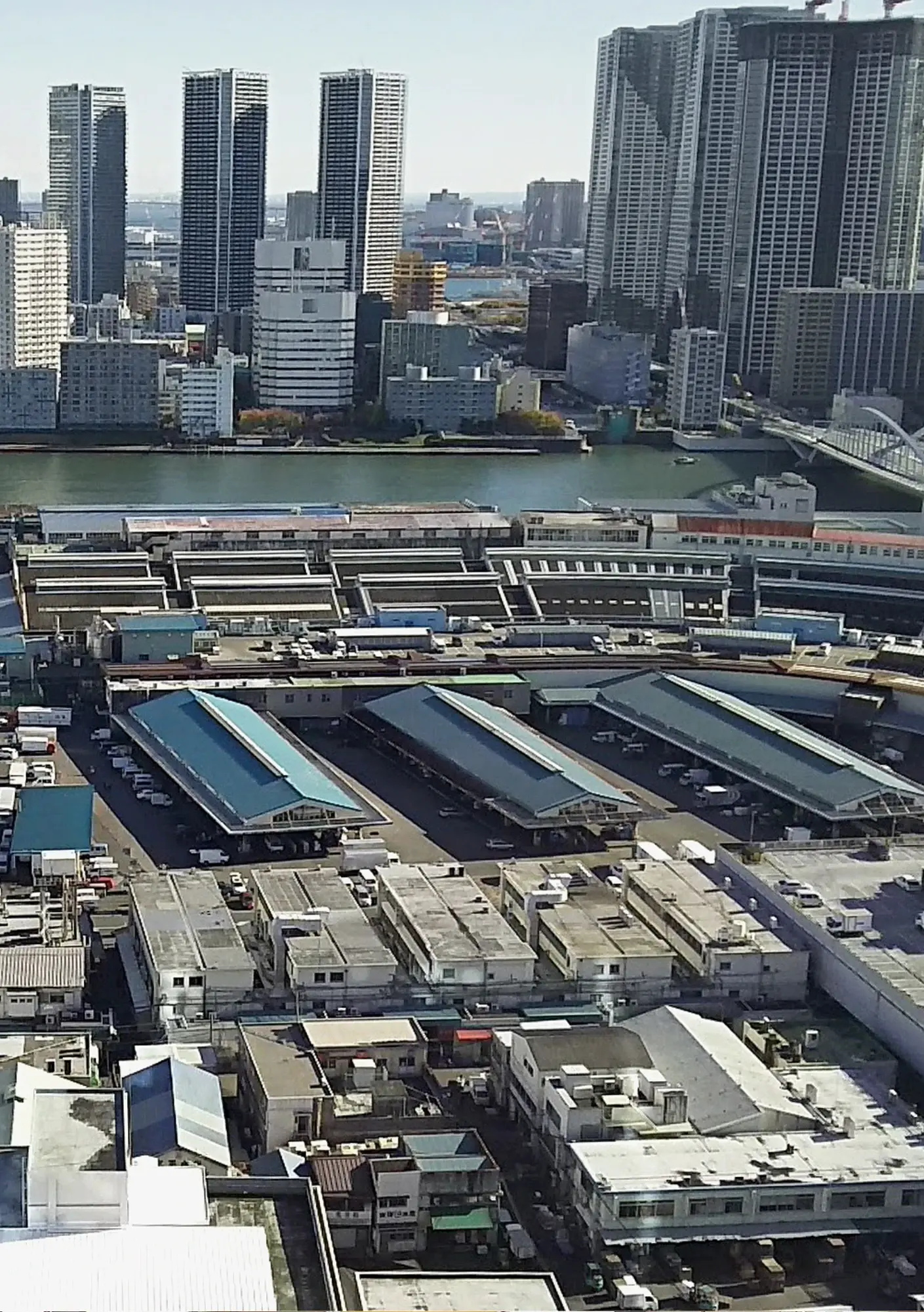
Toyosu Market: Where Innovation Meets Tradition
Experience Tokyo's cutting-edge fish market. Modern facilities blend sustainability with centuries-old auction traditions in this waterfront marvel.
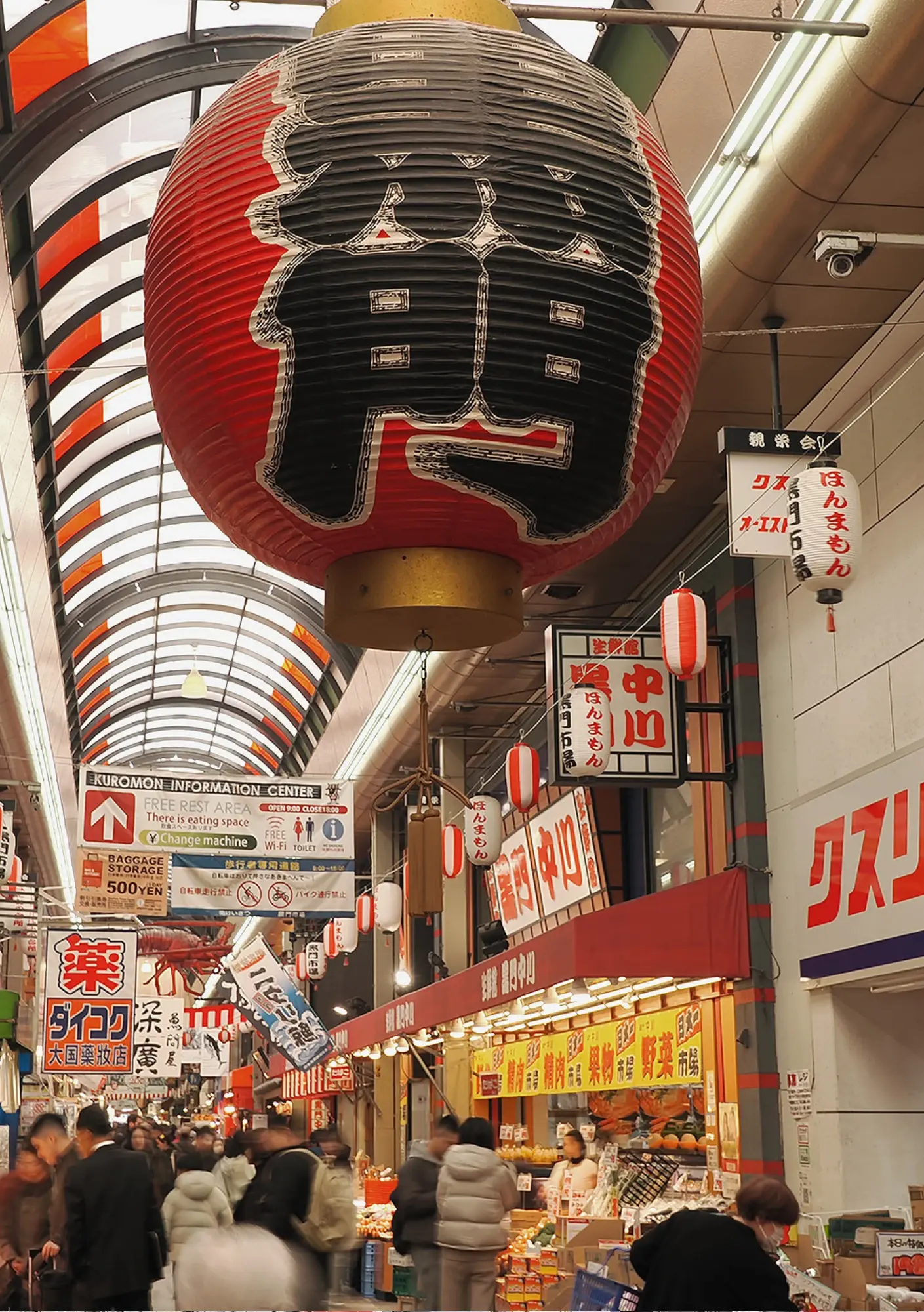
Kuromon Ichiba: Osaka's Vibrant Food Soul
Discover Osaka's Kitchen. Colorful lanterns guide you through 190 years of culinary heritage, fresh seafood, and warm omotenashi hospitality spirit.
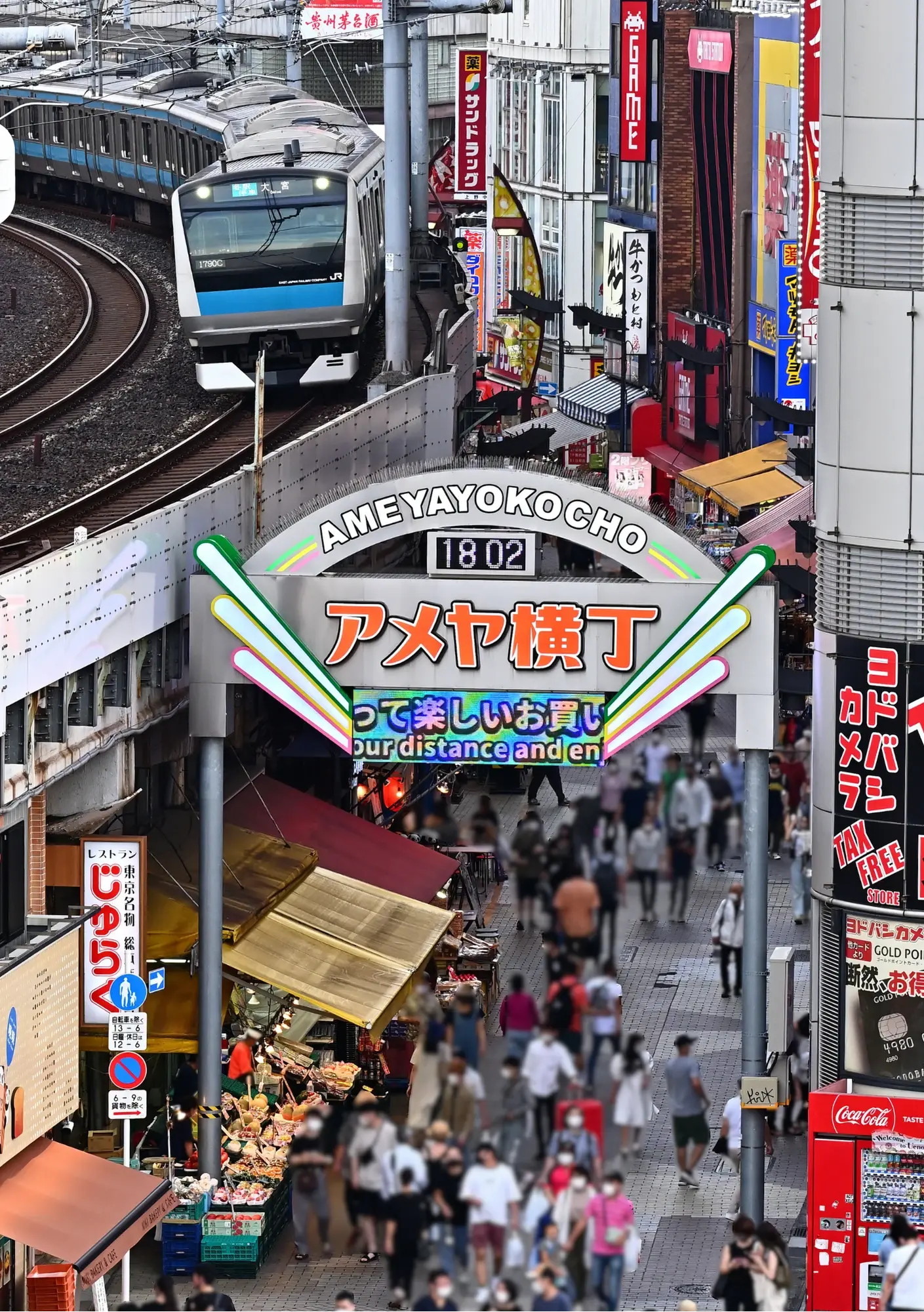
Tokyo's Historic Market Districts
Explore Tokyo's dynamic market culture. From bustling streets to hidden gems, experience authentic Japanese commerce where past meets present daily.
Trusted Information
text text text text text text text text text text text text text text text text text text text text text text text text text text text text text text text text text text text text text text text text text.

tea ceremony master
Taro Yamada
Taro Yamad is an acclaimed Master of the Urasenke Tea Ceremony. He teaches the profound art of Chanoyu in Kyoto and shares the spirit of wabi-sabi globally through demonstrations and lectures.
tea ceremony master
Taro Yamada
Taro Yamad is an acclaimed Master of the Urasenke Tea Ceremony. He teaches the profound art of Chanoyu in Kyoto and shares the spirit of wabi-sabi globally through demonstrations and lectures.
tea ceremony master
Taro Yamada
Taro Yamad is an acclaimed Master of the Urasenke Tea Ceremony. He teaches the profound art of Chanoyu in Kyoto and shares the spirit of wabi-sabi globally through demonstrations and lectures.
Sneak Peek Inside the Guide
You can read the first few pages as a preview.
To read the full version, please register using the form.
To read the full version, please register using the form.
