

Reading from Melbourne, I drew parallels to our cafe culture. Japanese tea is everywhere—matcha lattes, Fitzroy tea bars—yet this revealed depth beneath adoption.
What struck me: borrowed philosophy. Melbourne embraces matcha aesthetics but misses wabi-sabi's imperfection-as-beauty or ichi-go ichi-e. Contextualizes transcending visuals.
Regional cultivation fascinated me, mirroring single-origin coffee obsession. Producers distinguishing Uji from Shizuoka centuries ago—our sustainability catches up.
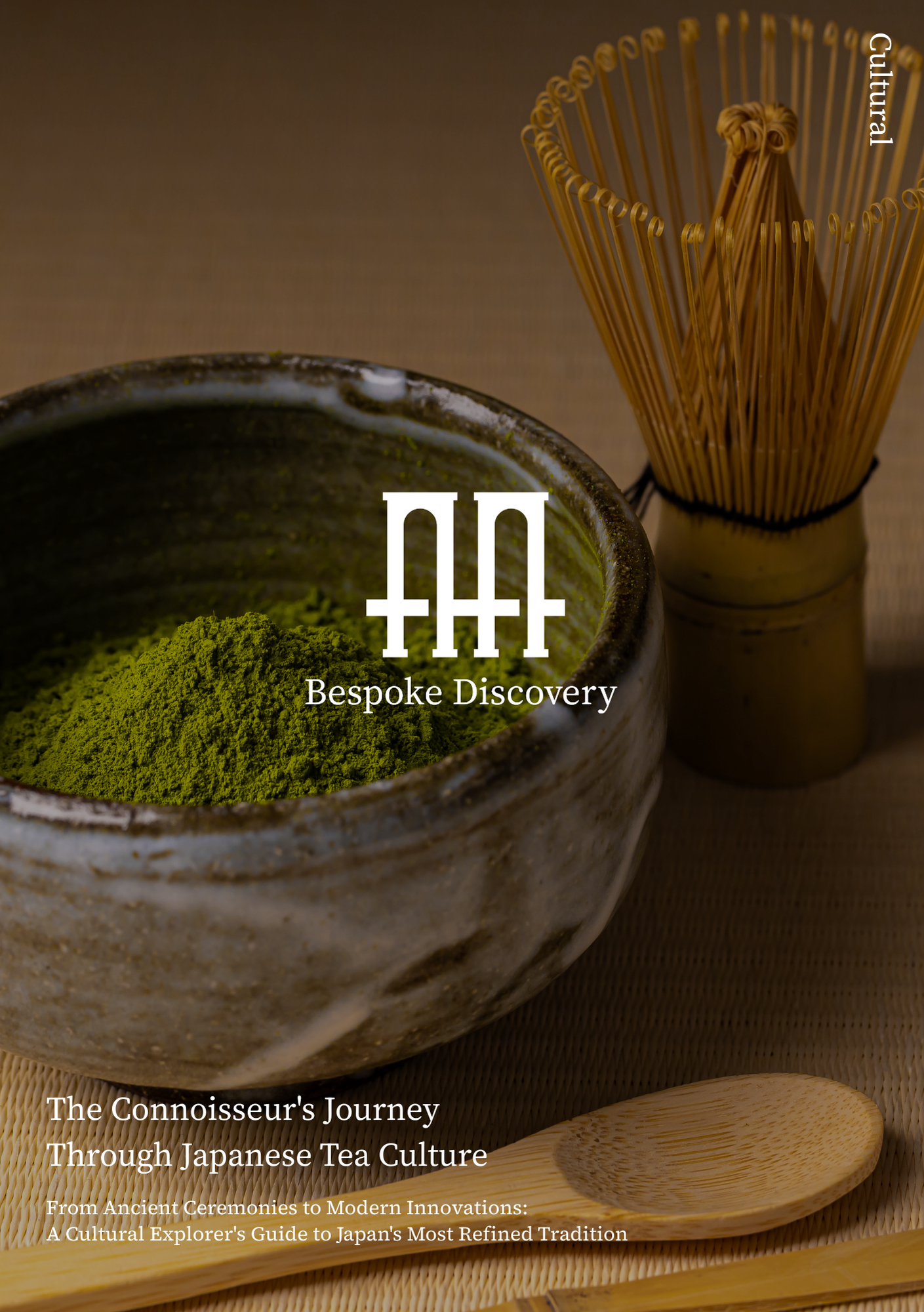
The Connoisseur's Journey Through Japanese Tea Culture
Tea
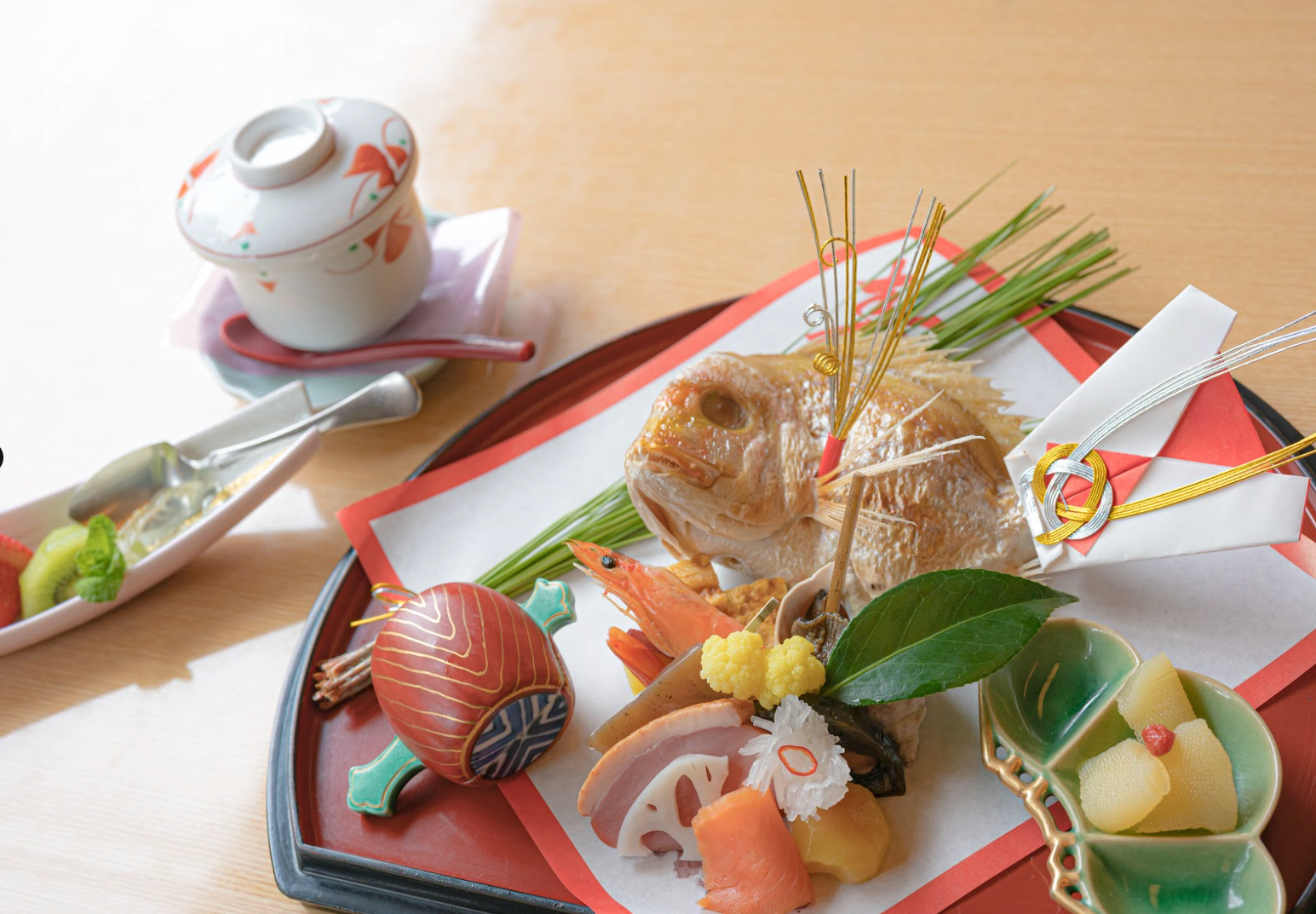
Food
Sado
Discover Japanese tea culture from Tokyo's modern salons to Kyoto's historic tea rooms. Explore centuries-old traditions blending with innovation. Learn wabi-sabi philosophy, master tea ceremony, understand regional terroirs, experience workshops with artisans, and create mindful tea rituals at home.
Experiences You’ll Get from This Guide
Japanese tea culture offers refined aesthetics and contemplative practice. In Tokyo, matcha creates stillness amid bustling streets. Tea ceremony directs awareness to vessels and gestures. Discover wabi-sabi philosophy, explore traditional and modern spaces, transform your journey into cultivation.
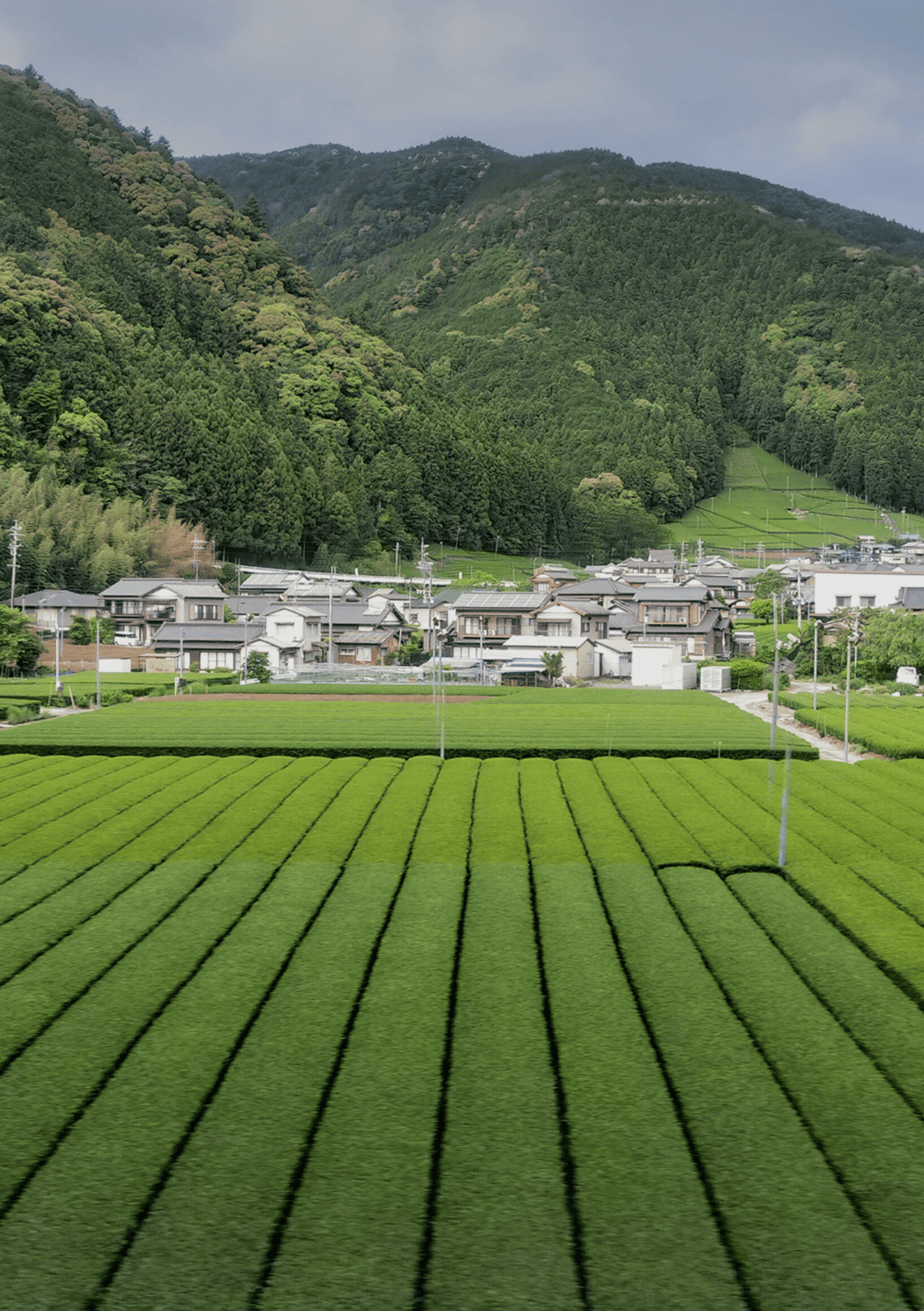
Japan's Tea Terroir: Where Mountains Meet Tradition
Discover regional terroirs from Shizuoka to Kyushu where soil, climate and tradition unite beautifully.
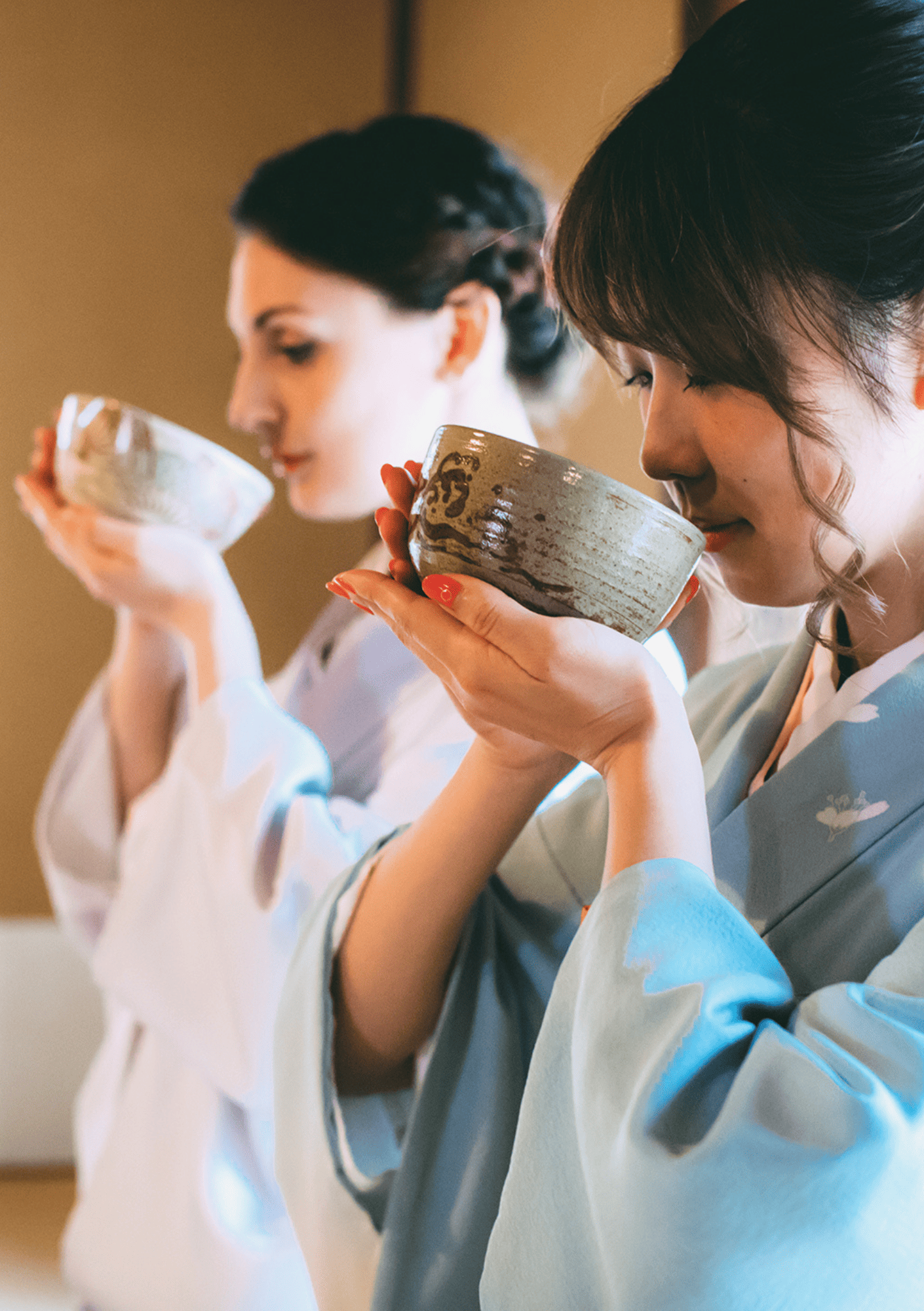
Tea Ceremony
Taste matcha from handcrafted bowls.Experience authentic tea ceremony's wabi-sabi aesthetics and mindful Tokyo tea tradition.
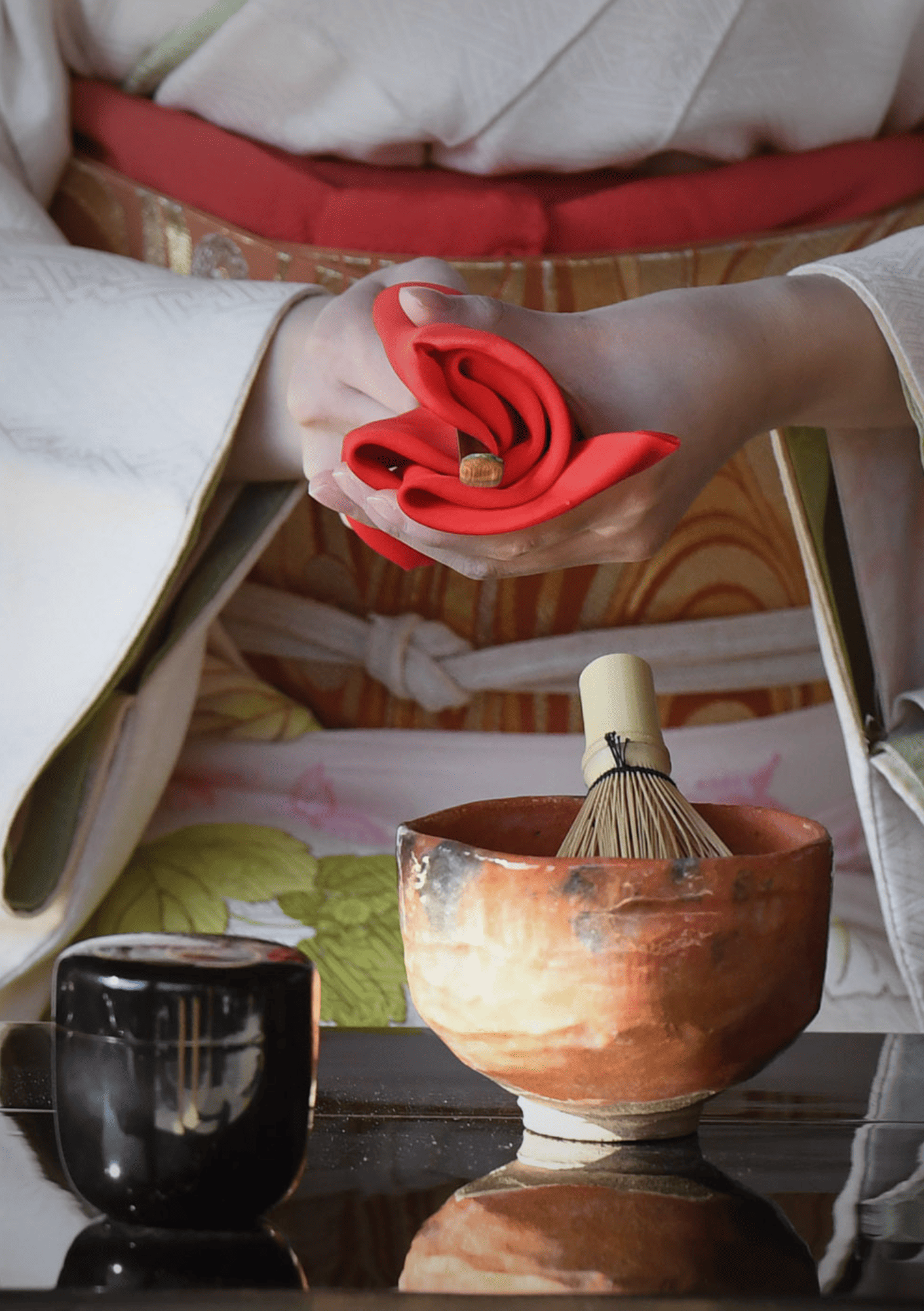
Artisan Tea Implements: Beauty in Imperfection
Traditional ceremony tools showcase wabi-sabi philosophy beautifully here. Bamboo whisk, Raku-ware bowl, and implements embody Japanese craftsmanship.
Trusted Information
text text text text text text text text text text text text text text text text text text text text text text text text text text text text text text text text text text text text text text text text text.

tea ceremony master
Taro Yamada
Taro Yamad is an acclaimed Master of the Urasenke Tea Ceremony. He teaches the profound art of Chanoyu in Kyoto and shares the spirit of wabi-sabi globally through demonstrations and lectures.
tea ceremony master
Taro Yamada
Taro Yamad is an acclaimed Master of the Urasenke Tea Ceremony. He teaches the profound art of Chanoyu in Kyoto and shares the spirit of wabi-sabi globally through demonstrations and lectures.
tea ceremony master
Taro Yamada
Taro Yamad is an acclaimed Master of the Urasenke Tea Ceremony. He teaches the profound art of Chanoyu in Kyoto and shares the spirit of wabi-sabi globally through demonstrations and lectures.
Sneak Peek Inside the Guide
You can read the first few pages as a preview.
To read the full version, please register using the form.
To read the full version, please register using the form.
