

What captivated me most was the guide's revelation of husbandry as ethical practice—the "care ethics" transforming cattle rearing into hospitality. The circular agriculture model, JGAP certification, and mottainai philosophy demonstrate how luxury and sustainability needn't conflict. I appreciated learning how Edo-period merchant aesthetics financed quality development, and how contemporary producers balance AI monitoring with ancestral massage techniques. The traceability system isn't mere marketing but trust architecture. This guide illuminated how Matsusaka Beef represents not indulgence but investment in cultural preservation—where choosing premium beef means endorsing sustainable craftsmanship over industrial expediency.
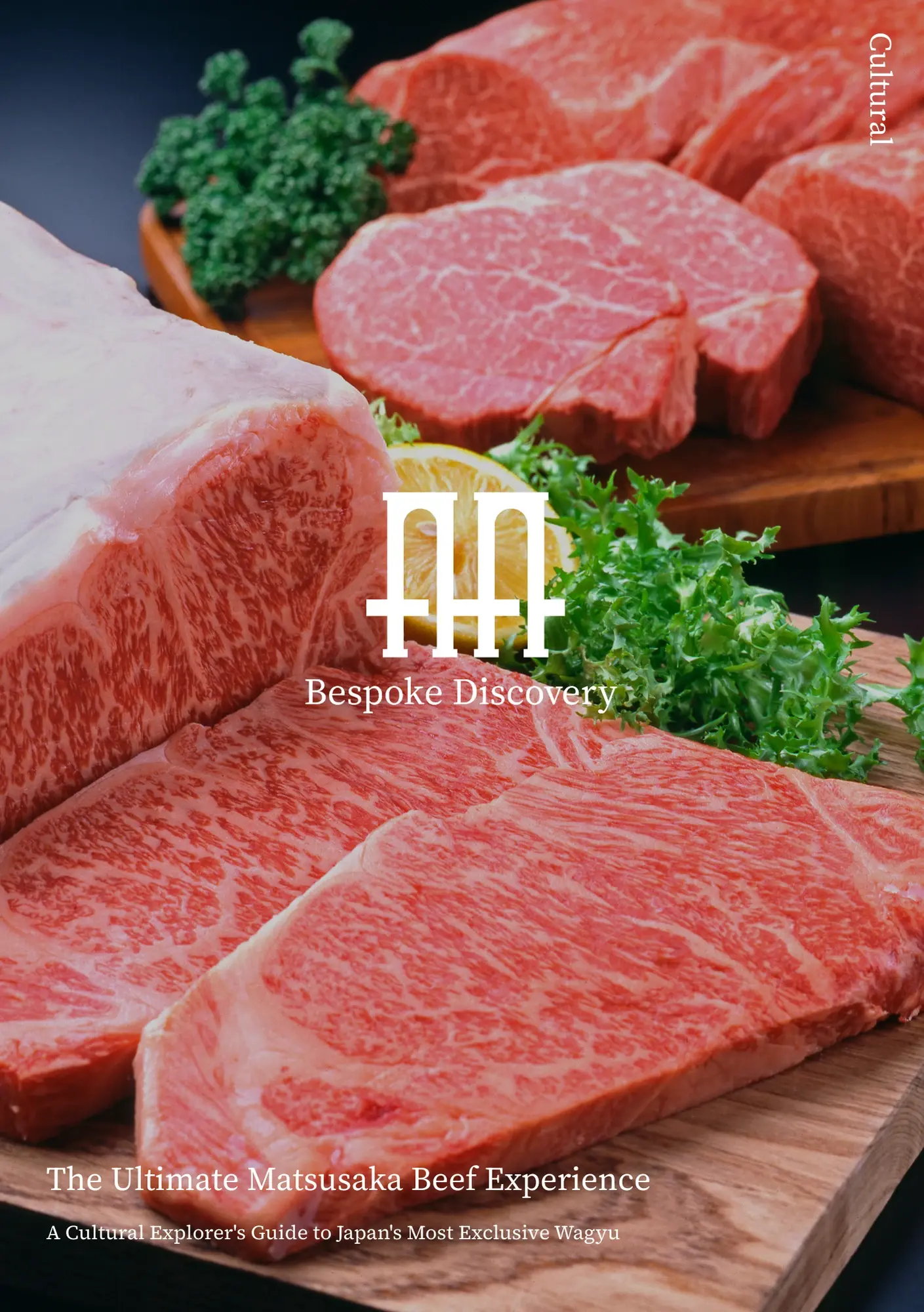
The Ultimate Matsusaka Beef Experience
Food
Beef
Matsusaka Beef represents Japanese wagyu's pinnacle—where Tajima lineage, 900-day fattening, and "care ethics" create meat melting at 17°C. This guide explores Mie's terroir, Tokyo's Michelin dining, Osaka's innovation, ranch visits, sake pairings, and cultural philosophy. Transform every bite into intellectual adventure through Japan's culinary heritage.
Experiences You’ll Get from This Guide
Matsusaka Beef stands as Japan's most celebrated wagyu—living cultural heritage where artistry and science converge. This guide unlocks secrets behind virgin Tajima heifers, 900-day fattening creating extraordinary marbling, and producers treating cattle like family. Experience elevated dining, explore terroir, and taste centuries of craftsmanship.
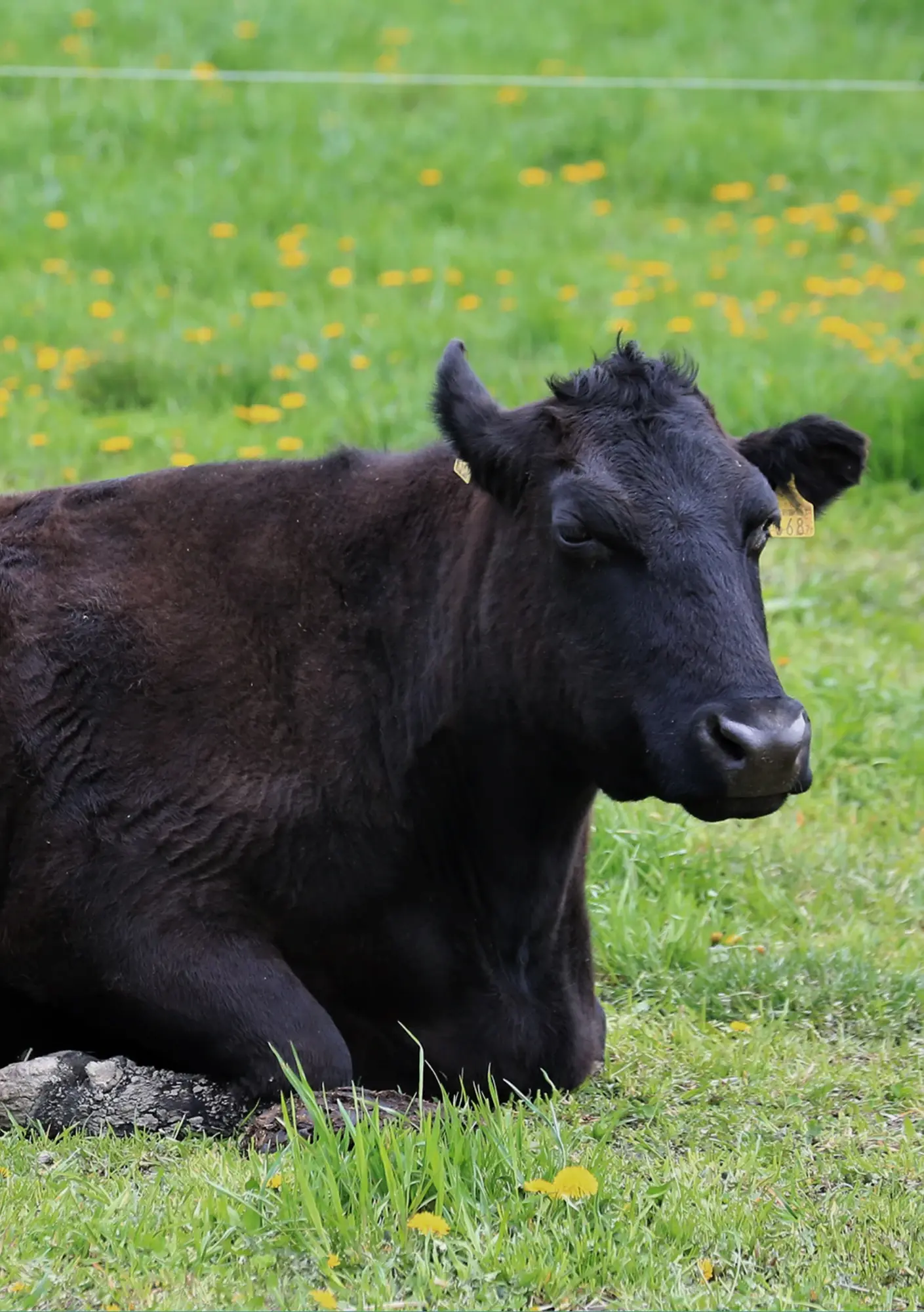
The Terroir of Excellence: Where Matsusaka Beef Begins
In Mie Prefecture's lush pastures, Japanese Black cattle graze freely under ideal conditions. Here, pristine mountain water, mild climate, and devoted farmers create the foundation for Matsusaka Beef's legendary quality—where each animal receives a name and family-like care.
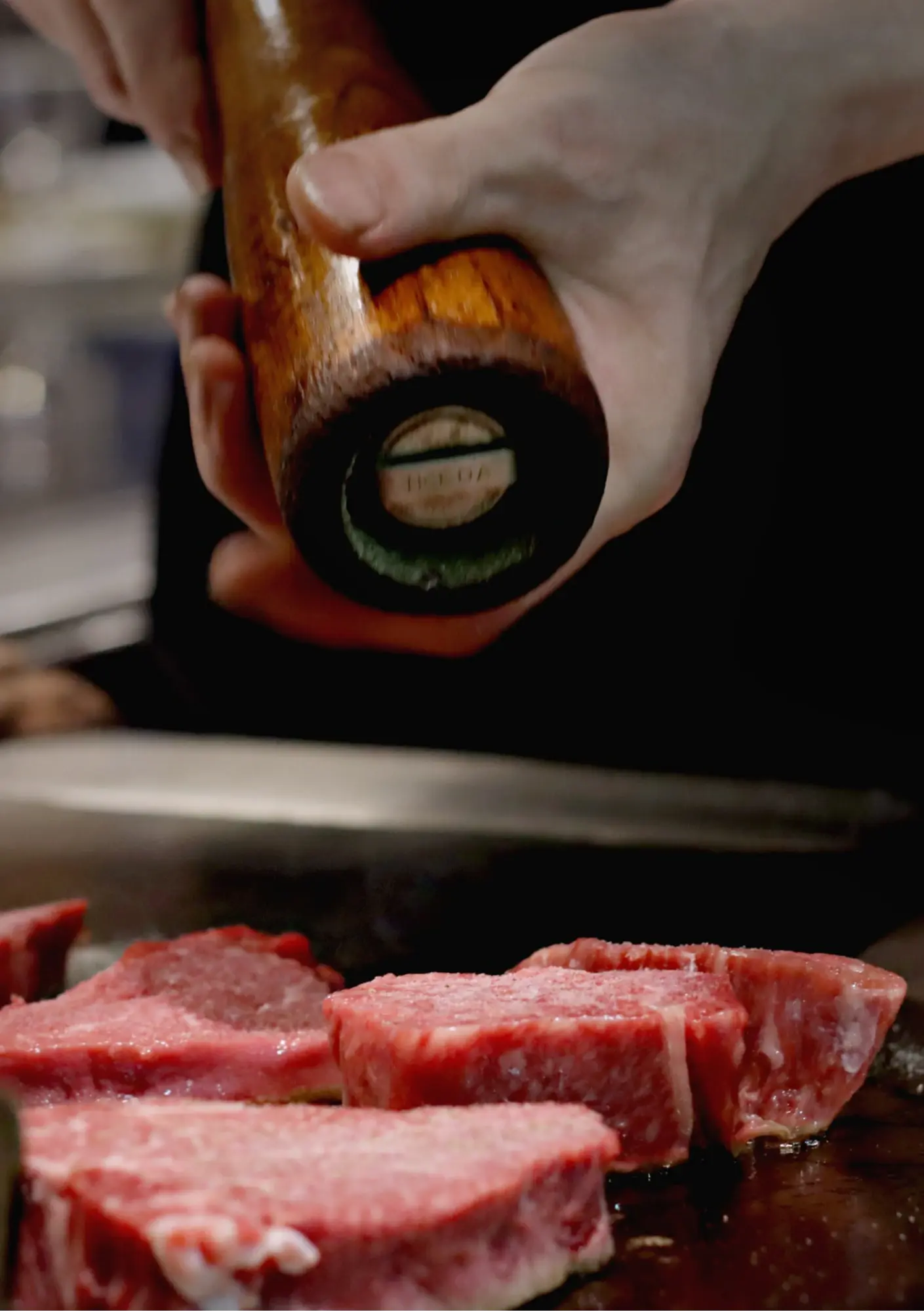
The Art of Preparation: Matsusaka Beef in Master Hands
At Tokyo's finest restaurants, master chefs honor Matsusaka Beef through precise technique and minimal intervention. Each cut reveals intricate marbling as artisans apply centuries of culinary wisdom to unlock the beef's extraordinary potential.
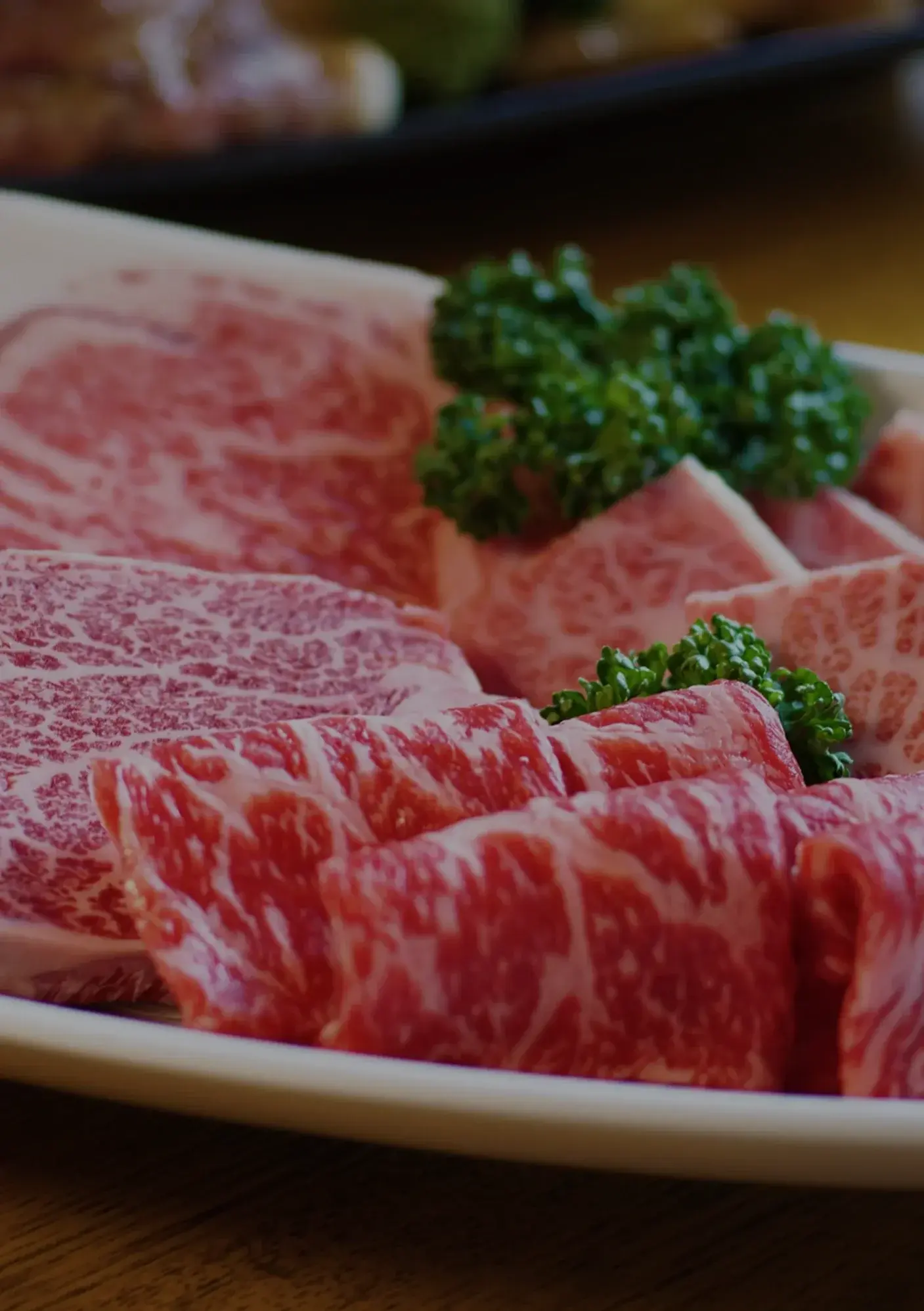
The Signature Marbling of Matsusaka Beef
The hallmark of Matsusaka Beef—intricate marbling resembling fine marquetry. White fat threads through pink lean like snowflakes, the result of 900-day fattening and devotion. This visual beauty promises the melt-in-mouth texture awaiting at 17°C.
Trusted Information
text text text text text text text text text text text text text text text text text text text text text text text text text text text text text text text text text text text text text text text text text.

tea ceremony master
Taro Yamada
Taro Yamad is an acclaimed Master of the Urasenke Tea Ceremony. He teaches the profound art of Chanoyu in Kyoto and shares the spirit of wabi-sabi globally through demonstrations and lectures.
tea ceremony master
Taro Yamada
Taro Yamad is an acclaimed Master of the Urasenke Tea Ceremony. He teaches the profound art of Chanoyu in Kyoto and shares the spirit of wabi-sabi globally through demonstrations and lectures.
tea ceremony master
Taro Yamada
Taro Yamad is an acclaimed Master of the Urasenke Tea Ceremony. He teaches the profound art of Chanoyu in Kyoto and shares the spirit of wabi-sabi globally through demonstrations and lectures.
Sneak Peek Inside the Guide
You can read the first few pages as a preview.
To read the full version, please register using the form.
To read the full version, please register using the form.
