

I honestly loved this guide. The visuals are stunning, but more than that, the whole vibe feels calm, thoughtful, and beautifully curated. Every page made me stop scrolling and actually look. I didn’t expect to feel so connected to the stories behind the food—kaiseki, street stalls, even sweets felt meaningful in a new way. You can really feel the care and intention of the creators in both the design and the writing. Huge respect for making something that’s not just pretty, but genuinely inspiring. This is the kind of content you want to save and come back to.
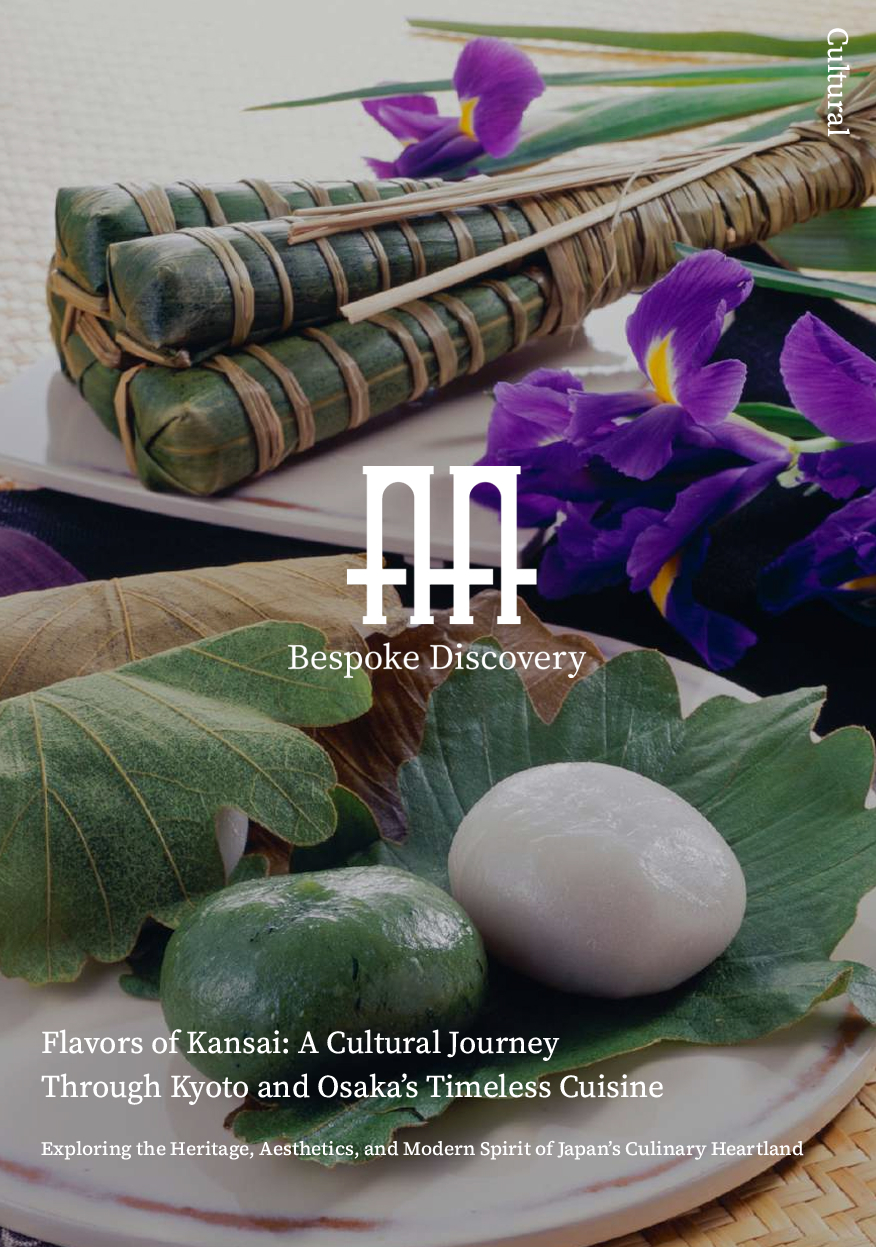
Flavors of Kansai: A Cultural Journey Through Kyoto and Osaka’s Timeless Cuisine
Food
Kansai
Osaka
This digital guide explores Kansai cuisine as a living expression of Japanese culture. Through Kyoto and Osaka, it reveals how history, craftsmanship, and everyday food—from kaiseki to street stalls—shape values of harmony, hospitality, and sustainability.
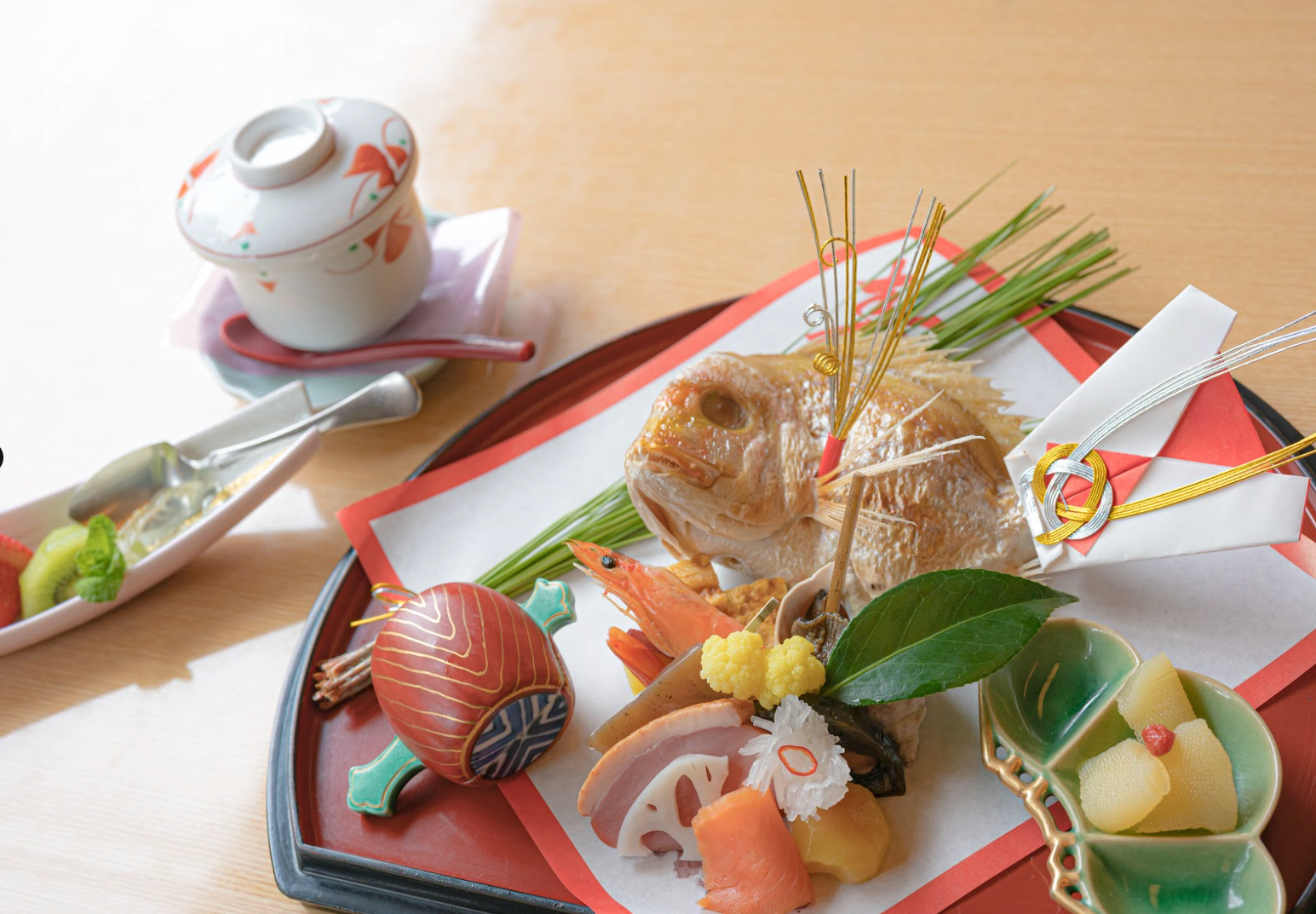
Experiences You’ll Get from This Guide
Flavors of Kansai is a cultural guide to Japan’s culinary heartland, exploring how Kyoto’s refined traditions and Osaka’s vibrant street food express history, aesthetics, and hospitality. Beyond taste, it reveals cuisine as a language of values, balance, and everyday life.
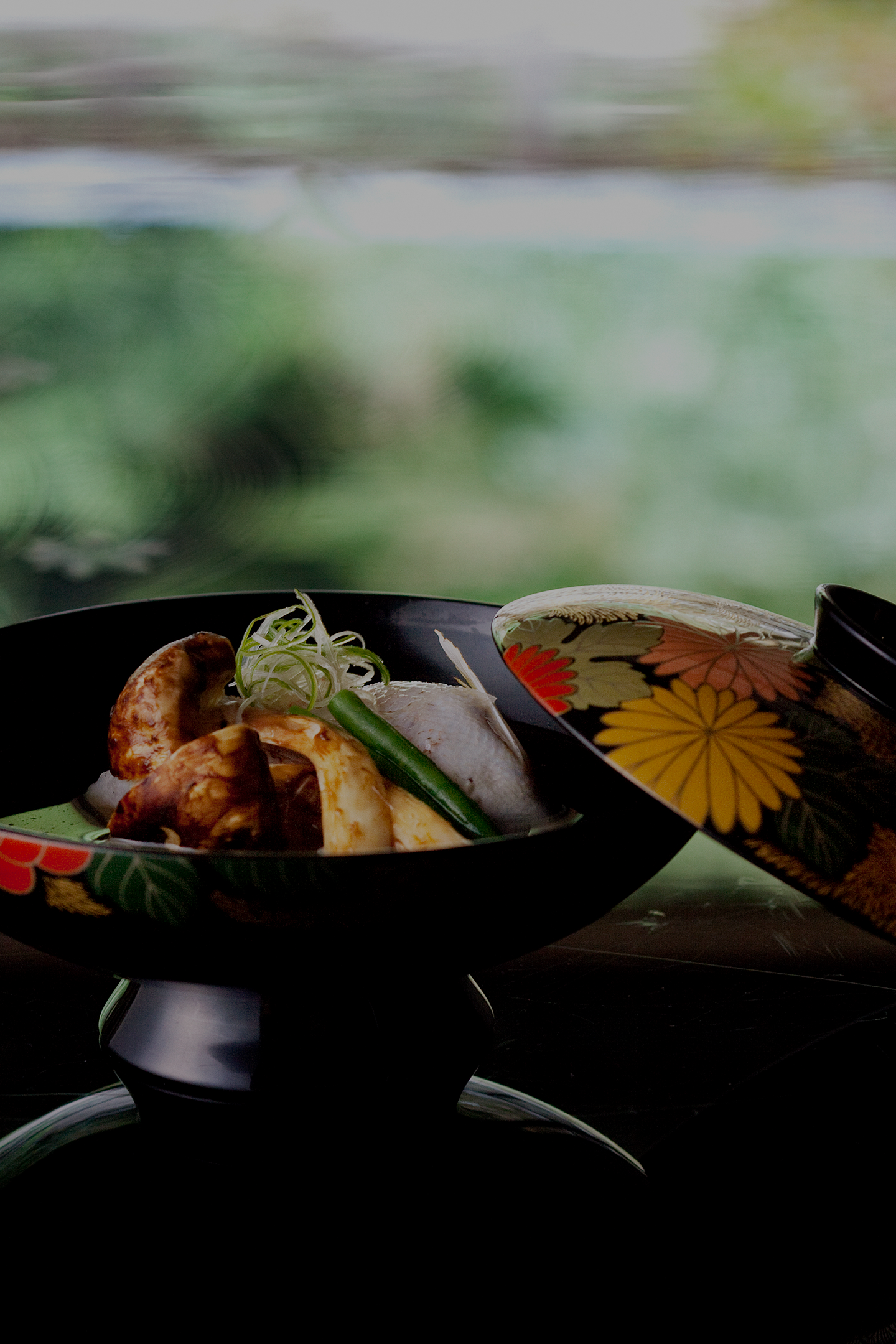
Kansai Cuisine as Cultural Art
Discover how Kansai cuisine reflects Japanese aesthetics and philosophy, where seasonality, restraint, and craftsmanship transform a meal into a quiet cultural dialogue.
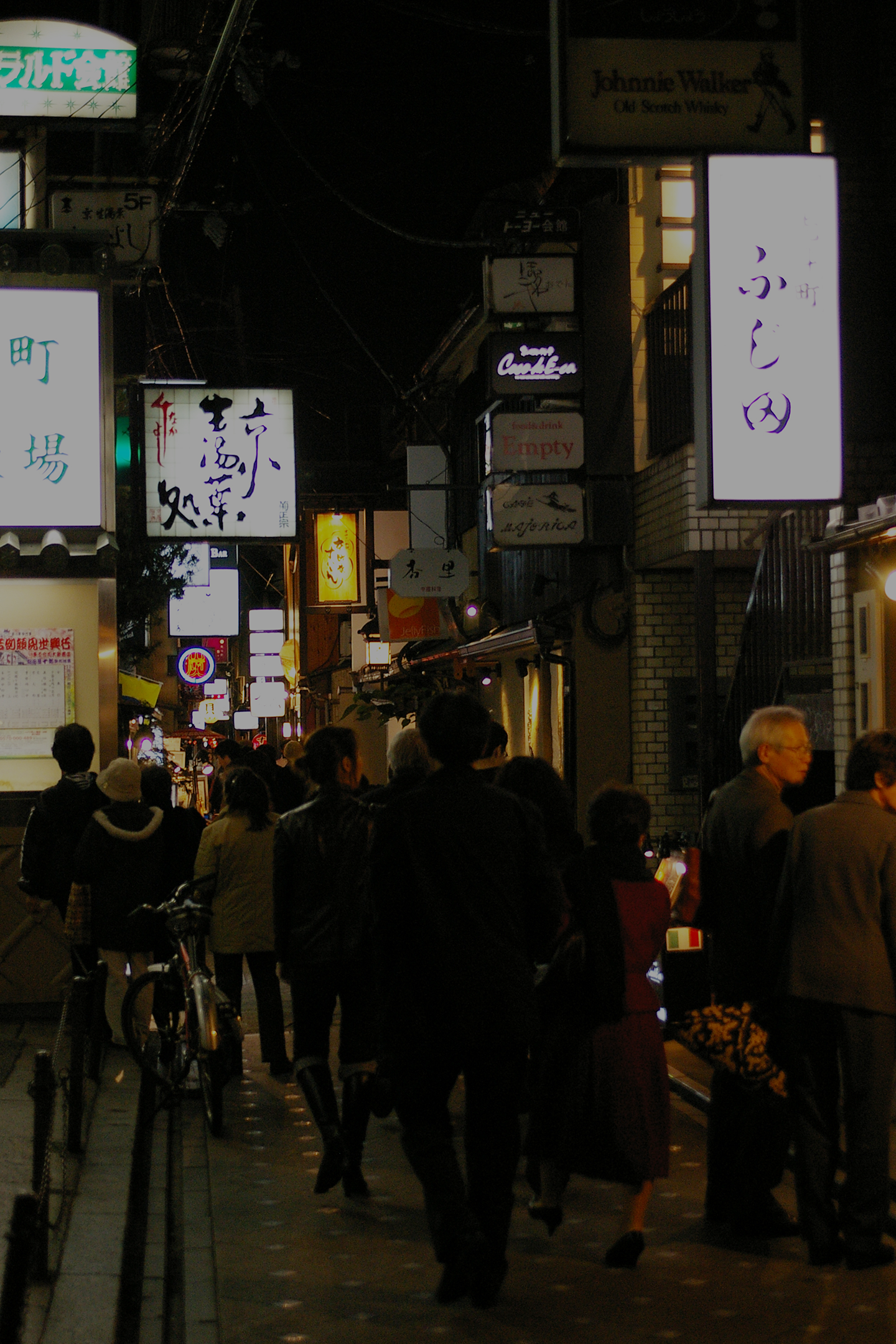
Osaka’s Living Food Culture
Step into Osaka’s vibrant streets, where food is social, joyful, and deeply human—revealing how everyday eating expresses community, humor, and hospitality.
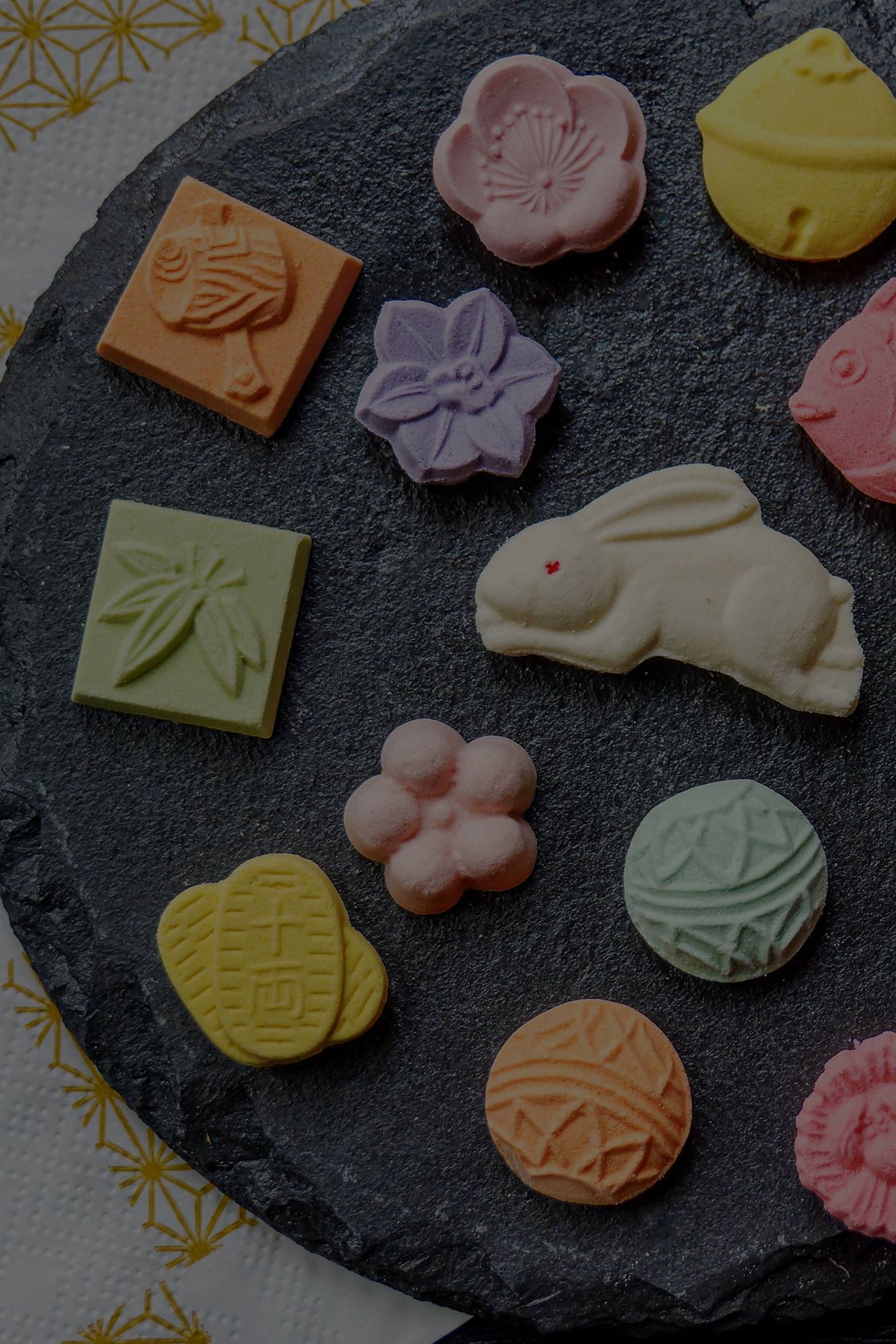
Seasonality in Japanese Sweets
Explore wagashi as edible symbols of time and nature, where color, form, and flavor express Japan’s sensitivity to seasons and fleeting beauty.
Trusted Information
text text text text text text text text text text text text text text text text text text text text text text text text text text text text text text text text text text text text text text text text text.

tea ceremony master
Taro Yamada
Taro Yamad is an acclaimed Master of the Urasenke Tea Ceremony. He teaches the profound art of Chanoyu in Kyoto and shares the spirit of wabi-sabi globally through demonstrations and lectures.
tea ceremony master
Taro Yamada
Taro Yamad is an acclaimed Master of the Urasenke Tea Ceremony. He teaches the profound art of Chanoyu in Kyoto and shares the spirit of wabi-sabi globally through demonstrations and lectures.
tea ceremony master
Taro Yamada
Taro Yamad is an acclaimed Master of the Urasenke Tea Ceremony. He teaches the profound art of Chanoyu in Kyoto and shares the spirit of wabi-sabi globally through demonstrations and lectures.
Sneak Peek Inside the Guide
You can read the first few pages as a preview.
To read the full version, please register using the form.
To read the full version, please register using the form.
