


As someone who has spent years studying where Eastern and Western traditions converge and diverge, I found this guide unusually honest about what separates them. The Western traveler, trained to consume experiences, is gently redirected toward something slower: the deliberate bow, cold water on the hands, intention held in silence. What Shinto encodes in gesture, we in the West articulate in language—and something is always lost in translation. This guide bridges that gap not by simplifying Japan for outside eyes, but by trusting the reader to meet it on its own terms. That is a respect I did not expect.
Sacred Tokyo: A Refined Guide to Shrines and the Spiritual Heart of Hatsumōde
Tokyo's shrines are living systems, not mere relics. This guide moves through Shinto's full architecture—purification logic, the sacred groves that reset the nervous system, and hatsumōde reframed as an intentional practice—examining Tokyo's most tranquil sacred precincts as mechanisms for renewals.
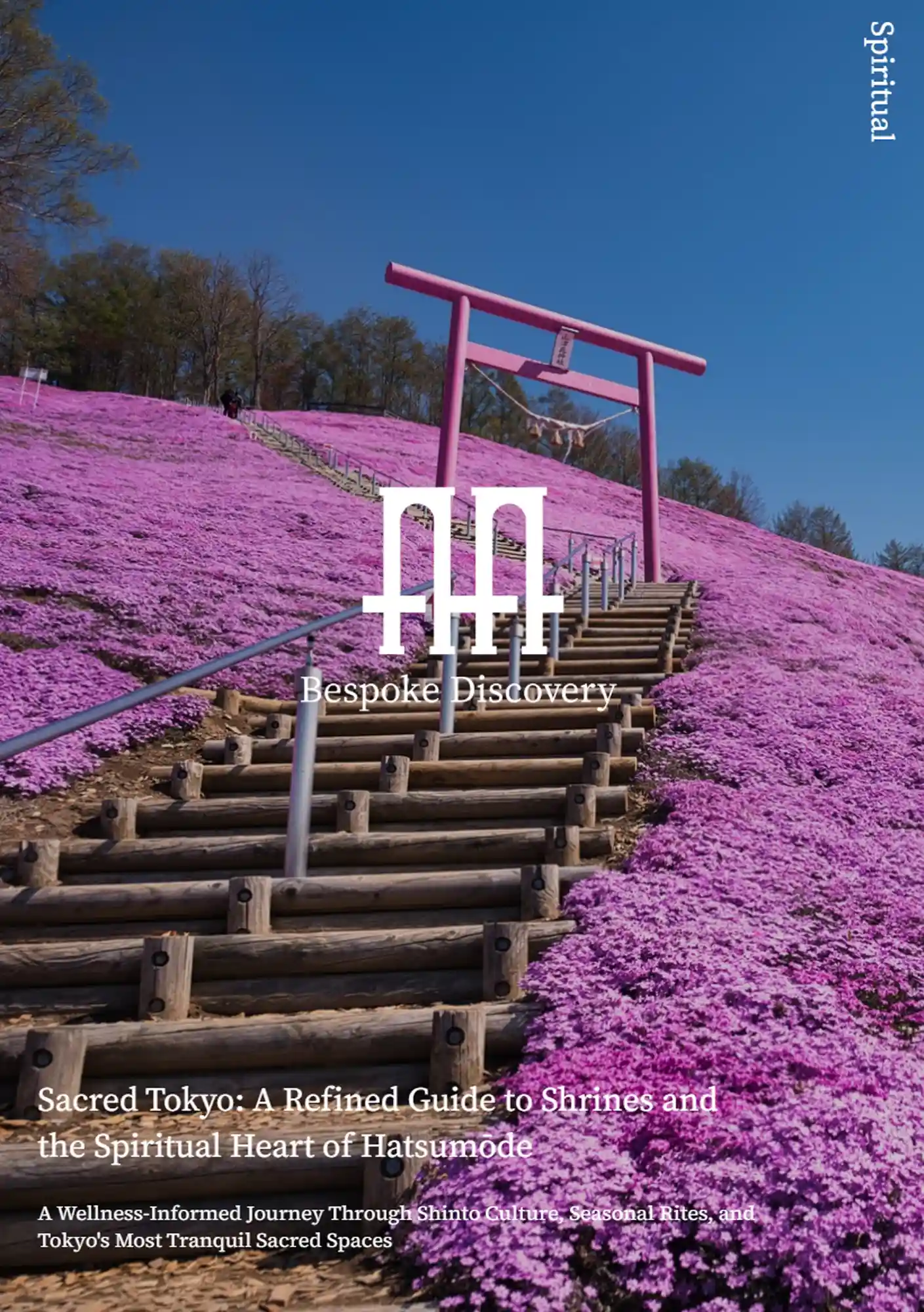
Experiences You’ll Get from This Guide
Between Tokyo's towers, another city persists—measured in gravel underfoot and quiet forest air. Shrines are operating systems, calibrated over centuries to receive a year's weight and return clarity. This guide covers Shinto's foundations, shrine visit grammar, and hatsumōde as intentional renewal.
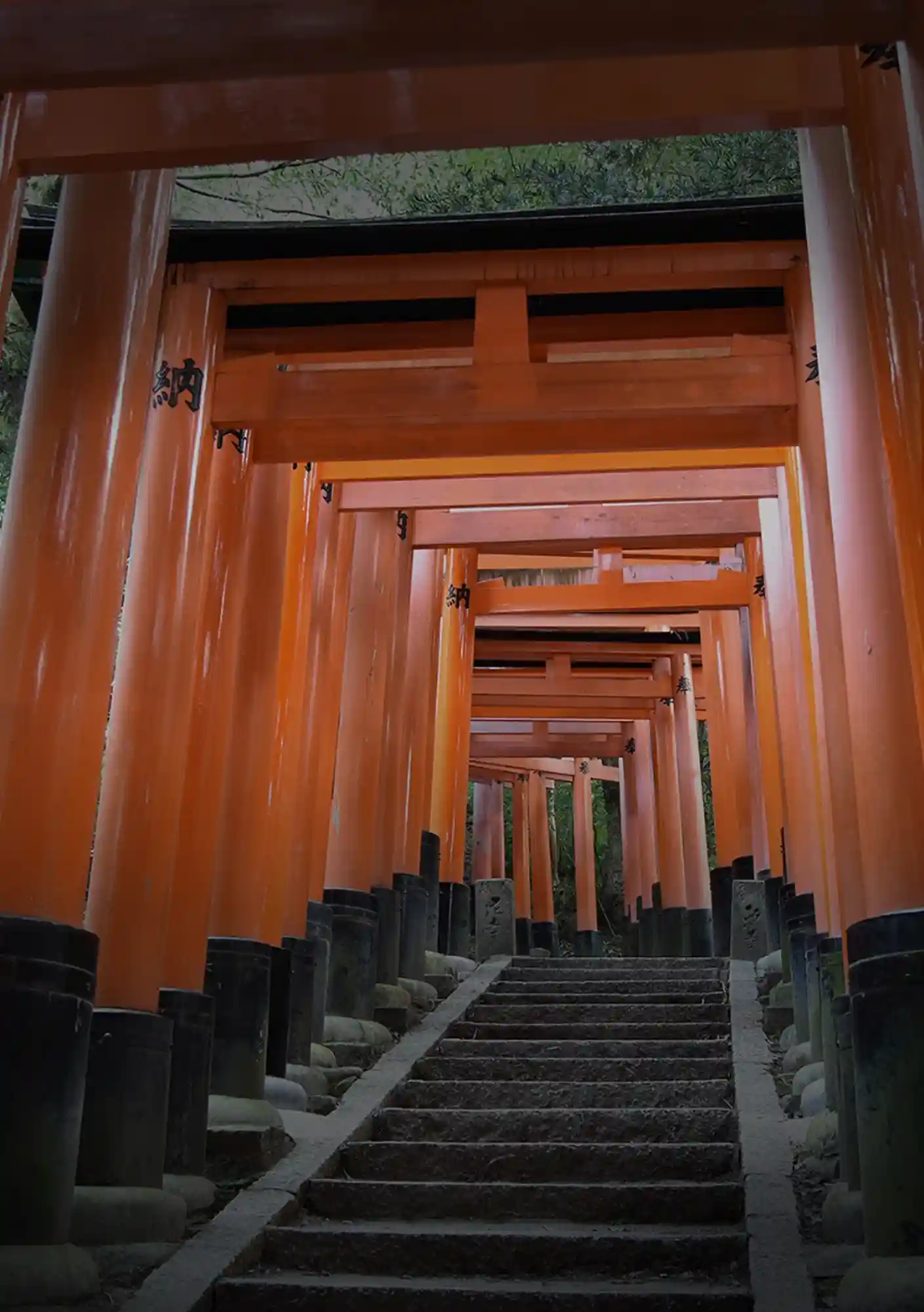
The Threshold Repeats
Each torii is a threshold—returned to, not passed once. The vermilion corridor compresses space and time, pulling visitors along a path centuries old.
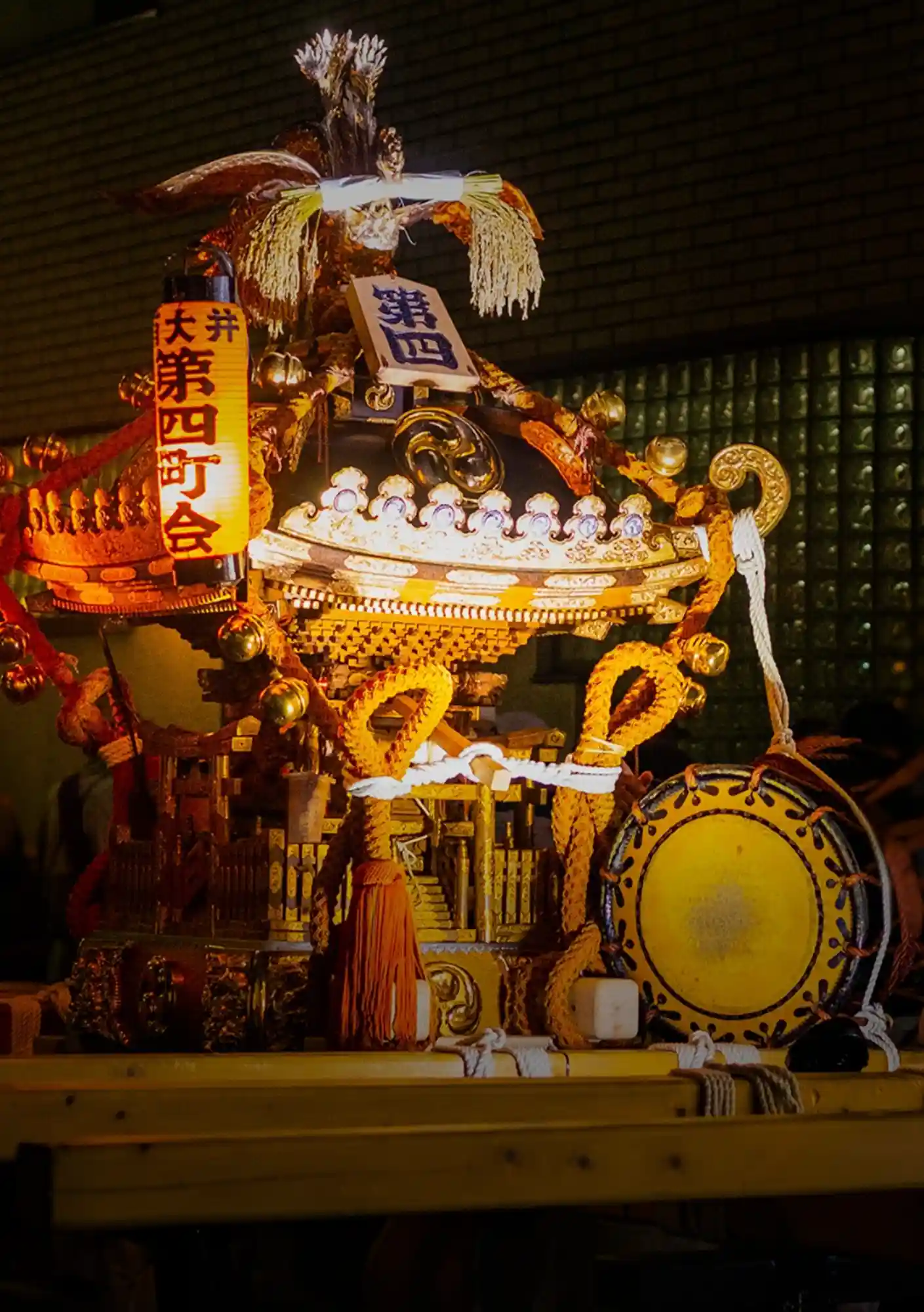
The Festival Moves
A mikoshi moves through the night streets, lacquer gleaming under lantern lights. The procession renews what holds the sacred and ordinary in balance.
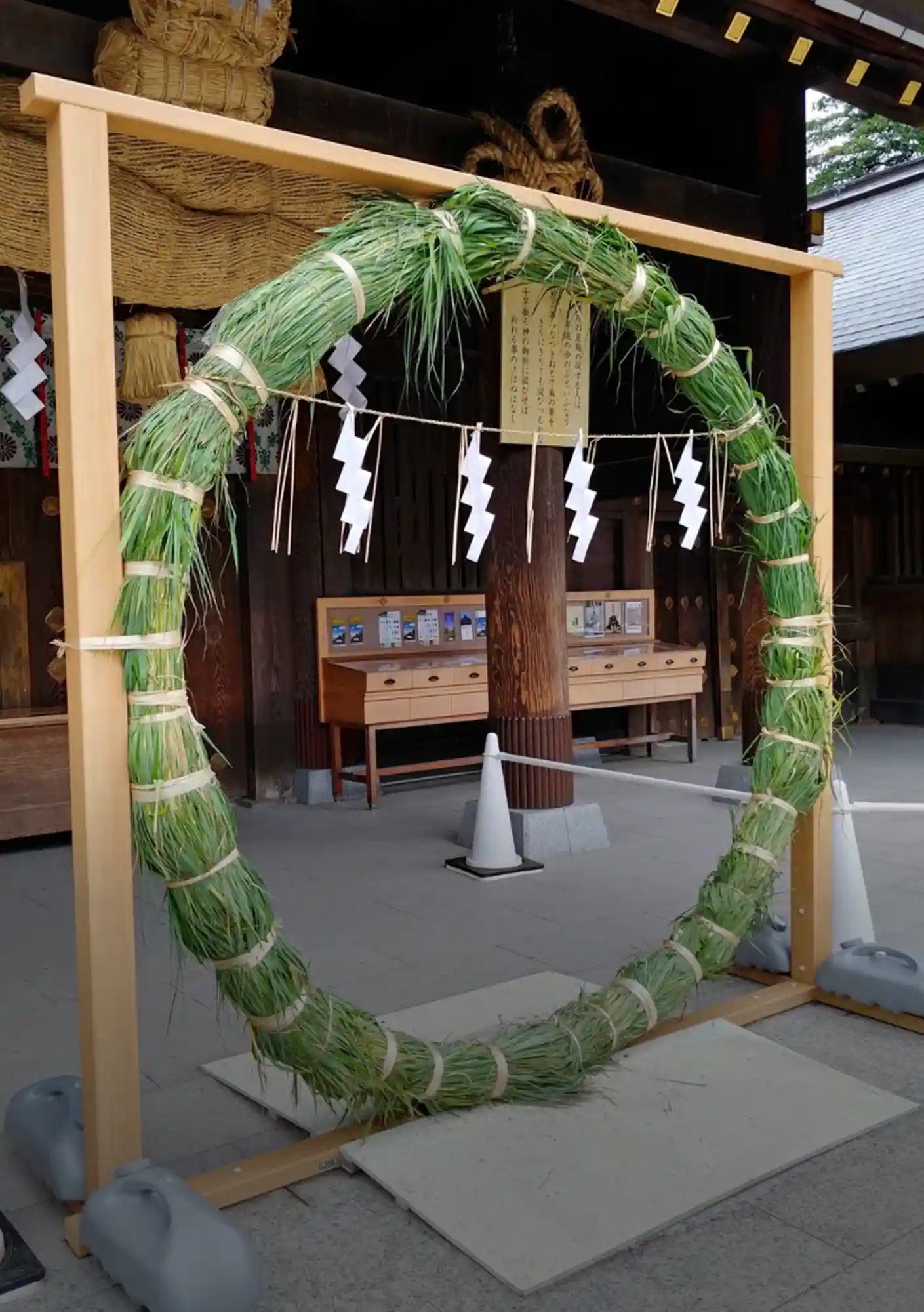
Purification in Form
The chinowa—a ring of miscanthus grass—stands at shrine entrances each summer. Passing through is harae made physical: a full-body reset in a gesture.
Trusted Information
text text text text text text text text text text text text text text text text text text text text text text text text text text text text text text text text text text text text text text text text text.

tea ceremony master
Taro Yamada
Taro Yamad is an acclaimed Master of the Urasenke Tea Ceremony. He teaches the profound art of Chanoyu in Kyoto and shares the spirit of wabi-sabi globally through demonstrations and lectures.
tea ceremony master
Taro Yamada
Taro Yamad is an acclaimed Master of the Urasenke Tea Ceremony. He teaches the profound art of Chanoyu in Kyoto and shares the spirit of wabi-sabi globally through demonstrations and lectures.
tea ceremony master
Taro Yamada
Taro Yamad is an acclaimed Master of the Urasenke Tea Ceremony. He teaches the profound art of Chanoyu in Kyoto and shares the spirit of wabi-sabi globally through demonstrations and lectures.
Sneak Peek Inside the Guide
You can read the first few pages as a preview.
To read the full version, please register using the form.
To read the full version, please register using the form.
