

What distinguishes this guide is its clear-eyed articulation of fundamental differences in spiritual architecture. Where Western tradition builds monuments to transcendence, Shinto shrines cultivate immanence—the divine dwelling in grain patterns and forest silence. The authors expertly contrast our covenant-based theology with Japan's partnership model, where kami adapt to human needs rather than demanding submission. I found the discussion of kegare versus sin particularly illuminating: not moral failure requiring forgiveness, but vital energy requiring restoration. The two-bow-two-clap sequence as parasympathetic activation reveals how ritual gesture becomes mind-body medicine—practical wisdom our stress-saturated culture desperately needs.
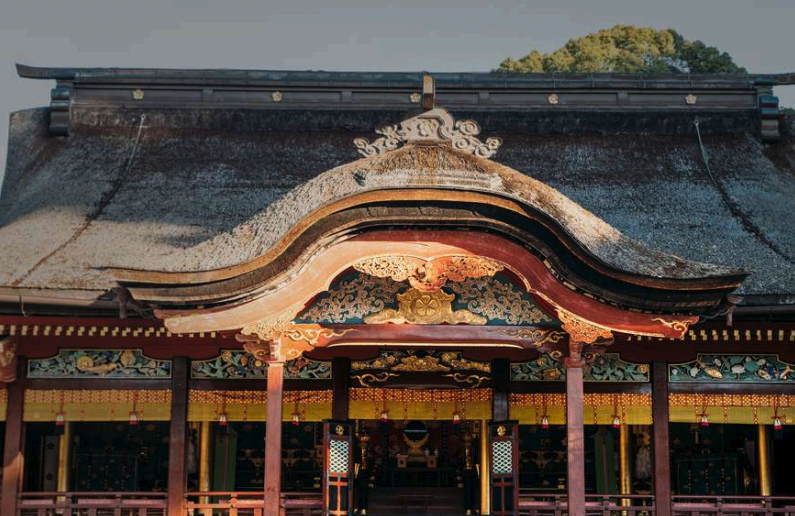
The Sacred Path: A Sophisticated Traveler's Guide to Japan's Shrine Culture and Shinto Spirituality
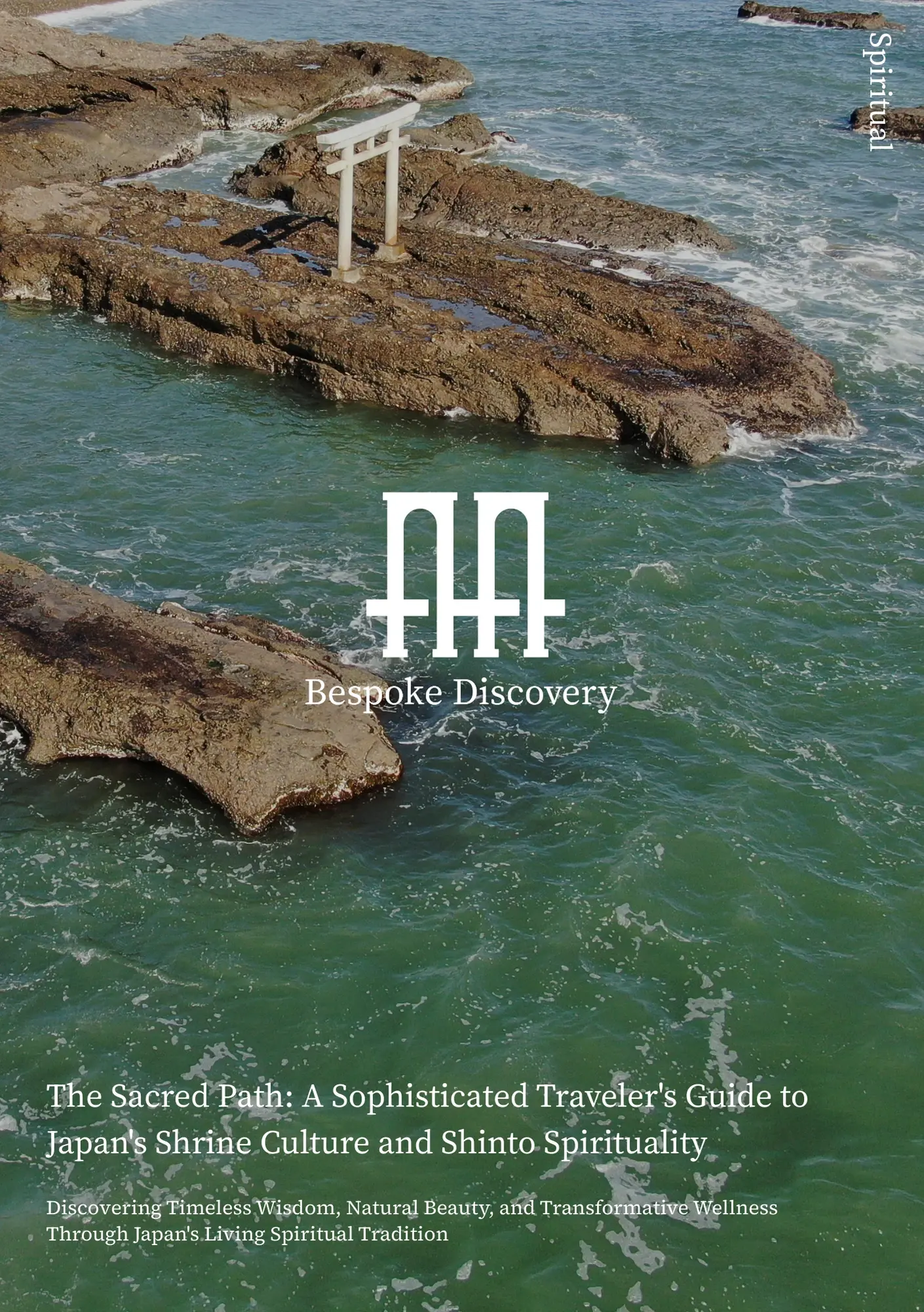
Experiences You’ll Get from This Guide
Step beyond the torii gate into Japan's living spiritual culture. This guide reveals Shinto shrines as transformative destinations where ancient wisdom meets modern wellness. Discover sacred architecture, seasonal rituals, and mindful practices that enrich sophisticated travelers seeking authentic cultural immersion.
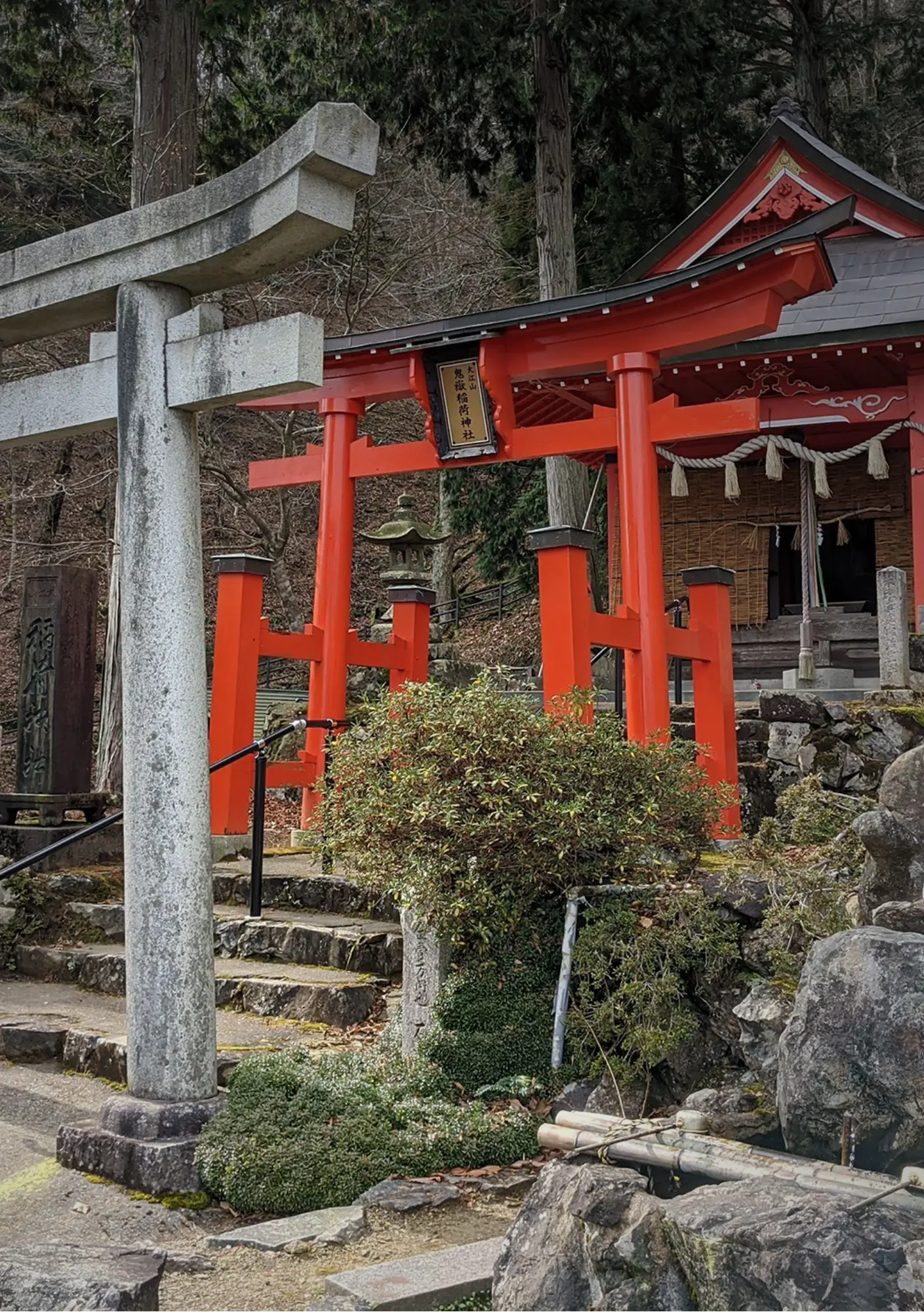
Sacred Thresholds and Purification Rituals
Experience the transformative journey through vermilion torii gates and purification basins. These architectural elements mark transitions from ordinary to sacred, where water rituals prepare mind and body for spiritual encounter in Japan's mountain shrines.
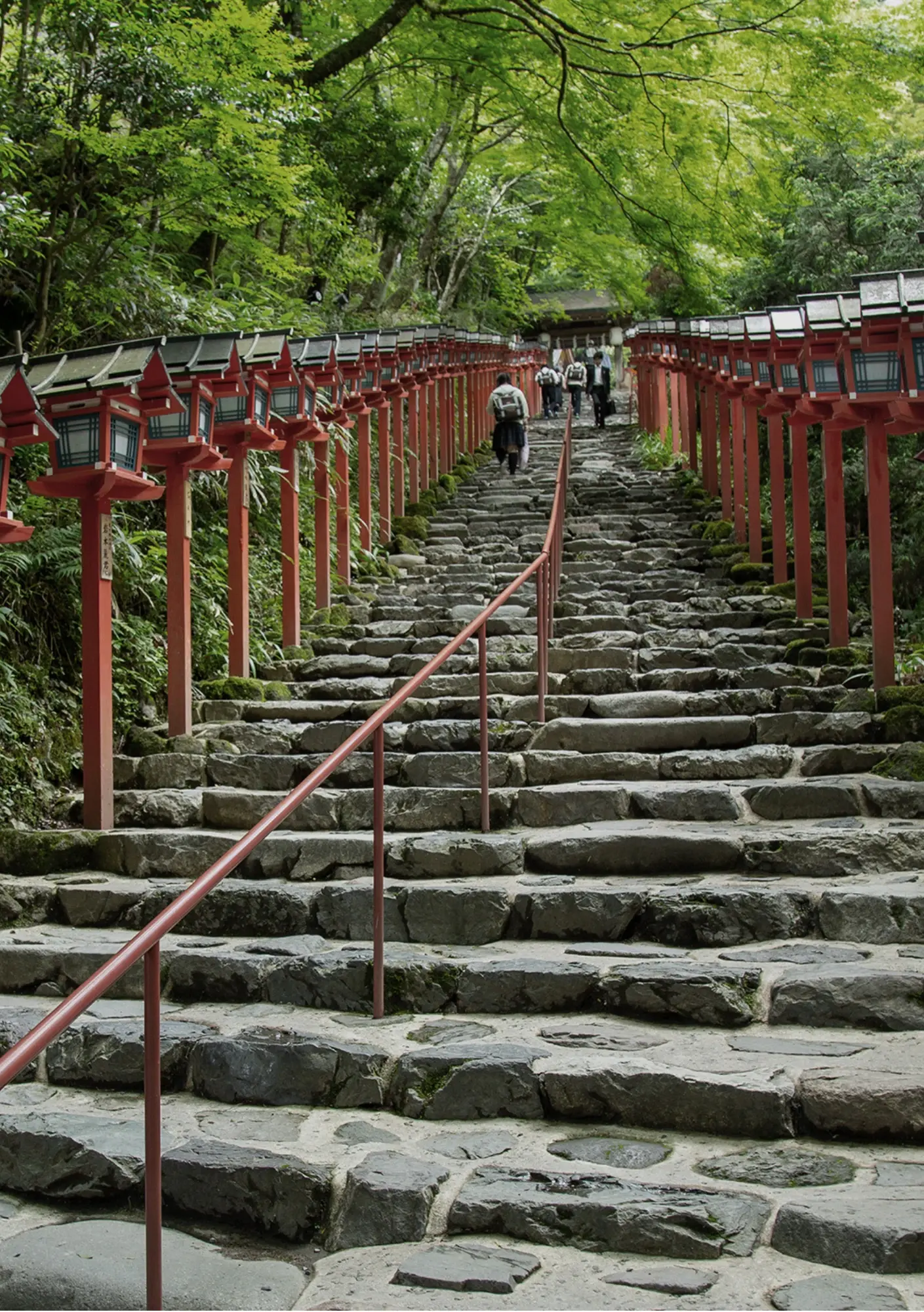
The Pilgrimage Path to Awakening
Ancient stone steps lined with countless torii gates create a rhythmic ascent into sacred space. Each step becomes walking meditation, where the physical journey mirrors inner transformation through Japan's spiritual landscapes.
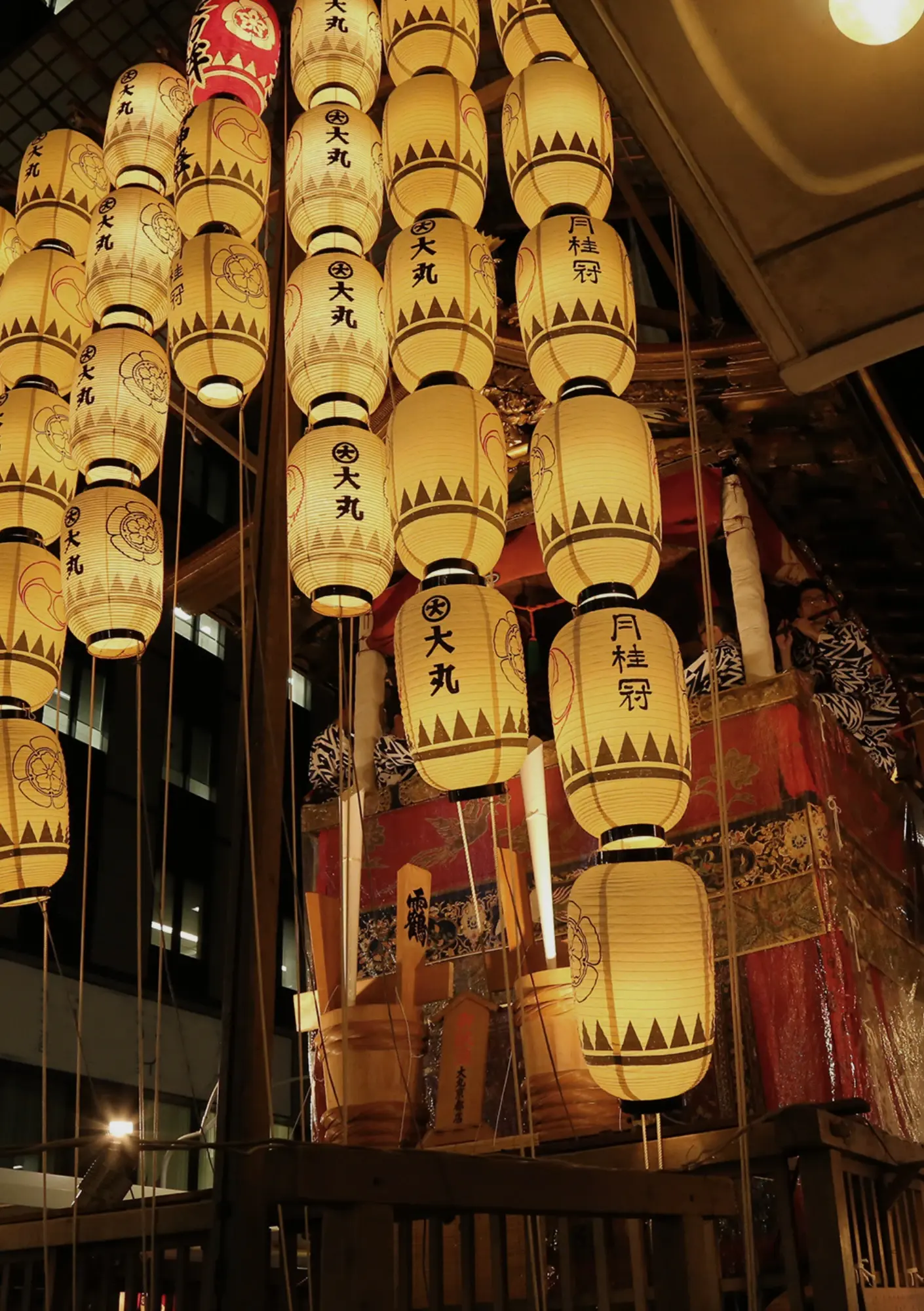
Festivals of Light and Community Renewal
Traditional paper lanterns illuminate seasonal festivals where communities gather for renewal. These vibrant celebrations connect ancient ritual with contemporary life, revealing how Shinto festivals function as collective wellness practices.
Trusted Information

Sneak Peek Inside the Guide
To read the full version, please register using the form.
