

This guide reveals sushi as temporal meditation—where centuries dissolve into single, perfect moments. Each chapter unfolds like carefully composed haiku: the itamae's hands become vessels of accumulated wisdom, rice grains align with seasonal rhythms, and Edo's bustling streets whisper through contemporary counters. The narrative gracefully braids tradition with innovation, wabi-sabi aesthetics with scientific precision, sustainability with ancient reverence. Here, dining transcends consumption; it becomes communion with time itself. For those who seek not merely to taste Japan, but to comprehend its philosophical essence through culinary poetry, this exquisite guide offers profound enlightenment."
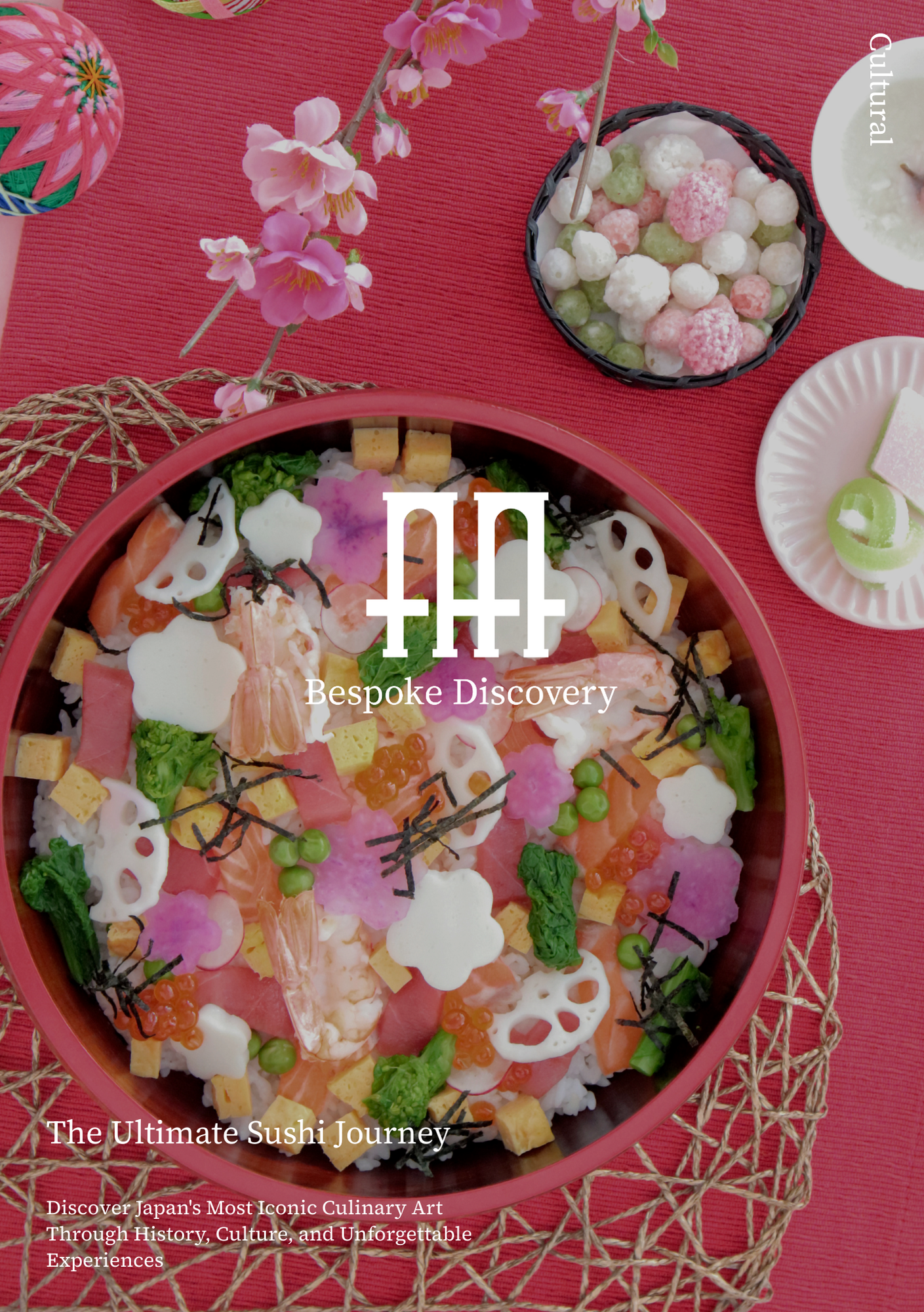
The Ultimate Sushi Journey
Food
Sushi
Discover Japan's sushi culture beyond the plate. This comprehensive guide takes you from Tokyo's historic fish markets to Michelin-starred counters, exploring regional traditions, seasonal ingredients, and the philosophy behind each piece of nigiri. Learn omakase etiquette, sustainable practices, and hands-on workshops.
Experiences You’ll Get from This Guide
Sushi master at intimate counter demonstrates centuries-old techniques. The chef-guest dialogue creates omakase experience unique to Japanese culture.
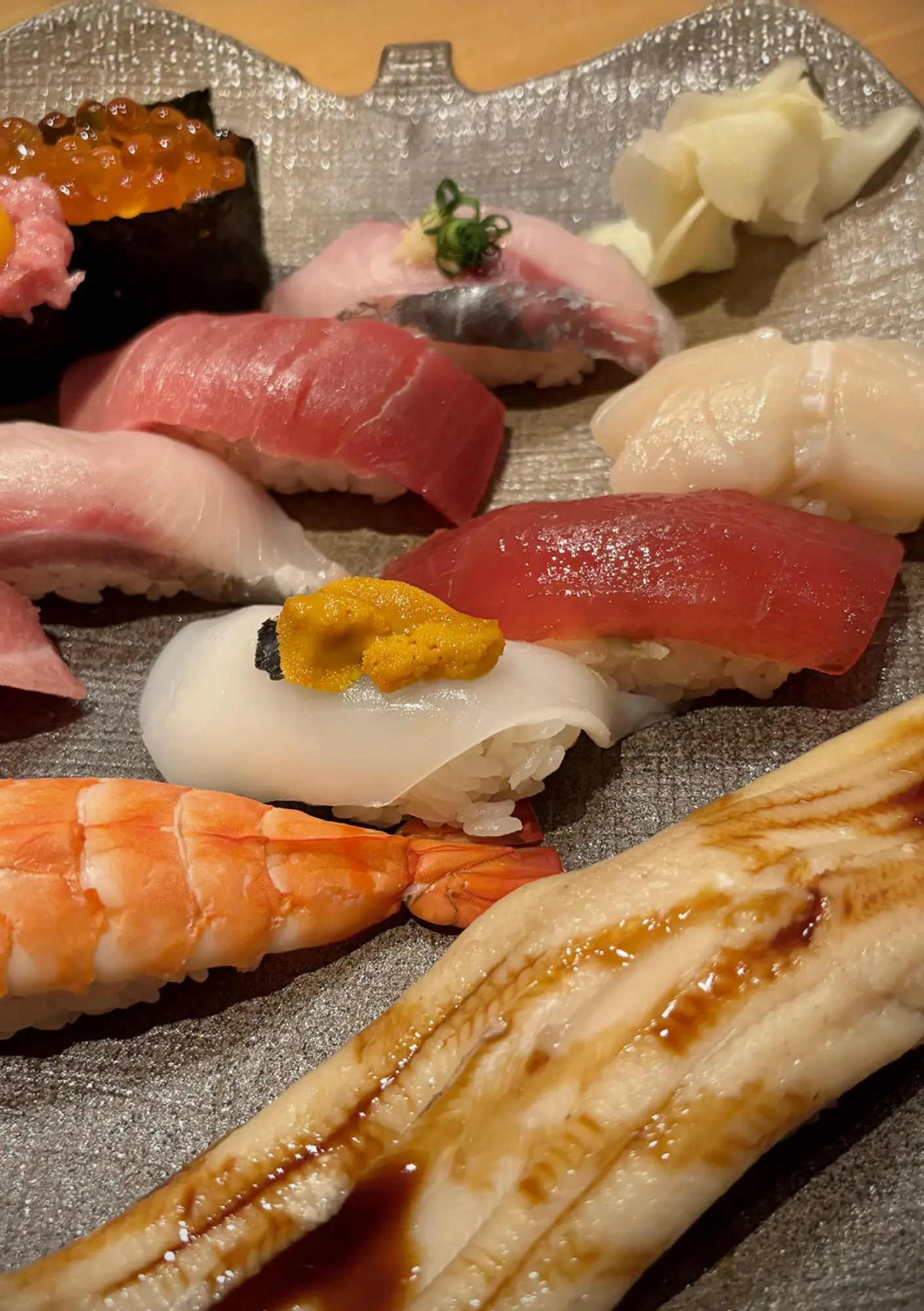
A Symphony of Seasonal Nigiri
Exquisite nigiri showcase peak seasonal ingredients—fatty tuna, uni, sweet shrimp, and anago eel. Each piece embodies chef mastery and Japanese culinary art.
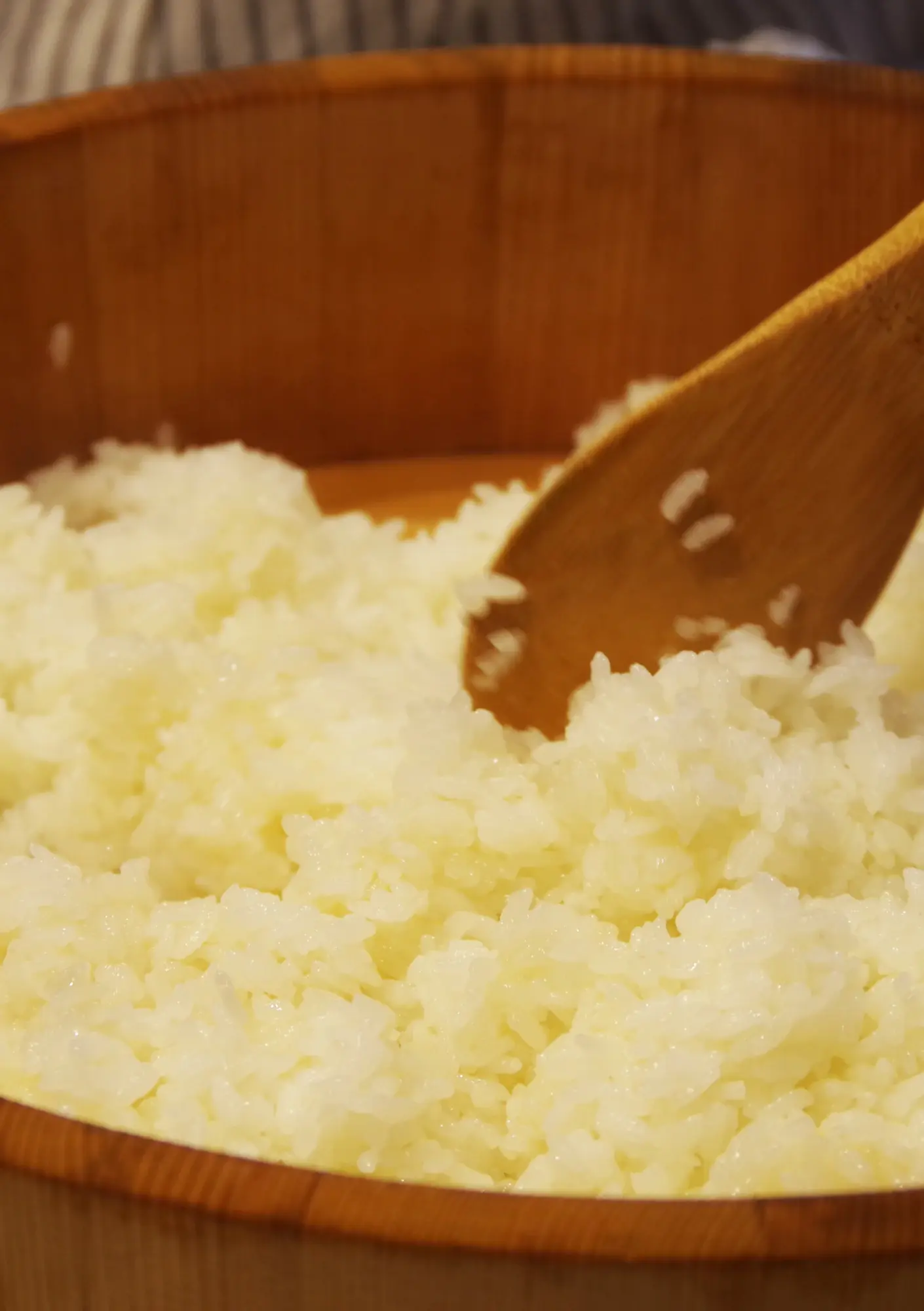
The Foundation: Perfectly Seasoned Shari Rice
Master-crafted sushi rice in traditional wooden bowl. Temperature-controlled vinegar seasoning creates the delicate balance essential to authentic nigiri.
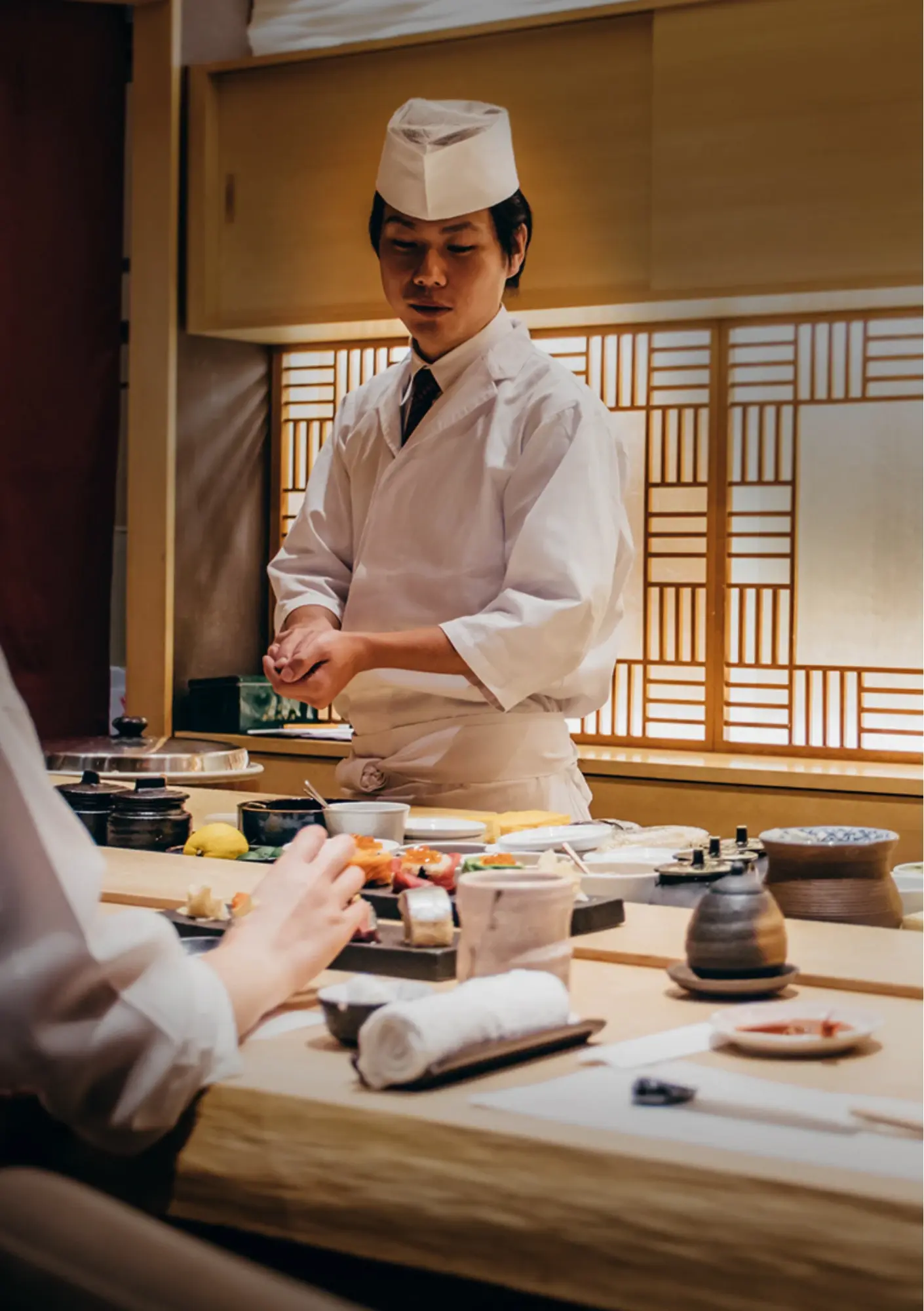
Years of Dedication Behind Every Piece
Walk beneath the iconic stained-glass arcade of Nishiki Market, where historic machiya shops blend seamlessly with modern sensibilities. This vibrant passageway embodies Kyoto's spirit—honoring the past while embracing the future.
Trusted Information
text text text text text text text text text text text text text text text text text text text text text text text text text text text text text text text text text text text text text text text text text.

tea ceremony master
Taro Yamada
Taro Yamad is an acclaimed Master of the Urasenke Tea Ceremony. He teaches the profound art of Chanoyu in Kyoto and shares the spirit of wabi-sabi globally through demonstrations and lectures.
tea ceremony master
Taro Yamada
Taro Yamad is an acclaimed Master of the Urasenke Tea Ceremony. He teaches the profound art of Chanoyu in Kyoto and shares the spirit of wabi-sabi globally through demonstrations and lectures.
tea ceremony master
Taro Yamada
Taro Yamad is an acclaimed Master of the Urasenke Tea Ceremony. He teaches the profound art of Chanoyu in Kyoto and shares the spirit of wabi-sabi globally through demonstrations and lectures.
Sneak Peek Inside the Guide
You can read the first few pages as a preview.
To read the full version, please register using the form.
To read the full version, please register using the form.
