

What distinguishes this guide is its refusal to separate beauty from meaning. The sections on shojin ryori and the artisan workshops of Fushimi were particularly striking—here, sustainability is not a contemporary correction but a centuries-old logic embedded in how food is prepared, how craft is inherited, how water is understood as terroir. The concept of ie reframed for me what it means to purchase something made by hand. This is not travel writing; it is cultural literacy, offered with precision and genuine respect for the stories that sustain these traditions.
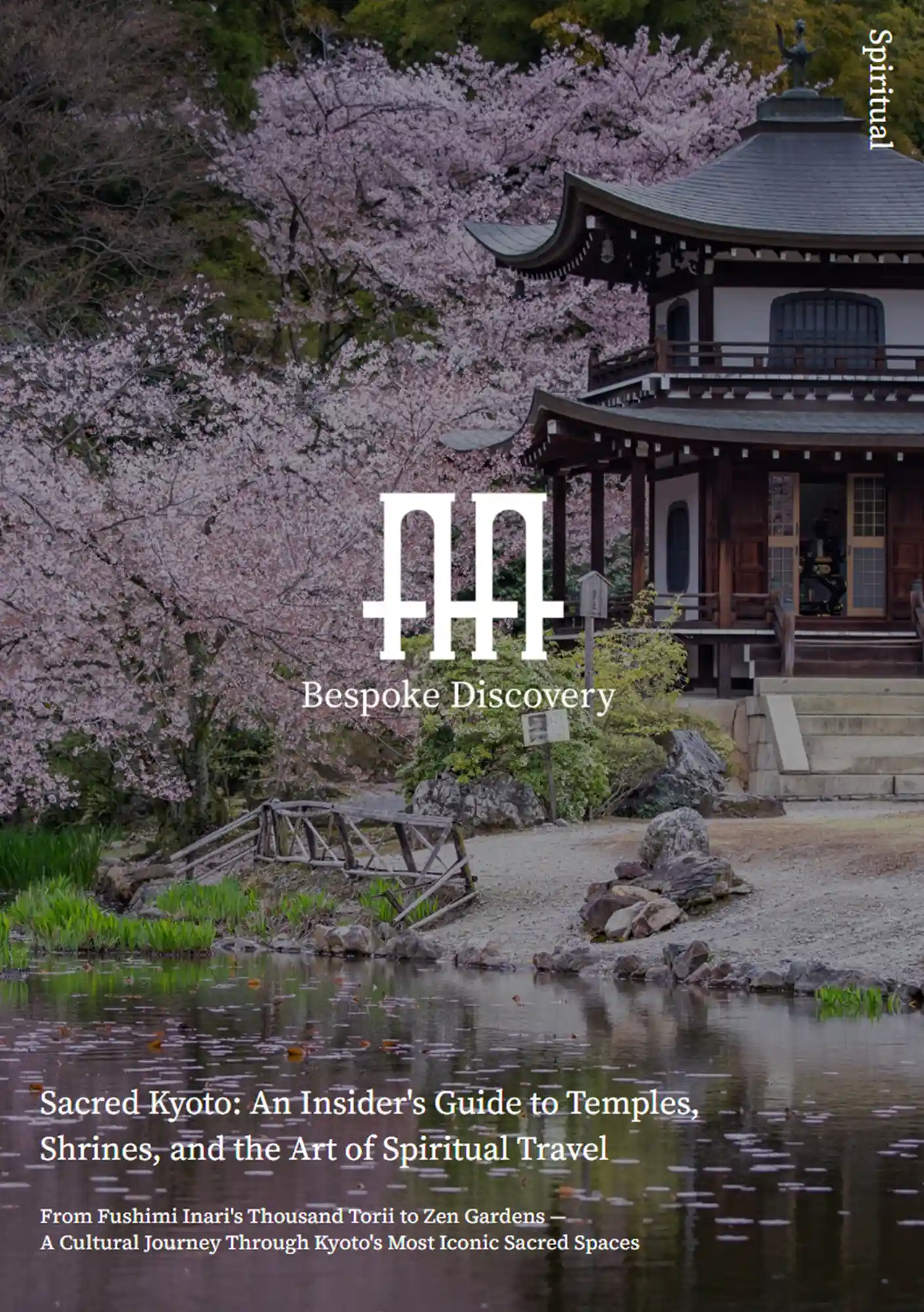
Sacred Kyoto: An Insider's Guide to Temples, Shrines, and the Art of Spiritual Travel
Shrine
Temple
Kyoto
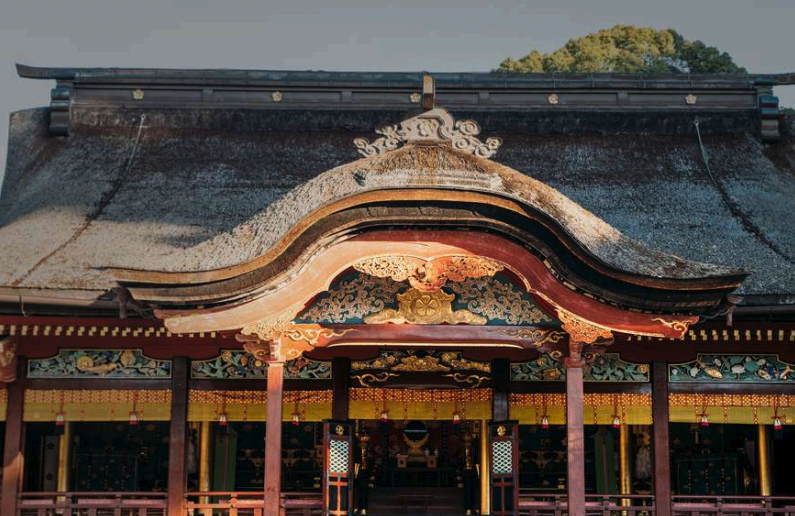
Kyoto's temples and shrines hold over a millennium of living culture—Zen gardens, vermilion torii, and sacred fox messengers. This guide decodes the philosophy behind Japan's most sacred city. From Fushimi Inari to goshuin culture and sustainable luxury, each chapter offers a deeper way to see.
Experiences You’ll Get from This Guide
Kyoto's temples and shrines speak a language of silence, seasonal change, and centuries of ritual. This guide gives travelers a framework for reading what they see—from the logic of a torii gate to the philosophy of a Zen garden—and for understanding why Kyoto, encountered on its own terms, is far more than a destination.
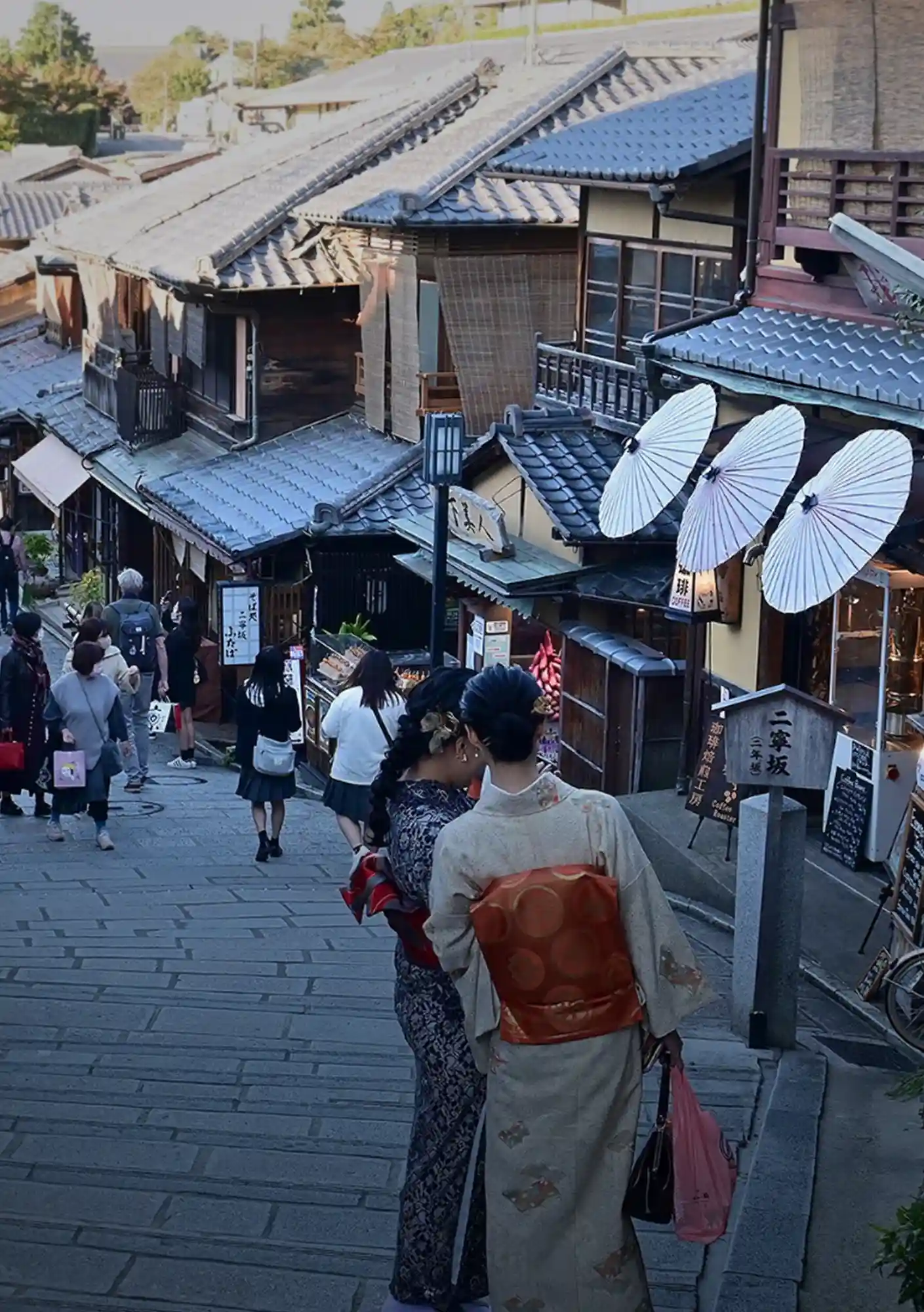
Where the Past Still Walks
Kyoto's historic lanes hold a quiet continuity. Here, tradition is not preserved behind glass—it is worn, walked through, and carried forward by those who live it.
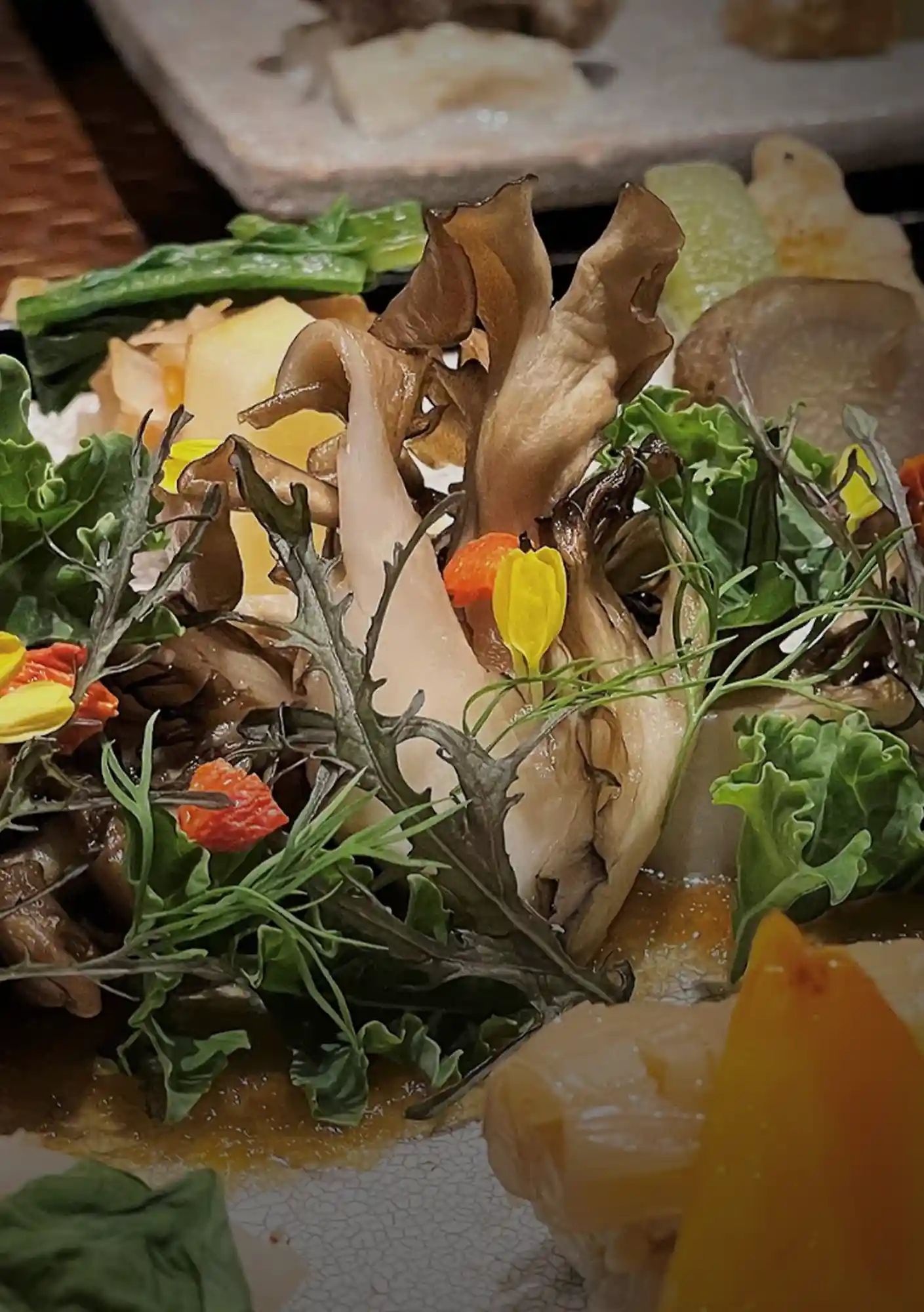
A Philosophy on the Plate
Kyoto's temple cuisine argues that restraint, applied with care, produces a richness that abundance cannot. Each ingredient is chosen for its season and the respect it is owed.
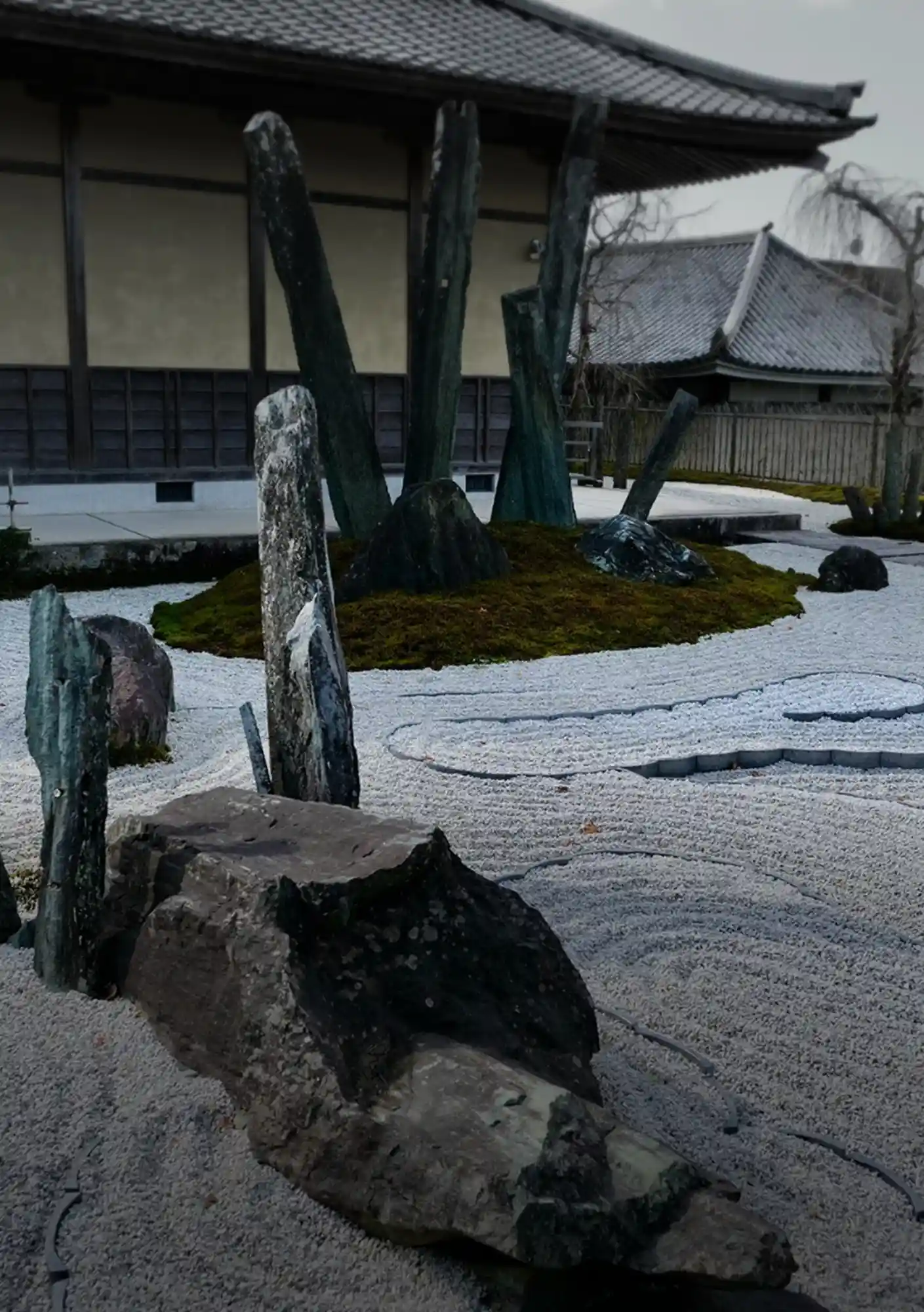
The Eloquence of Emptiness
In Kyoto's Zen gardens, absence speaks as clearly as presence. Raked gravel, stone, and silence form a space built not for looking, but for the thinking that only stillness allows.
Trusted Information
text text text text text text text text text text text text text text text text text text text text text text text text text text text text text text text text text text text text text text text text text.

tea ceremony master
Taro Yamada
Taro Yamad is an acclaimed Master of the Urasenke Tea Ceremony. He teaches the profound art of Chanoyu in Kyoto and shares the spirit of wabi-sabi globally through demonstrations and lectures.
tea ceremony master
Taro Yamada
Taro Yamad is an acclaimed Master of the Urasenke Tea Ceremony. He teaches the profound art of Chanoyu in Kyoto and shares the spirit of wabi-sabi globally through demonstrations and lectures.
tea ceremony master
Taro Yamada
Taro Yamad is an acclaimed Master of the Urasenke Tea Ceremony. He teaches the profound art of Chanoyu in Kyoto and shares the spirit of wabi-sabi globally through demonstrations and lectures.
Sneak Peek Inside the Guide
You can read the first few pages as a preview.
To read the full version, please register using the form.
To read the full version, please register using the form.
