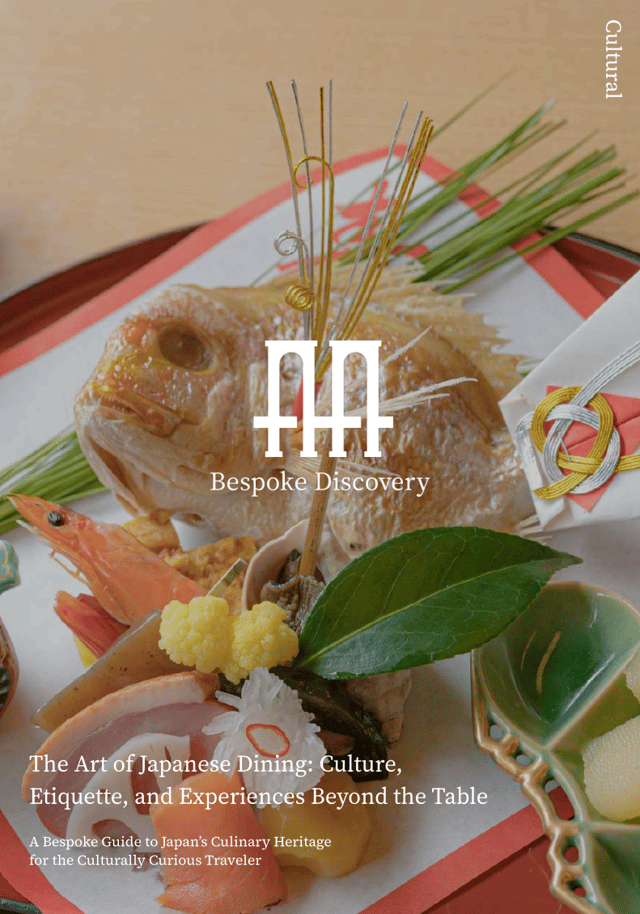
The Art of Japanese Dining: Culture, Etiquette, and Experiences Beyond the Table
Experiences You’ll Get from This Guide
This guide introduces you to the cultural, historical, and artistic depths of Japanese bonsai. From centuries-old masterpieces to modern expressions of design and sustainability, you’ll discover how this living art reflects Japan’s philosophy of beauty and time.
SeasonalSensibility and the Philosophyof Taste
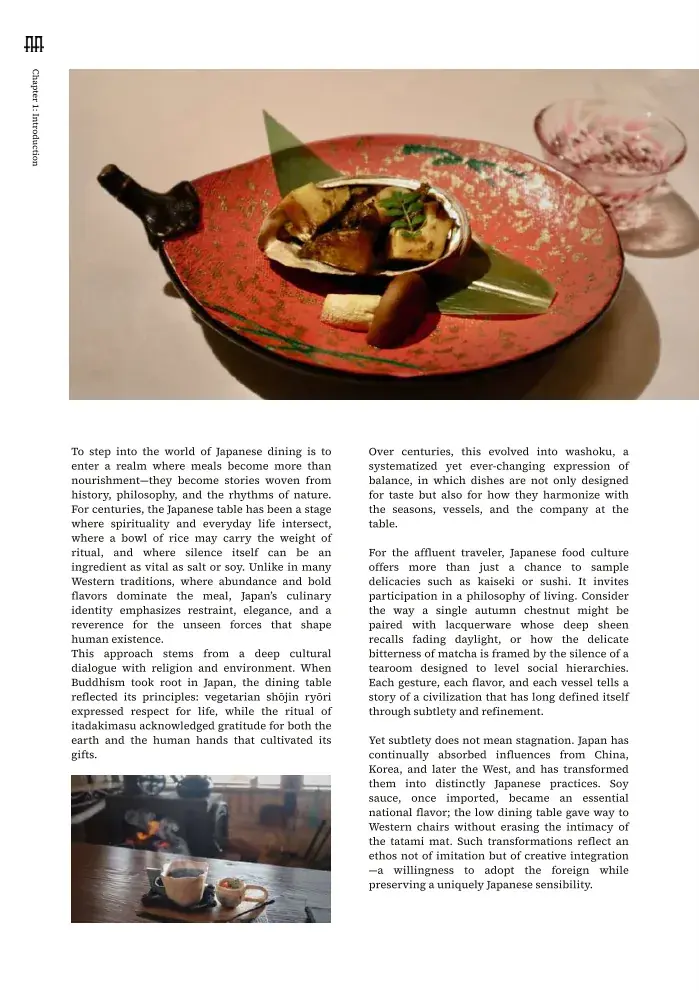
Discover how Japanese dining expresses seasonality, balance, and hospitality—from ichiju-sansai to shun—revealing a philosophy where food reflects time and care.
Etiquette as Cultural Expression
Explore how Japanese dining etiquette transforms every gesture—from chopsticks to tea ceremony—into an expression of respect, harmony, and cultural beauty.
The Philosophy Behind Japanese Cuisine
Discover how Japanese cuisine blends tradition, innovation, and gratitude—where every dish, season, and gesture reflects a way of life rooted in harmony and beauty.
Trusted Information
Testimonials
Discover what readers from around the world are saying about our guides. Each comment reflects a unique journey into the heart of Japanese culture — from refined traditions and craftsmanship to the quiet beauty found in everyday rituals.
This guide totally changed how I think about Japanese food! I had no idea meals in Japan could be so meaningful—every dish reflects the seasons, nature, and even silence. I loved learning about things like “itadakimasu” and how the plates themselves matter. It made me excited to visit Japan and try kaiseki or join a sushi class. It’s not just about tasting great food—it’s about understanding it. Now I really want to go and experience everything for myself!
This guide offered a serene, poetic view of Japanese dining. I was struck by the philosophy behind each gesture—the way meals mirror nature, time, and mindfulness. The concept of “mottainai” and the seasonal beauty of kaiseki felt deeply moving. Dining in Japan seems not about excess, but about grace and quiet refinement. It inspired me to think differently about food—not just as nourishment, but as a reflection of life itself.
This guide is both informative and inspiring. I gained new insight into Japanese food as a form of cultural expression—from the origins of shōjin ryōri to the seasonal design of kaiseki. The attention to detail, including tableware and etiquette, showed how values are built into every meal. I now see Japanese dining as a philosophy that blends art, history, and sustainability. It changed how I’ll approach food when I travel.
This guide offered a profound look at Japan’s culinary heritage. I was particularly drawn to how it connects craftsmanship, history, and sustainability in such a coherent way. Learning about the philosophy behind shōjin ryōri, the evolution of dining spaces, and the principle of mottainai gave me a richer perspective on Japanese food—not just as cuisine, but as cultural narrative. Every detail, from regional tableware to dining rituals, reflects a deep-rooted respect for nature and tradition. It’s an insightful and elegantly crafted guide that invites thoughtful engagement with Japan’s values.
Sneak Peek Inside the Guide
To read the full version, please register using the form.