Reading this Digital Guide reframed ikebana for me—not as a static tradition, but as a living philosophy that travels well. From Melbourne, I see its influence everywhere: in minimalist interiors, slow design cafés, and the growing focus on sustainability and mindfulness among younger creatives. What struck me most was how ikebana’s respect for impermanence and space is being reinterpreted globally—not diluted, but adapted. This guide beautifully traces the roots of that philosophy while showing why it resonates now, especially in cities like mine where Japanese aesthetics quietly shape how we live, design, and pause.
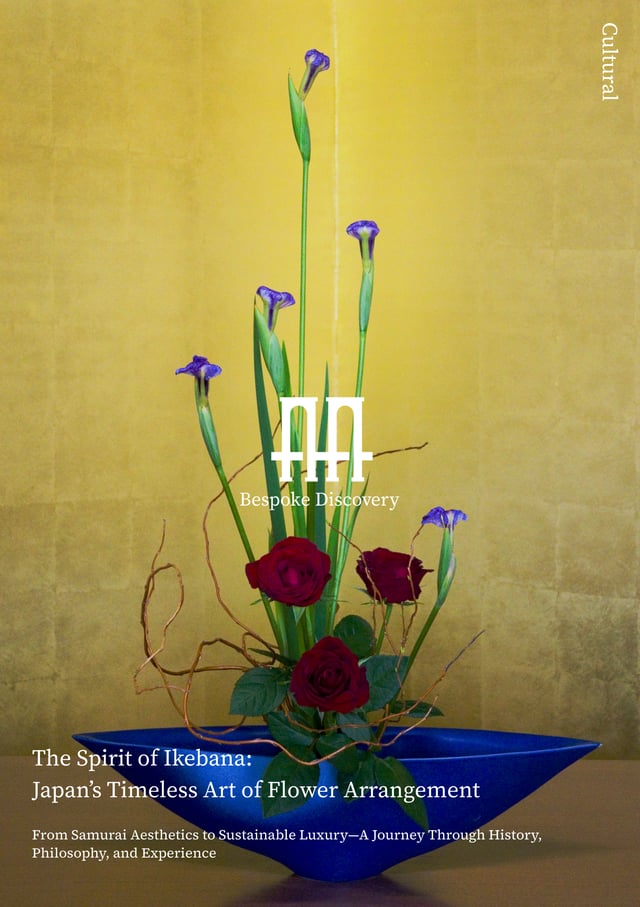
The Spirit of Ikebana: Japan’s Timeless Art of Flower Arrangement
Experiences You’ll Get from This Guide
Ikebana is more than flower arrangement—it is a living philosophy shaped by history, spirituality, and nature. This guide invites you to explore how space, silence, and seasonality express Japanese values, from samurai discipline to modern sustainable luxury, through the art of flowers.
The Spirit of Ikebana
More than decoration, ikebana is a dialogue with nature, space, and time. Discover the philosophy and history behind Japan’s timeless art of flowers.
Flowers and the Samurai Mind
Ikebana was a discipline of restraint and balance for the samurai. Through flowers, explore Japanese ideals of silence, order, and inner strength.
Ikebana and Sustainable Beauty
With fewer flowers and deeper meaning, ikebana reflects a sustainable worldview—honoring nature, impermanence, and mindful living.
Trusted Information
Testimonials
Discover what readers from around the world are saying about our guides. Each comment reflects a unique journey into the heart of Japanese culture — from refined traditions and craftsmanship to the quiet beauty found in everyday rituals.
This Digital Guide approaches Japanese culture with the same rigor one expects from serious culinary inquiry. Rather than isolating ikebana as an aesthetic curiosity, it situates the practice within a continuum of craftsmanship, historical discipline, and ethical restraint. I was particularly struck by how artisanal skill is framed not as virtuosity, but as responsibility—to season, material, and lineage. The historical narrative, from religious origins to contemporary reinterpretation, deepens the reader’s understanding of why sustainability in Japan is cultural before it is environmental. Like great cuisine, ikebana here becomes a cultural text: layered, contextual, and inseparable from the stories that shaped it.
Reading this Digital Guide quietly altered the way I see Japan’s everyday beauty. What once appeared minimal or decorative now reveals itself as deeply intentional—an expression of patience, humility, and respect for impermanence. Ikebana, in particular, emerged not as an art of flowers, but as a discipline of attention. I found myself slowing down, noticing space, silence, and what is deliberately left unsaid. The guide offered more than knowledge; it reshaped perception. It reminded me that true refinement lies not in abundance, but in restraint—and that spiritual value is often found in the smallest, most fleeting gestures.
Sneak Peek Inside the Guide
To read the full version, please register using the form.