background_Cultural

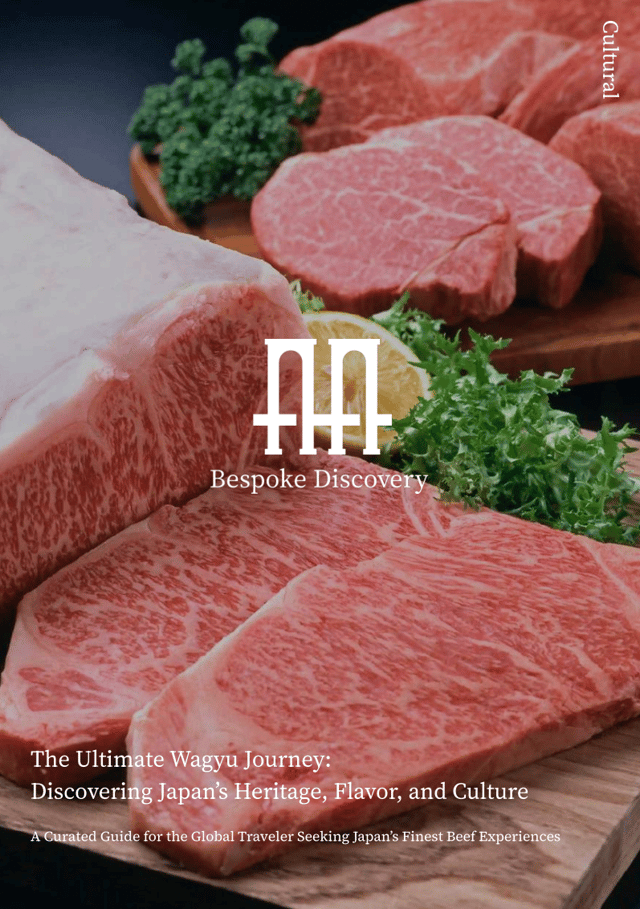
The Ultimate Wagyu Journey: Discovering Japans Heritage, Flavor, and Culture

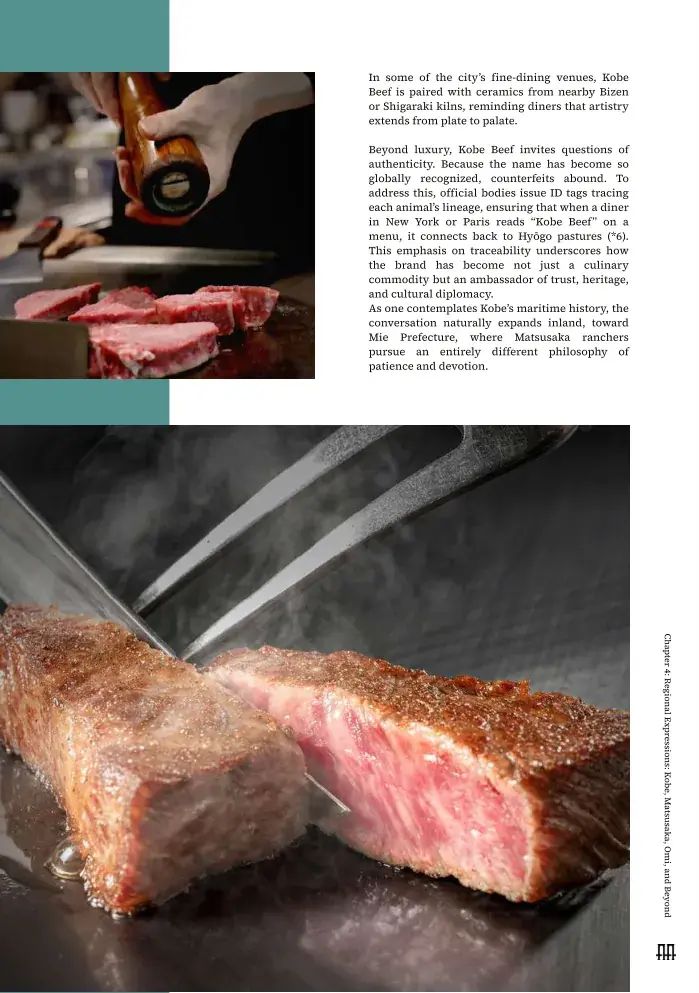
Wagyu Kobe Beef Food
This digital guide explores Wagyu not merely as premium beef, but as a cultural expression of Japan. From bloodlines and regional terroir to dining rituals, craftsmanship, and sustainability, it offers a deeper understanding of Wagyu through history, philosophy, and refined culinary experiences across Japan.
The Ultimate Wagyu Journey: Discovering Japans Heritage, Flavor, and Culture

Experiences You’ll Get from This Guide

Discover Wagyu as more than a luxury ingredient. This digital guide explores Japan’s iconic beef through history, craftsmanship, regional terroir, dining rituals, and sustainability—offering culturally curious travelers a deeper, more meaningful way to experience Wagyu in Japan.

Wagyu_01

Wagyu as Culture

Discover Wagyu beyond taste. This guide explores its history, bloodlines, regional diversity, dining styles, and sustainability as a living part of Japanese culture.

Wagyu_02

From Pastures to the Plate

Follow Wagyu’s journey from careful breeding and regional terroir to teppanyaki, kaiseki, and modern dining—revealing how tradition shapes every bite.

Wagyu_03

The Philosophy of Wagyu

More than premium beef, Wagyu reflects Japanese values of balance, craftsmanship, and respect for nature, explored through curated chapters and insights.

Trusted Information

text text text text text text text text text text text text text text text text text text text text text text text text text text text text text text text text text text text text text text text text text.
tea ceremony master
Taro Yamada
Taro Yamad is an acclaimed Master of the Urasenke Tea Ceremony. He teaches the profound art of Chanoyu in Kyoto and shares the spirit of wabi-sabi globally through demonstrations and lectures.
tea ceremony master
Taro Yamada
Taro Yamad is an acclaimed Master of the Urasenke Tea Ceremony. He teaches the profound art of Chanoyu in Kyoto and shares the spirit of wabi-sabi globally through demonstrations and lectures.
tea ceremony master
Taro Yamada
Taro Yamad is an acclaimed Master of the Urasenke Tea Ceremony. He teaches the profound art of Chanoyu in Kyoto and shares the spirit of wabi-sabi globally through demonstrations and lectures.

Testimonials

Discover what readers from around the world are saying about our guides. Each comment reflects a unique journey into the heart of Japanese culture — from refined traditions and craftsmanship to the quiet beauty found in everyday rituals.

What I appreciated most about this Digital Guide was its refusal to isolate flavor from meaning. Each chapter situates Wagyu within a wider cultural narrative—agriculture shaped by belief, dining shaped by aesthetics, and sustainability shaped by responsibility. The exploration of artisanship, from breeders to chefs, revealed a quiet rigor that contrasts sharply with industrial food systems I am used to. Rather than presenting Wagyu as indulgence, the guide frames it as a disciplined cultural expression. It changed how I think about eating: not as consumption, but as participation in a long, carefully stewarded story.

Alejandra Peral(Spain)

Reading this guide felt less like acquiring knowledge and more like entering a slow conversation with time. Wagyu emerges not as an object, but as a rhythm—of seasons, labor, and inherited judgment. I was struck by how seamlessly history and innovation coexist: ancient taboos, modern technology, and an enduring respect for life all folded into a single slice of beef. The writing treats food as philosophy, and dining as an aesthetic act shaped by silence, restraint, and care. It reminded me that true luxury lies not in excess, but in attention sustained across generations.

Damien Mory(Belgium)

This Digital Guide deepened my understanding of food as a cultural language. The research is meticulous, yet never academic for its own sake; each chapter builds toward a clearer picture of how Wagyu embodies history, place, and human intention. I was particularly drawn to how the guide connects on-the-ground experiences—farms, teppanyaki counters, regional kitchens—to broader cultural values. By the end, my perception of Wagyu had shifted from “premium beef” to a case study in how craftsmanship and sustainability can coexist. It left me more curious, and more deliberate, as a traveler.

James Lin (Australia)

This guide reframed Wagyu for me as a cultural system rather than a luxury ingredient. The chapters on bloodlines and grading revealed an almost archival approach to craftsmanship, where care is measured over generations, not seasons. What resonated most was the historical restraint surrounding meat in Japan and how that tension shaped Wagyu’s refinement. The sections on sustainability felt neither performative nor idealized, but deeply rooted in continuity—land, people, and practice evolving together. Reading this, I realized that to taste Wagyu thoughtfully is to engage with Japan’s ethics of care, not merely its cuisine.

Cloris Zeng (Australia)

Sneak Peek Inside the Guide

You can read the first few pages as a preview.
To read the full version, please register using the form.
Scroll
Preview
Scroll
Preview