

What shifted for me was not the information—it was the framework. I knew Japan valued restraint. I did not understand that restraint was a complete philosophy: ma as designed silence, ichiju-sansai as nutritional logic, itadakimasu as daily ethics. This guide made the familiar newly legible. Reading it before my trip changed how I sat at a counter, how I listened to a chef, how I noticed the weight of the chopsticks. That quality of attention—unrewarded, expected as a matter of course—is omotenashi. I returned home a slower eater. That is not a small thing.

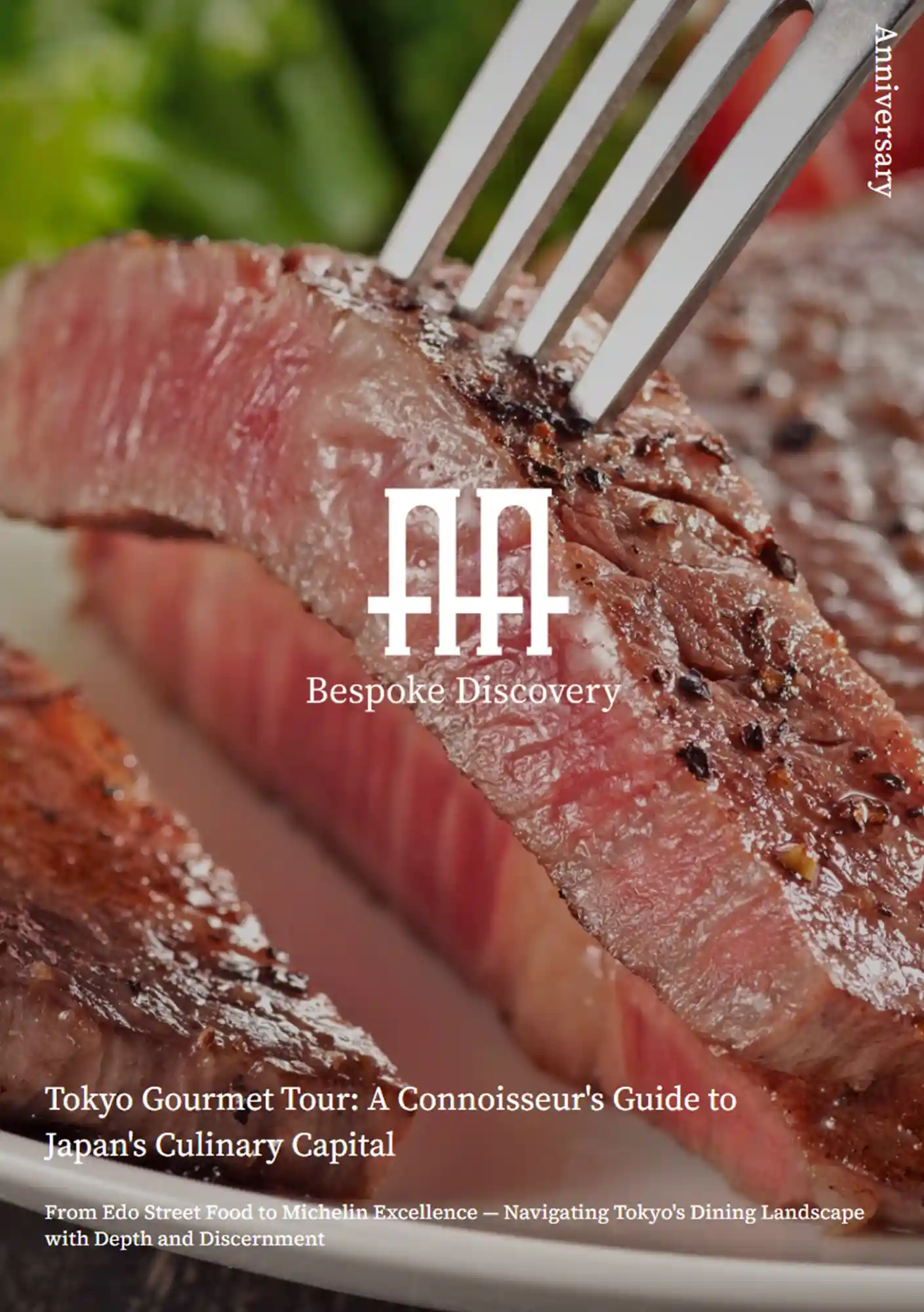
Tokyo Gourmet Tour: A Connoisseur's Guide to Japan's Culinary Capital
Kanto
Sushi
Beef
Tokyo holds more Michelin stars than any other city—but what makes it extraordinary goes deeper than accolades. This guide traces the full culinary arc: from dawn rituals at Tsukiji and Toyosu to omakase and kaiseki. Each chapter decodes the philosophy behind the plate—washoku, shun, ma—turning every meal into a genuine cultural encounter worth savoring.
Experiences You’ll Get from This Guide
Tokyo does not just feed you—it teaches you. From pre-dawn tuna auctions at Toyosu to a kaiseki counter in Ginza, every meal in this city carries centuries of philosophy, craft, and seasonal logic. This guide is your framework: not a restaurant checklist, but a way of understanding what you are tasting and why every bite in Tokyo means more than it appears.
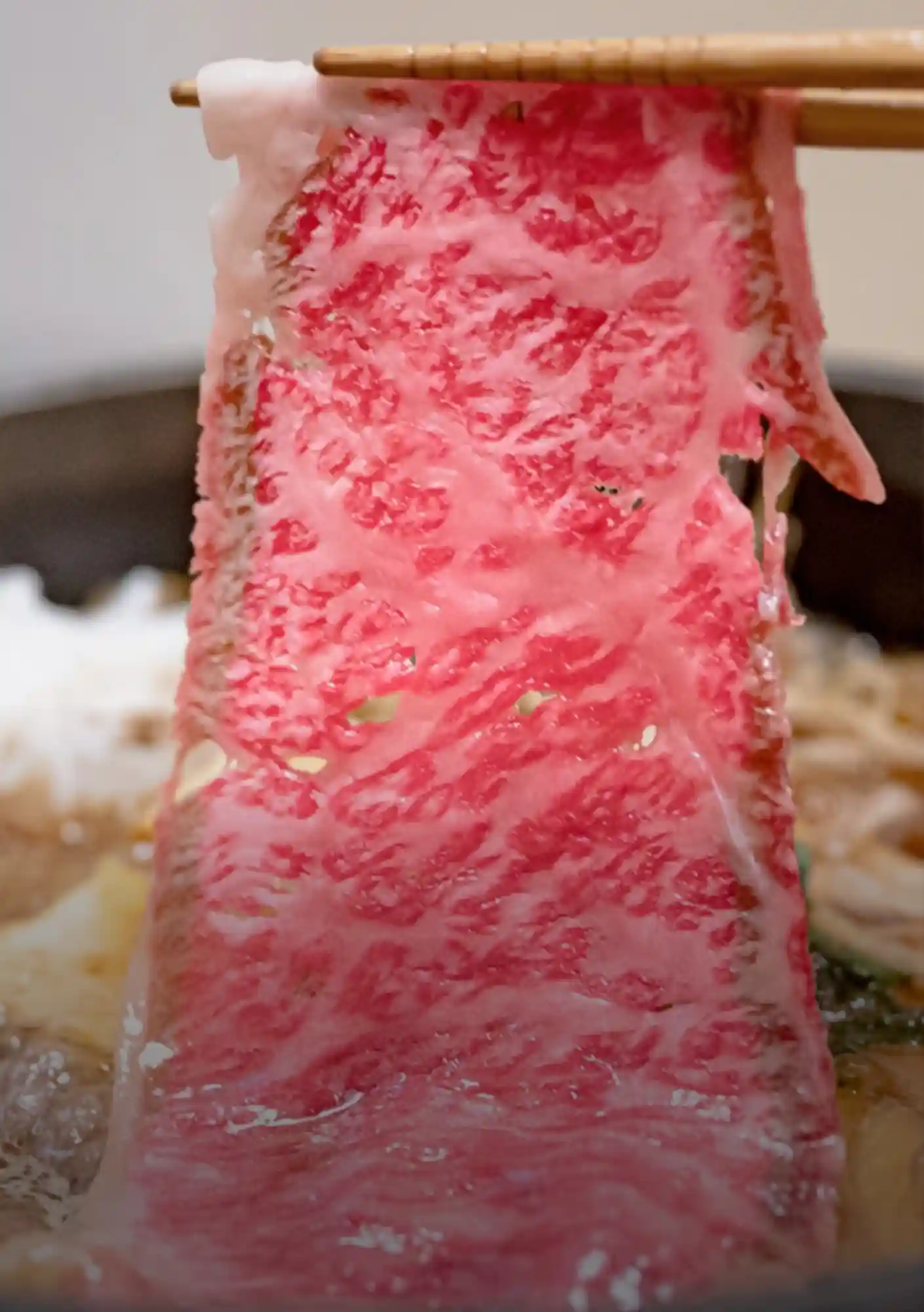
The Art of Wagyu — Japan's Masterpiece of Meat
Wagyu is centuries of breeding and precision on a plate. Oleic-acid-rich marbling melts at body temperature, releasing umami that lean beef cannot replicate. Tokyo is where this tradition finds its most refined expression.
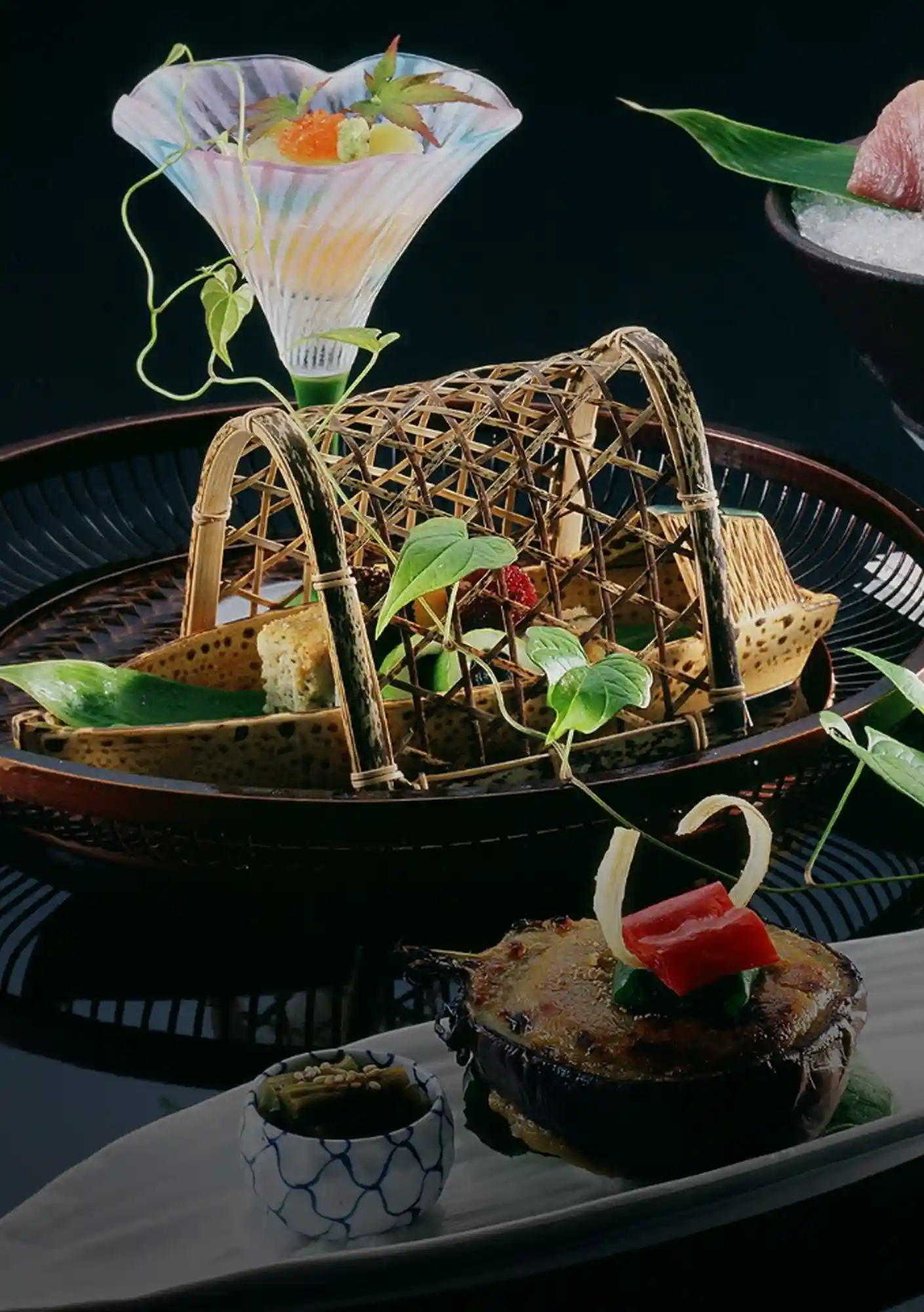
Omakase & Kaiseki — When a Meal Becomes a Ceremony
At Tokyo's highest dining level, a plate is never merely food. Seasonal ingredients, handcrafted vessels, and the structured silence of ma combine into an experience where every element has been considered. Washoku as total art.
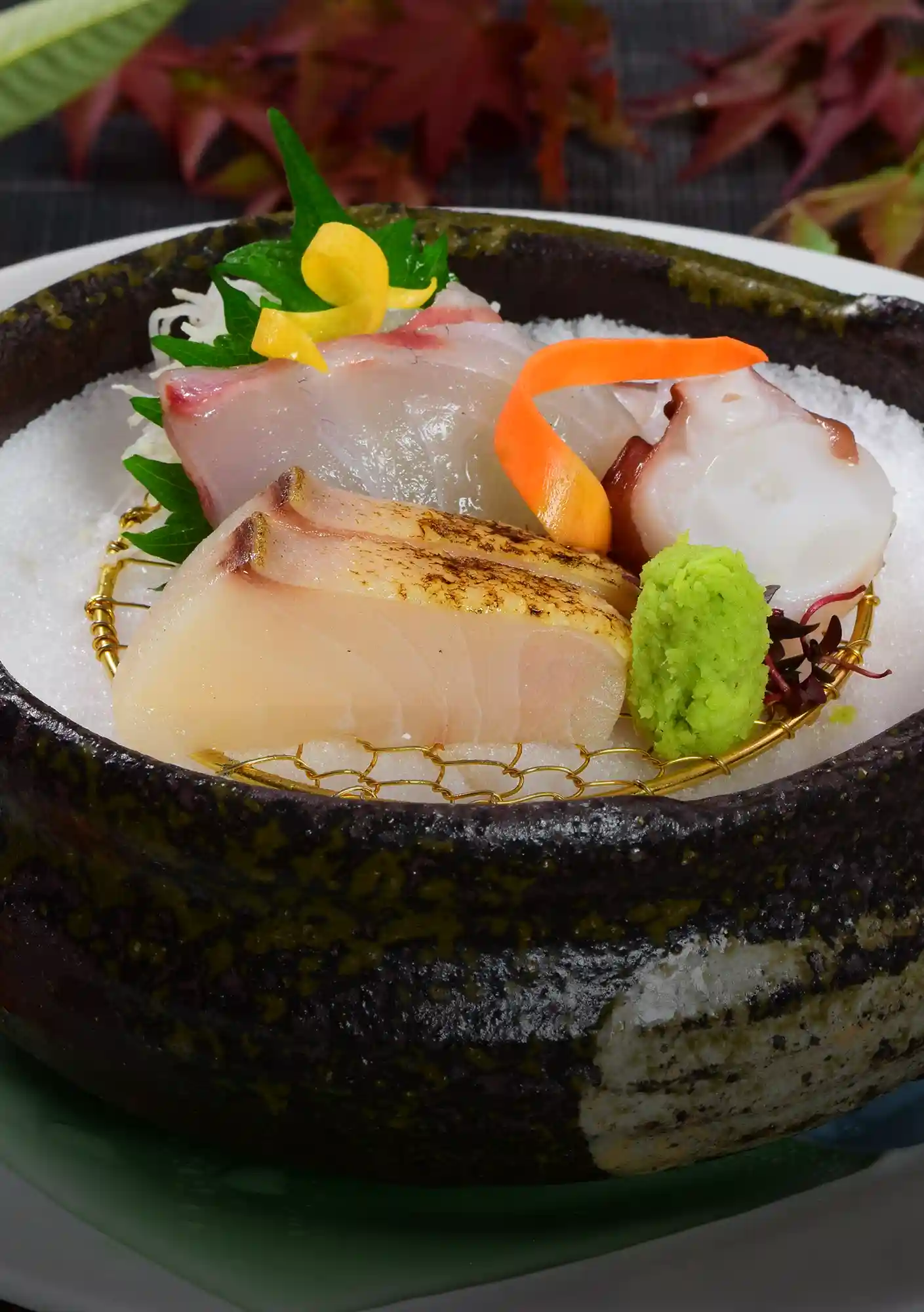
Seasonality on Ice — The Language of Tokyo Sashimi
In Tokyo, sashimi is an argument about time. Shun—peak seasonality—determines what is served, in what vessel, against what garnish. Each iced arrangement is a precise statement about the season's finest and most fleeting moment.
Trusted Information
text text text text text text text text text text text text text text text text text text text text text text text text text text text text text text text text text text text text text text text text text.

tea ceremony master
Taro Yamada
Taro Yamad is an acclaimed Master of the Urasenke Tea Ceremony. He teaches the profound art of Chanoyu in Kyoto and shares the spirit of wabi-sabi globally through demonstrations and lectures.
tea ceremony master
Taro Yamada
Taro Yamad is an acclaimed Master of the Urasenke Tea Ceremony. He teaches the profound art of Chanoyu in Kyoto and shares the spirit of wabi-sabi globally through demonstrations and lectures.
tea ceremony master
Taro Yamada
Taro Yamad is an acclaimed Master of the Urasenke Tea Ceremony. He teaches the profound art of Chanoyu in Kyoto and shares the spirit of wabi-sabi globally through demonstrations and lectures.
Sneak Peek Inside the Guide
You can read the first few pages as a preview.
To read the full version, please register using the form.
To read the full version, please register using the form.
